2025 Top 10 Farm Equipment Innovations Transforming Agriculture

As we look forward to the advancements in farm equipment agriculture by 2025, the transformation of farming practices becomes increasingly evident. Innovative technologies are not only enhancing productivity but also reshaping the fundamental ways in which farmers operate their businesses. These innovations promise to streamline processes, reduce labor costs, and improve the overall efficiency of agricultural production, meeting the growing global demand for food in a sustainable manner.

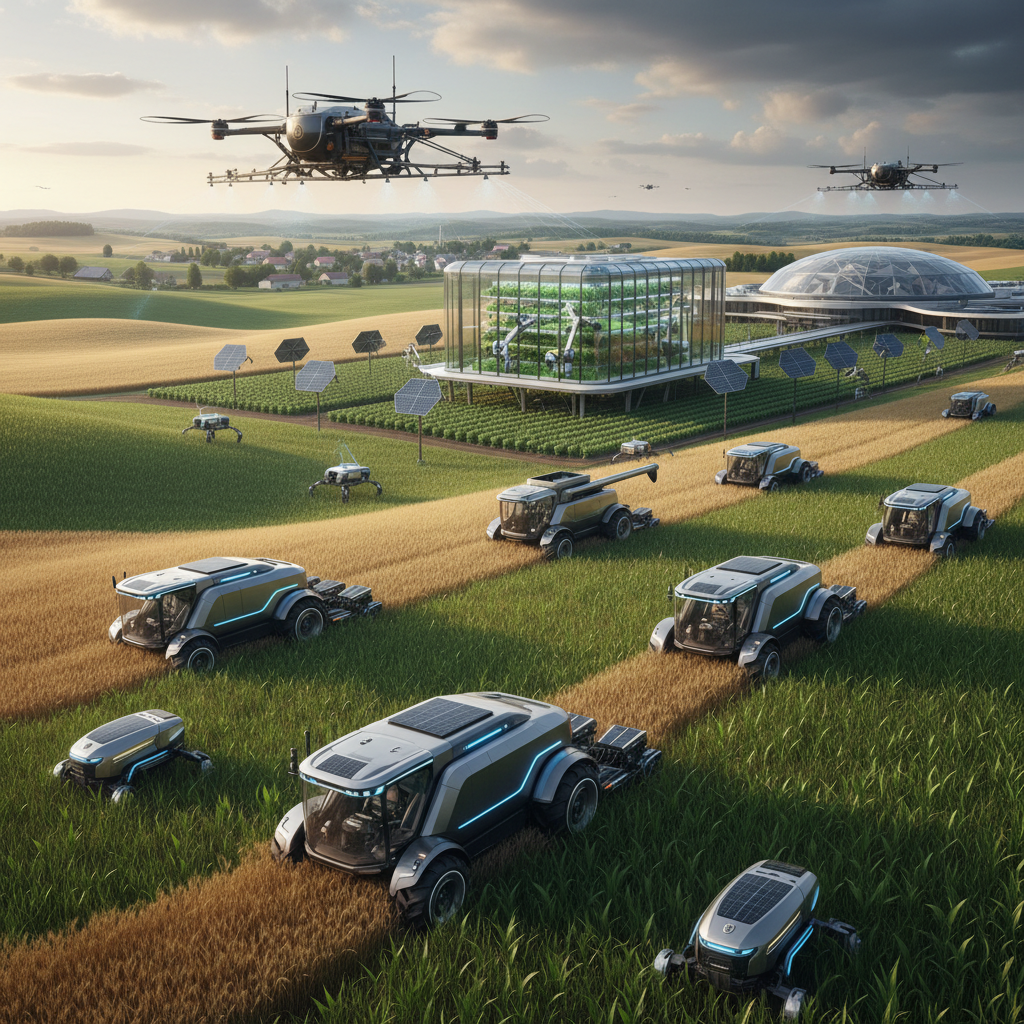
In this article, we will explore the top 10 farm equipment innovations that are set to revolutionize the agriculture sector. From autonomous machinery to precision farming tools, each innovation is designed to address the unique challenges faced by modern farmers. By focusing on these advancements, we aim to highlight the critical role that farm equipment agriculture plays in driving progress and ensuring food security for future generations. As we delve into these groundbreaking technologies, it will become clear how they are not only enhancing efficiency but also paving the way for a more sustainable and resilient agricultural landscape.
2025 Top 10 Farm Equipment Innovations Transforming Agriculture

The Rise of Autonomous Tractors: Enhancing Efficiency and Precision in Fields

2025 Top 10 Farm Equipment Innovations Transforming Agriculture

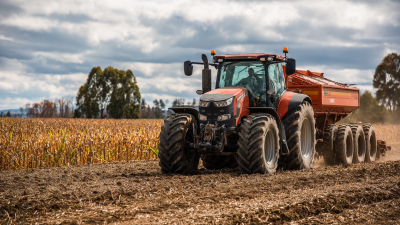
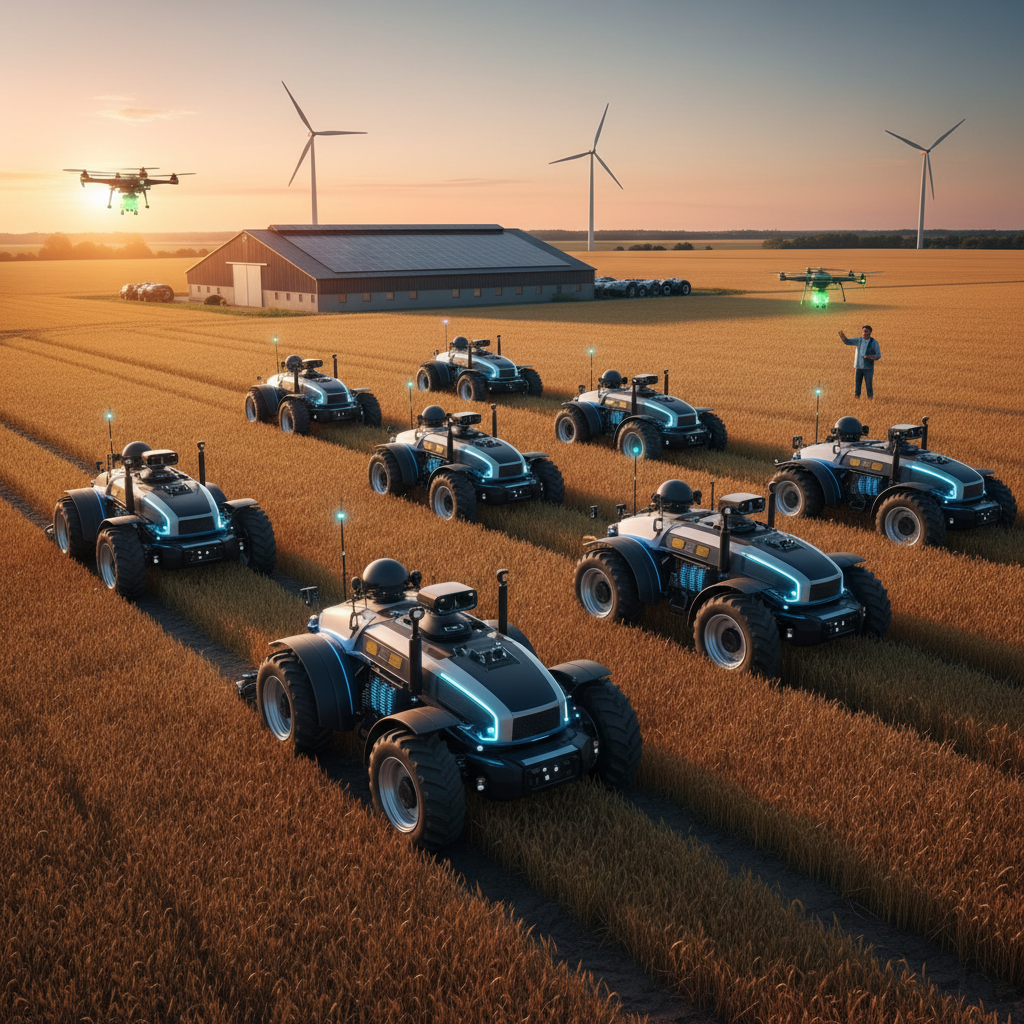
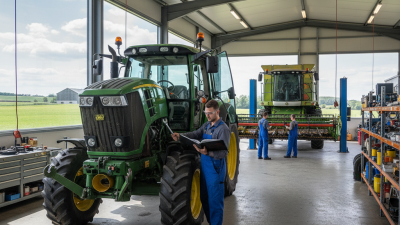
The advancement of technology in agriculture has ushered in a new era, with autonomous tractors at the forefront of this transformation. These cutting-edge machines are designed to operate without human intervention, utilizing sophisticated sensors and AI-driven algorithms to enhance efficiency in the field. Farmers are witnessing a significant reduction in labor costs and an increase in productivity, as these tractors can work around the clock, performing tasks such as planting, harvesting, and monitoring crop health with remarkable precision.

Autonomous tractors also contribute to sustainable farming practices. Equipped with GPS and data analytics, they optimize the use of resources by ensuring that seeds, fertilizers, and water are applied at the right rates and times. This targeted approach minimizes waste and mitigates the environmental impact of conventional farming methods. As more farmers adopt these innovations, the agricultural landscape is set to become more efficient and environmentally friendly, aligning with the global push towards sustainable food production.
Revolutionizing Crop Management: Smart Sensors and Real-Time Data Analysis

In the ever-evolving landscape of agriculture, the integration of smart sensors and real-time data analysis is revolutionizing crop management. These innovations enable farmers to monitor their fields with unprecedented precision, providing valuable insights into soil health, moisture levels, and crop conditions. By harnessing data collected from various sensors, farmers can make informed decisions regarding irrigation, fertilization, and pest control, significantly improving yields and resource efficiency.

Moreover, the use of real-time data analysis allows for timely interventions that can mitigate losses caused by disease or adverse weather conditions. For instance, if sensors detect an anomaly in temperature or humidity that could affect crop health, farmers can respond swiftly to implement protective measures. This proactive approach not only enhances productivity but also promotes sustainable farming practices, ensuring that resources are used judiciously while minimizing the environmental impact.

As these technologies continue to advance, their role in transforming agriculture will only grow, paving the way for a more efficient and resilient agricultural system.

Sustainable Farming Solutions: Innovations in Renewable Energy Usage

The agricultural landscape is undergoing a significant transformation, with a strong emphasis on sustainable farming solutions and innovative renewable energy usage. In 2025, farmers are increasingly turning to solar power systems, harnessing sunlight to power irrigation systems and farm equipment. This shift not only reduces reliance on fossil fuels but also cuts operational costs, enabling farmers to invest more in sustainable practices and technology.

Additionally, advancements in wind energy are becoming integral to modern farming operations. Small-scale wind turbines are being installed on farms to generate electricity, providing a consistent and renewable energy source. This innovation allows farmers to become more self-sufficient, helping to lower carbon footprints and enhance the resilience of agricultural operations. By adopting these renewable energy solutions, farmers are not just optimizing their production but are actively contributing to a more sustainable future for agriculture.

2025 Top 10 Farm Equipment Innovations Transforming Agriculture

The Impact of AI-Driven Analytics on Yield Prediction and Decision Making

The integration of AI-driven analytics in agriculture is revolutionizing yield prediction and decision-making processes. Precision farming techniques are at the forefront, enabling farmers to utilize real-time data analytics for enhanced productivity. By harnessing machine learning, agricultural stakeholders can analyze vast amounts of data, leading to more accurate forecasts. This empowers farmers to make informed decisions regarding crop management and resource allocation, ultimately enhancing yield efficiency and sustainability.

Moreover, the impact of AI on agriculture extends to climate resilience. The increasing urgency of climate change has prompted the adoption of innovative strategies to bolster system resilience. AI technologies facilitate predictive modeling that assesses environmental variables, allowing farmers to adapt their practices proactively. This adaptability is crucial in mitigating the adverse effects of climate fluctuations, positioning AI as a pivotal tool in modern agricultural practices. Through these advancements, the agricultural sector is not just improving yield outputs but also aligning itself with sustainability goals in the face of global challenges.

2025 Top 10 Farm Equipment Innovations Transforming Agriculture

Rank Innovation Description Impact on Yield Prediction Decision Making Enhancement
1 AI-Driven Soil Analysis Utilizes machine learning to analyze soil health and nutrient levels. Improves accuracy of yield forecasts based on soil conditions. Facilitates targeted nutrient management decisions.
2 Precision Irrigation Systems Smart irrigation technology that optimizes water use. Enhances crop yield predictions by maintaining optimal moisture levels. Allows for timely irrigation adjustments based on weather conditions.
3 Drone Crop Monitoring Drones collect data on crop health through aerial imagery. Provides real-time data for predicting crop yields. Enables rapid response to pest and disease threats.
4 Automated Planting Systems Robotic technology for precise seed placement. Maximizes planting efficiency, leading to better yield outcomes. Helps in optimizing planting schedules based on predictions.
5 Smart Fertilizer Application Sensors and AI to apply fertilizers more efficiently. Improves forecast models by adjusting for nutrient uptake rates. Supports data-driven decisions for nutrient application timing.
6 Blockchain for Supply Chain Transparency Ensures traceability and transparency in the agricultural supply chain. Enhances trust in yield data accuracy. Facilitates better marketing strategies based on real-time data.
7 AI-Powered Pest Prediction Predicts pest outbreaks through data analytics. Allows farmers to anticipate and adapt their yield forecasts accordingly. Improves real-time pest control decisions.
8 Climate Adaptive Farming Adjusts farming practices based on climate data. Enhances yield predictions in changing climatic conditions. Supports informed decisions in crop selection and planting times.
9 Remote Sensing Technology Collects data on crop conditions remotely. Provides insights for more accurate yield estimates. Aids in strategic planning for crop management.
10 Vertical Farming Technologies Innovations enabling farming in urban settings. Offers alternative yield predictions for urban farmers. Provides data for urban agricultural decision-making.

Next-Gen Irrigation Systems: Water Conservation Technologies for Modern Farms

2025 Top 10 Farm Equipment Innovations Transforming Agriculture

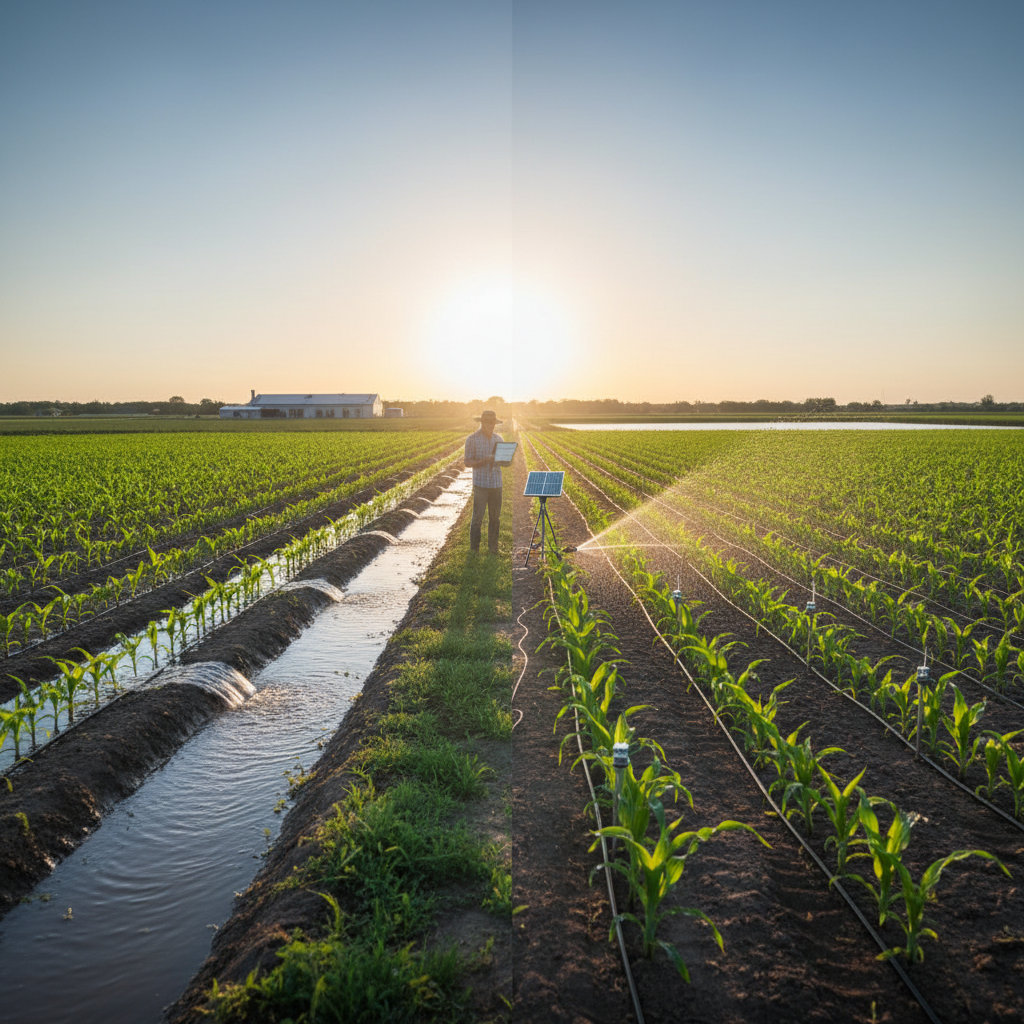
The evolution of irrigation systems is crucial for sustainable agriculture in the face of increasing water scarcity. According to the USDA's Economic Research Service, agriculture accounts for approximately 80% of the United States' freshwater consumption. Next-generation irrigation technologies, such as drip and smart irrigation systems, are emerging to address these challenges. Drip irrigation can deliver water directly to the plant roots, reducing water usage by up to 50% compared to traditional methods. Moreover, the integration of sensors and automated controls allows farmers to monitor soil moisture levels in real time, ensuring more efficient water application.

In addition to traditional methods, advanced water conservation technologies, such as soil moisture sensors and weather-based irrigation controllers, are becoming standard in modern farms. A report from the World Bank indicates that implementing precision irrigation can increase crop yields by up to 30%. By utilizing these innovations, farmers can not only conserve water but also enhance productivity and sustainability. As the agricultural sector faces the dual pressures of climate change and resource scarcity, incorporating next-gen irrigation systems will be essential for maintaining efficient and environmental-friendly farming practices.