How to Choose the Right Agricultural Equipment for Your Farming Needs
Choosing the right agricultural equipment is vital for optimizing productivity and ensuring the sustainability of farming operations. With the vast array of agric equipment available on the market, farmers face the challenge of selecting tools and machinery that cater to their specific needs. Whether you are managing a large-scale farm or a smaller plot, the right equipment can greatly impact yield, efficiency, and operational costs.
When considering agric equipment, it is essential to assess factors such as crop type, the scale of production, and the technological requirements of your farming practices. Understanding the unique demands of your agricultural environment can guide you in making informed decisions. Furthermore, evaluating the available technologies, such as precision agriculture tools or sustainable farming machinery, can enhance productivity while minimizing environmental impact.
Ultimately, making an informed choice about agric equipment not only leads to a more efficient farming operation but also paves the way towards innovation and sustainability in the agricultural industry. By carefully analyzing your farming needs and available equipment options, you can equip your farm for success in an ever-evolving landscape.
Understanding Your Farming Goals and Needs
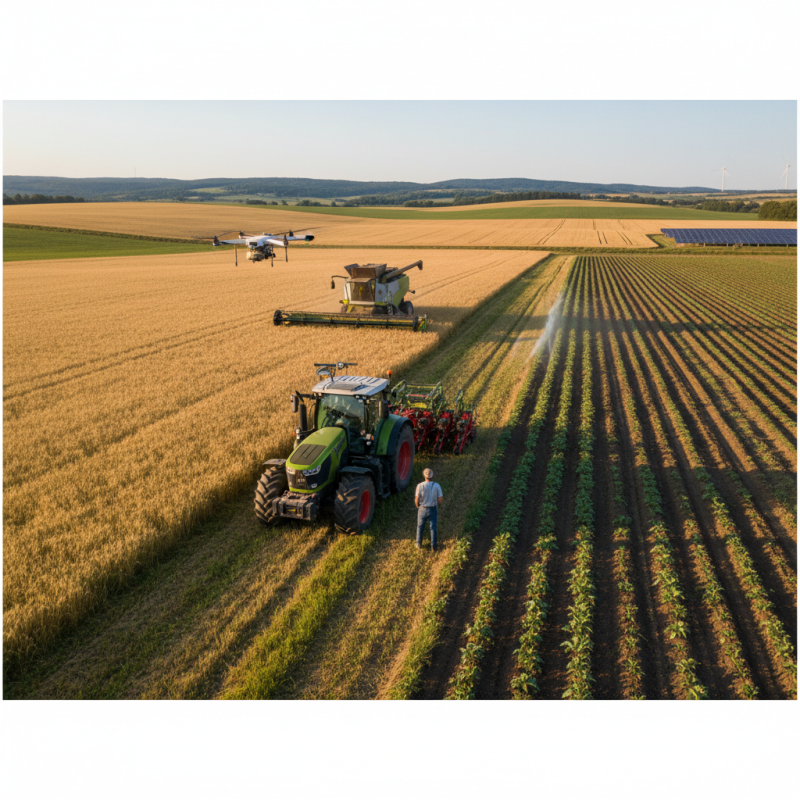
Understanding your farming goals and needs is crucial when choosing the right agricultural equipment. Identifying what you hope to achieve on your farm will guide your decisions about what equipment is necessary. For instance, whether you are focused on increasing crop yields, enhancing livestock management, or improving soil health will dictate the type of machinery you invest in. Are you aiming for small-scale organic farming, or are you looking to expand into large-scale operations? Each goal brings specific requirements, so take the time to clarify your objectives.
Tips: Consider conducting a needs assessment by evaluating your current operations and identifying areas of improvement. List the tasks you perform daily and any challenges you face. This will help you prioritize which equipment can save time, reduce labor costs, and increase efficiency. Additionally, think about the long-term goals of your farm. Investing in versatile and durable equipment that can adapt to changing agricultural practices will provide better value over time.
Understanding the specific conditions of your land and climate is also essential. Different environments may require different equipment to optimize productivity. For example, if you're farming in rocky soil, you might need specialized tillage equipment that can handle tough terrain. Assessing your land’s unique characteristics will ensure you select tools that complement your natural resources, enhancing sustainability and productivity in the long run.
Assessing Soil Type and Crop Selection
When selecting agricultural equipment, one of the most critical factors to consider is the type of soil on your farm. Different soils possess unique characteristics that influence not only the choice of crops but also the suitable equipment for cultivation. For instance, sandy soils drain quickly and can require machinery that effectively manages water and nutrient retention. In contrast, clay soils, which retain moisture, may necessitate equipment that minimizes soil compaction and enhances aeration. Understanding your soil type helps in selecting the proper tools and machinery, ultimately improving crop yield and soil health.
Equally important is the selection of crops that align with both soil type and available equipment. Certain crops thrive better in specific soil conditions; therefore, it’s essential to match your equipment capabilities with the agronomic needs of your chosen crops. For example, if you are considering root vegetables, you'll need specialized tillage equipment that ensures minimal disturbance while promoting healthy root growth. Assessing factors such as soil fertility, pH levels, and drainage can guide farmers in making informed decisions about crop selection. By carefully considering both soil type and suitable crops, farmers can optimize their equipment investments and enhance overall farming efficiency and productivity.
How to Choose the Right Agricultural Equipment for Your Farming Needs
| Soil Type |
Recommended Equipment |
Suitable Crops |
Notes |
| Clay Soil |
Plow, Disc Harrow |
Corn, Soybeans |
Requires careful management due to water retention. |
| Sandy Soil |
Cultivator, Seeder |
Carrots, Onions |
Good drainage; needs frequent watering. |
| Loam Soil |
Rotary Tiller, Planter |
Vegetables, Small Grains |
Ideal for a variety of crops. |
| Silty Soil |
Subsoiler, Seed Drill |
Cabbage, Lettuce |
Nutrient-rich but can compact. |
| Peaty Soil |
Moldboard Plow, Cultivator |
Potatoes, Berries |
High in organic matter; may need drainage improvements. |
Evaluating Different Types of Agricultural Equipment
When evaluating different types of agricultural equipment, it's important to consider the specific needs of your farming operation. According to the 2022 Agricultural Equipment Market report, the global agricultural equipment market was valued at approximately $166 billion and is projected to grow at a compound annual growth rate (CAGR) of 5.5% through 2028. This growth is largely driven by advancements in precision agriculture technologies and an increased focus on sustainable farming practices.
Farmers must assess the types of equipment that align with their operational goals. Common categories include tractors, tillers, harvesters, and irrigation systems. For instance, a study from the American Society of Agricultural and Biological Engineers indicates that properly calibrated and maintained tractors can improve operational efficiency by up to 20%. Furthermore, investing in modern irrigation technologies can help reduce water usage by as much as 40%, a critical factor as water scarcity becomes an increasingly pressing concern in agriculture.
In addition to function, durability and support services should also play a vital role in the decision-making process. A survey conducted by the Association of Equipment Manufacturers found that 78% of farmers prioritize equipment reliability, as machinery downtime can significantly impact crop yield and profitability. Ultimately, thorough evaluation and a clear understanding of how various types of equipment can enhance productivity will empower farmers to make informed decisions tailored to their unique needs.
How to Choose the Right Agricultural Equipment for Your Farming Needs
This chart illustrates the cost of different types of agricultural equipment. As observed, tractors tend to be the most expensive, followed by harvesters, while seeders are relatively affordable. Understanding these costs can help farmers make informed decisions about their equipment investments.
Considering Budget and Financing Options
When choosing agricultural equipment, considering your budget and financing options is crucial. Farming can be a capital-intensive endeavor, and having a clear financial plan can greatly influence your purchasing decisions. Start by evaluating your overall budget based on your farming size, type of crops or livestock, and specific needs. Prioritize the equipment that will deliver the most value and enhance productivity based on your current and future requirements.
Exploring financing options can also open up pathways to acquiring necessary equipment without straining your finances. Many farmers consider loans specifically designed for agricultural purchases, which can come with favorable terms and interest rates. Additionally, leasing equipment can be a viable alternative, allowing for access to modern machinery without a significant upfront investment. Understanding these options and how they fit into your broader financial strategy will ensure you can make informed decisions that align with both your immediate needs and long-term goals.
Researching Equipment Maintenance and Support Services
When selecting agricultural equipment, it’s crucial to prioritize not only the initial investment but also the ongoing maintenance and support services that come with it.
Equipment often represents a significant financial commitment, and its longevity and performance depend heavily on how well it is maintained.
Therefore, researching the maintenance options available for each piece of equipment should be a key part of the decision-making process.
Consider the availability of parts, the ease of obtaining service, and the expertise of local technicians. Having access to efficient repair services can minimize downtime and ensure your operation remains productive.
Additionally, support services should be evaluated to ensure they align with your farming needs. This includes understanding the training available for equipment operation, as well as any technical support that may be offered.
Knowledgeable support staff can resolve issues quickly, helping you to avoid potential setbacks.
It’s wise to seek out user reviews or testimonials regarding the support service experience of other farmers.
In this way, you will not only be investing in equipment but also gaining a reliable partner who can assist you in maximizing the efficiency and longevity of your agricultural investment.