How to Choose the Right Farm Equipment for Sustainable Agriculture?
Choosing the right farm equipment agriculture is vital for sustainable practices. Efficient tools can boost productivity and reduce environmental impact. Farmers face numerous options, making informed decisions essential.
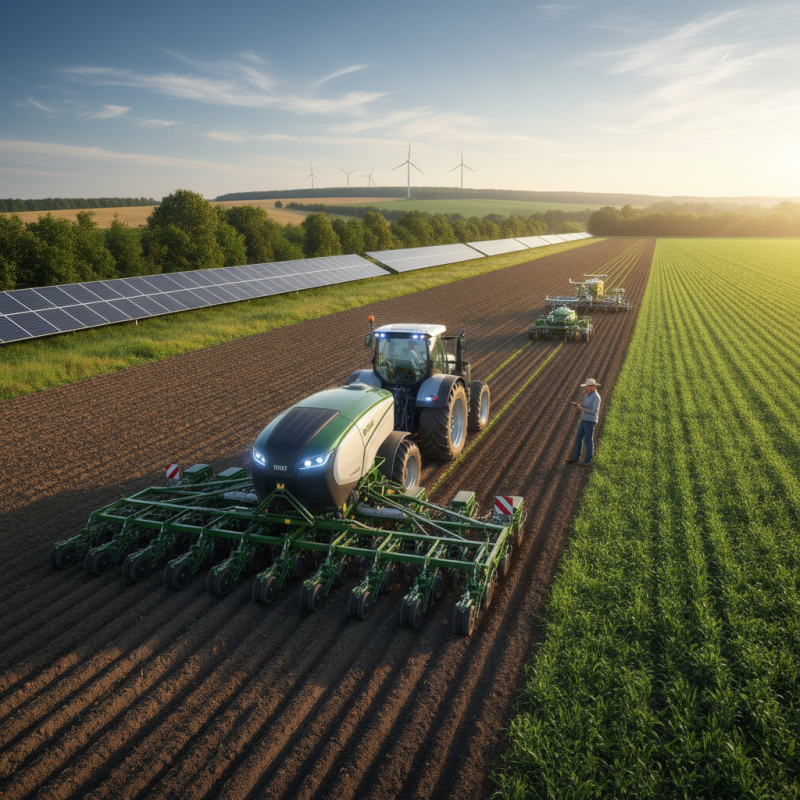
When selecting equipment, consider your specific needs. Different crops and soil types require various tools. For instance, a no-till drill can minimize soil disturbance while ensuring good crop yields. However, not all farmers have access to advanced machinery. Budget constraints often lead to compromises.
Moreover, local climate and land conditions play a significant role in decision-making. It's crucial to reflect on past choices and their outcomes. Some equipment may not have delivered the expected efficiency. Farmers should regularly evaluate their methods to ensure sustainability is at the forefront of their operations.
Understanding Sustainable Agriculture and Its Equipment Needs
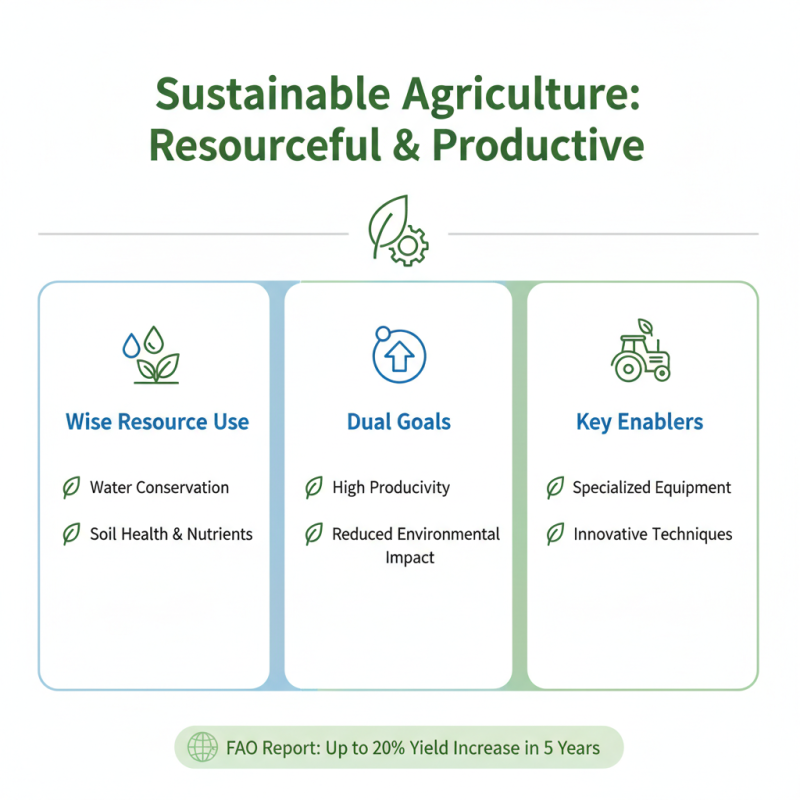
Sustainable agriculture focuses on using resources wisely. It aims for high productivity while reducing environmental impact. This approach requires specialized equipment to meet these goals. A recent report from the Food and Agriculture Organization (FAO) suggests that implementing sustainable practices can increase yield by up to 20% over five years.
Choosing the right equipment is critical. For example, precision farming tools allow farmers to monitor soil health and crop conditions more effectively. Data from the International Society of Precision Agriculture shows that using these tools can decrease chemical use by 25%. However, many farmers face challenges in selecting the right technologies suited for their unique practices or land.
Not every tool will work for every farm. Some equipment may be too advanced for small or medium-sized enterprises. Moreover, the initial investment can be high, causing hesitation among farmers. There is also a risk of relying too heavily on technology, which might cause disconnection from traditional farming knowledge. Balancing innovation and tradition is essential for success in sustainable agriculture.
Evaluating Different Types of Farm Equipment for Sustainability
When evaluating different types of farm equipment for sustainability, it is vital to consider their impact on soil health. Equipment like no-till drills can help minimize soil disturbance. They preserve the soil structure, promoting healthy microbial life. However, no-till systems may not be effective in every climate. Some farmers struggle with weed control in these setups.
Additionally, precision agriculture tools offer promising options. They allow for targeted application of inputs like fertilizers and pesticides. This approach reduces waste and pollution. Yet, the initial investment can be daunting for many small-scale farmers. They may question if the technology justifies the cost.
Universal design and multi-functionality are key characteristics to seek in sustainable equipment. Tools that serve multiple purposes can reduce the need for excessive machinery. For instance, a single piece that can plant, cultivate, and harvest saves space and resources. However, versatility may compromise efficiency in specific tasks. Balancing these factors requires careful consideration. Each farm has unique challenges, and the right equipment should address those while promoting sustainability.
Assessing the Impact of Equipment on Soil Health and Biodiversity
When choosing farm equipment, consider its impact on soil health. Soil is a living entity, full of microorganisms. Heavy machinery can compact the soil, reducing its aeration. This hampers root growth and water absorption. A lighter option might be better. It protects the fragile ecosystem beneath the surface.
Biodiversity is equally important. Farm equipment can disrupt habitats. For example, wide tillage can destroy insects and plants vital for pollination. The use of more specialized tools may help preserve these species. A careful balance is essential. Sometimes, farmers overlook this relationship, focusing only on productivity. But, long-term yields depend on a healthy ecosystem.
Reflecting on equipment choices can lead to better practices. Farmers may need to evaluate their priorities. Is short-term gain worth long-term damage? Sustainable agriculture requires thoughtfulness. Adopting the right tools is not just about efficiency. It’s also about nurturing our earth for future generations.
How to Choose the Right Farm Equipment for Sustainable Agriculture? - Assessing the Impact of Equipment on Soil Health and Biodiversity
| Equipment Type |
Impact on Soil Health |
Impact on Biodiversity |
Sustainability Score (1-10) |
Cost (USD) |
| Tillage Equipment |
Moderate |
Low |
6 |
1500 |
| Seeders |
High |
Moderate |
8 |
2000 |
| Cover Crop Rollers |
High |
High |
9 |
3000 |
| Organic Fertilizer Spreaders |
High |
Moderate |
7 |
1800 |
| Drip Irrigation Systems |
High |
Moderate |
8 |
2500 |
Selecting Energy-Efficient and Eco-Friendly Machinery Options
Choosing energy-efficient and eco-friendly machinery is essential for sustainable agriculture. Research indicates that optimizing farm equipment can reduce energy consumption by up to 30%. This is not just about cutting costs; it directly impacts the environment. For example, modern tractors designed for lower emissions can significantly reduce greenhouse gas releases.
Electric machinery offers an exciting alternative. Although the initial investment may be high, incentives are often available. Electric tractors can operate with 70% less energy compared to traditional diesel models. Farmers must consider the lifetime costs and benefits. Implementing solar panels on sites can further enhance energy savings.
Another aspect to consider is the maintenance of machinery. Many farmers overlook that older machinery often consumes more fuel. Regular maintenance can improve efficiency. Investing in efficient equipment is not just a trend; it's a necessity. Balancing cost, efficiency, and environmental impact is a challenge. Yet, it yields long-term benefits for both farmers and the planet.
Budgeting for Sustainable Equipment Investments and Maintenance
Budgeting for sustainable farm equipment is essential for any agricultural venture. Start by assessing your current needs. What equipment do you truly require for sustainable practices? This may include tractors, tillers, or irrigation systems. Each piece should align with your sustainability goals.
Consider the initial cost and long-term maintenance. Some equipment might be more efficient but comes with a higher price tag. It's not always about the upfront cost. Look into expected lifespan and repair frequency. Over time, cheaper options could become more expensive due to frequent repairs.
Tips: Always set aside a maintenance fund. Small repairs can escalate quickly if ignored. Review your budget regularly to adjust for unexpected expenses. Assess local resources, like co-ops, which may offer communal equipment access. This can lower your overall costs.
Lastly, remember that not every choice will be perfect. You may invest in equipment that doesn’t meet expectations. Reflect on what works and what doesn’t. This learning process is vital for refining your approach to sustainable agriculture. Be willing to adapt and evolve as you discover new solutions.