Top 7 Essential Tips for Effective Agricultural Equipment Maintenance
In the dynamic field of agriculture, the efficiency and longevity of farming operations heavily rely on the proper upkeep of machinery. Effective agricultural equipment maintenance is not merely a routine task; it is a critical component that ensures the reliability and performance of essential farming tools. With the rising costs of equipment and the demands of modern agriculture, farmers and operators must prioritize maintenance practices to safeguard their investments and optimize productivity.
This article explores the top seven essential tips for effective agricultural equipment maintenance, aimed at empowering agricultural professionals to enhance the lifespan and functionality of their machines. By adhering to these best practices, operators can reduce downtime, avoid costly repairs, and ultimately achieve a more sustainable and profitable farming operation. Through a combination of proactive maintenance, timely inspections, and knowledge of equipment needs, farmers can ensure their machinery remains efficient and effective throughout the seasons.
Understanding the Impact of Regular Maintenance on Agricultural Equipment Lifespan
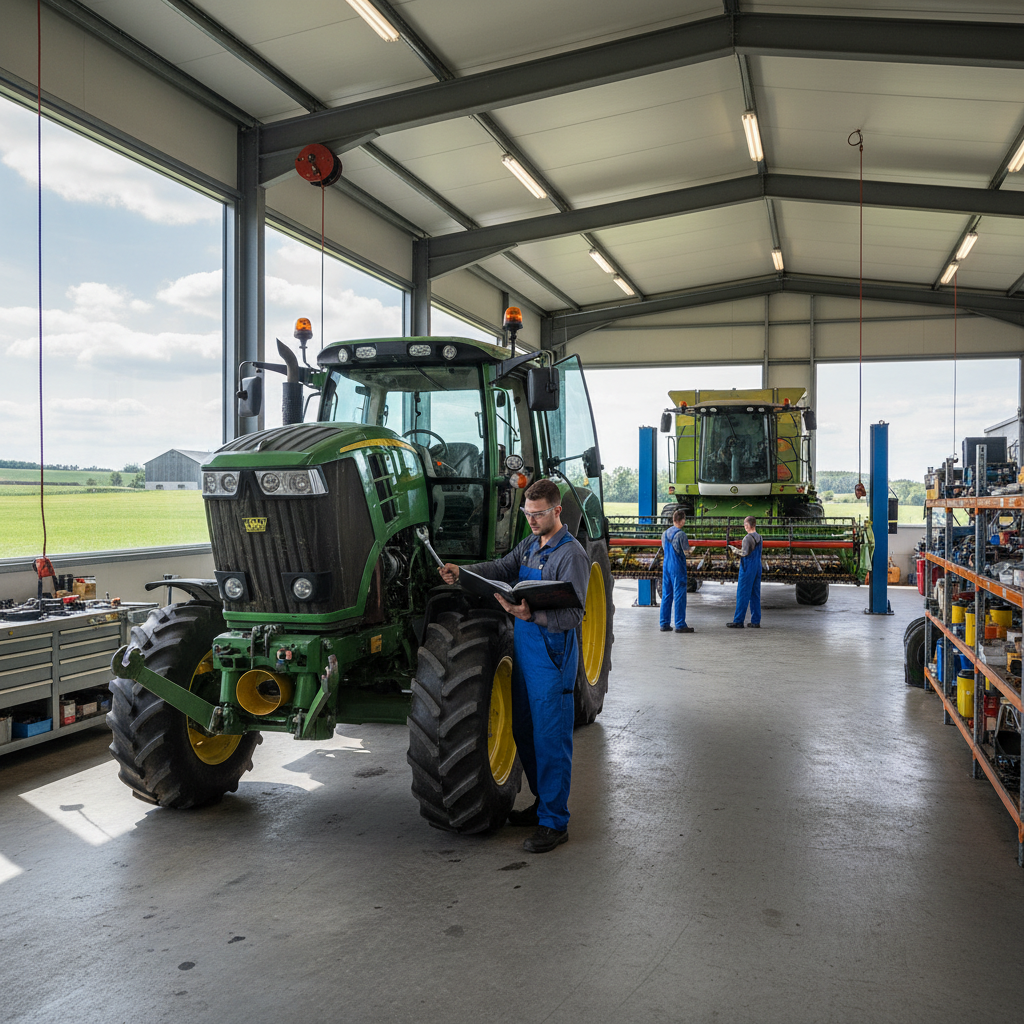
Regular maintenance of agricultural equipment plays a crucial role in extending its lifespan and ensuring optimal performance. Neglecting routine checks can lead to unforeseen breakdowns, which may disrupt farming operations and incur costly repairs. For instance, monitoring oil levels, filters, and belts can prevent engine damage and enhance efficiency. By adhering to a structured maintenance schedule, farmers can identify potential issues early, while significantly reducing the likelihood of expensive downtime.
In addition, proper maintenance practices not only improve the durability of the equipment but also enhance safety. Faulty machinery poses risks to operators and the surrounding environment. Regularly inspecting and servicing equipment ensures that safety features function as intended and reduces the chance of accidents. By investing time and resources into maintenance, farmers can cultivate a more reliable and productive agricultural operation, ultimately leading to increased yields and profitability.
Key Performance Indicators for Tracking Agricultural Equipment Efficiency and Maintenance
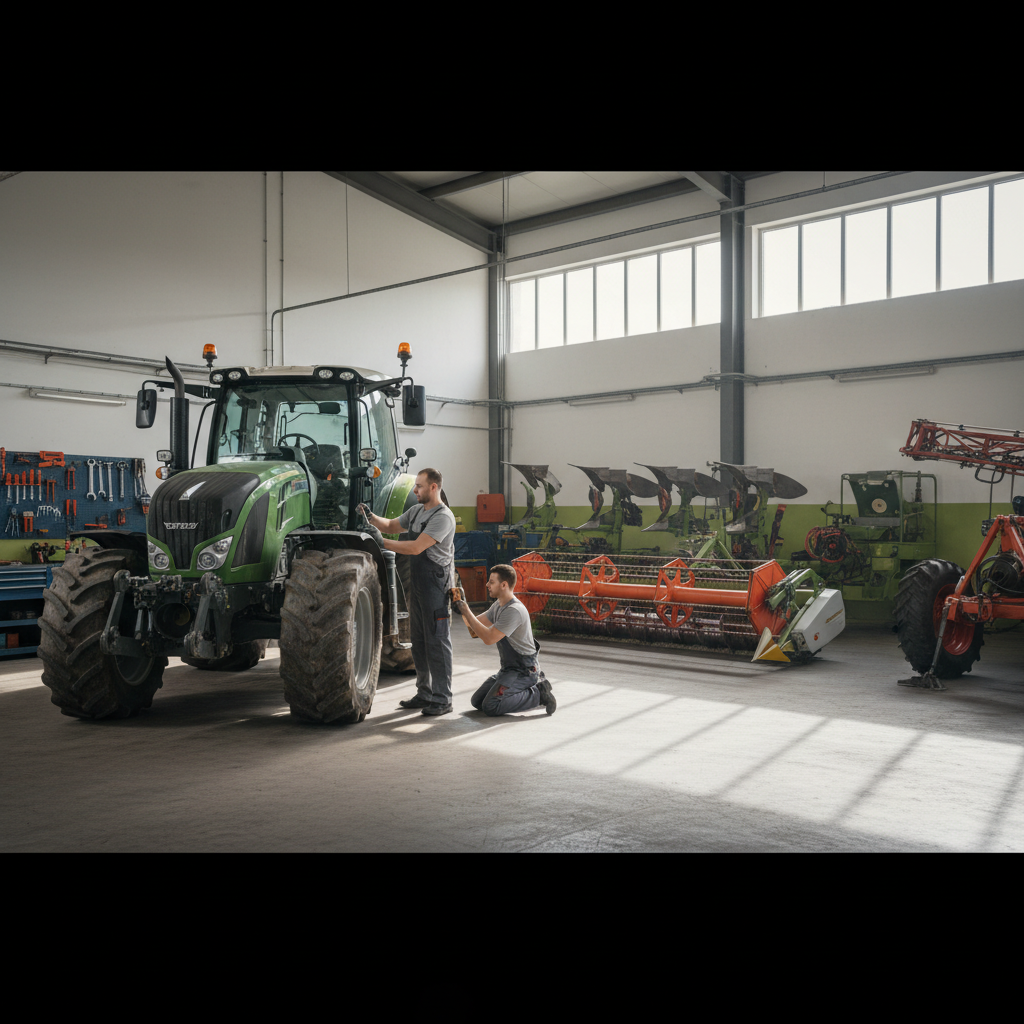
Monitoring Key Performance Indicators (KPIs) is crucial for maintaining the efficiency of agricultural equipment. Key KPIs can include equipment uptime, maintenance costs, and overall operational efficiency.
Uptime is a vital metric indicating how often equipment is operational versus how often it is down for repairs or maintenance. By tracking uptime, farmers can quickly identify which pieces of equipment are underperforming and require immediate attention or replacement.
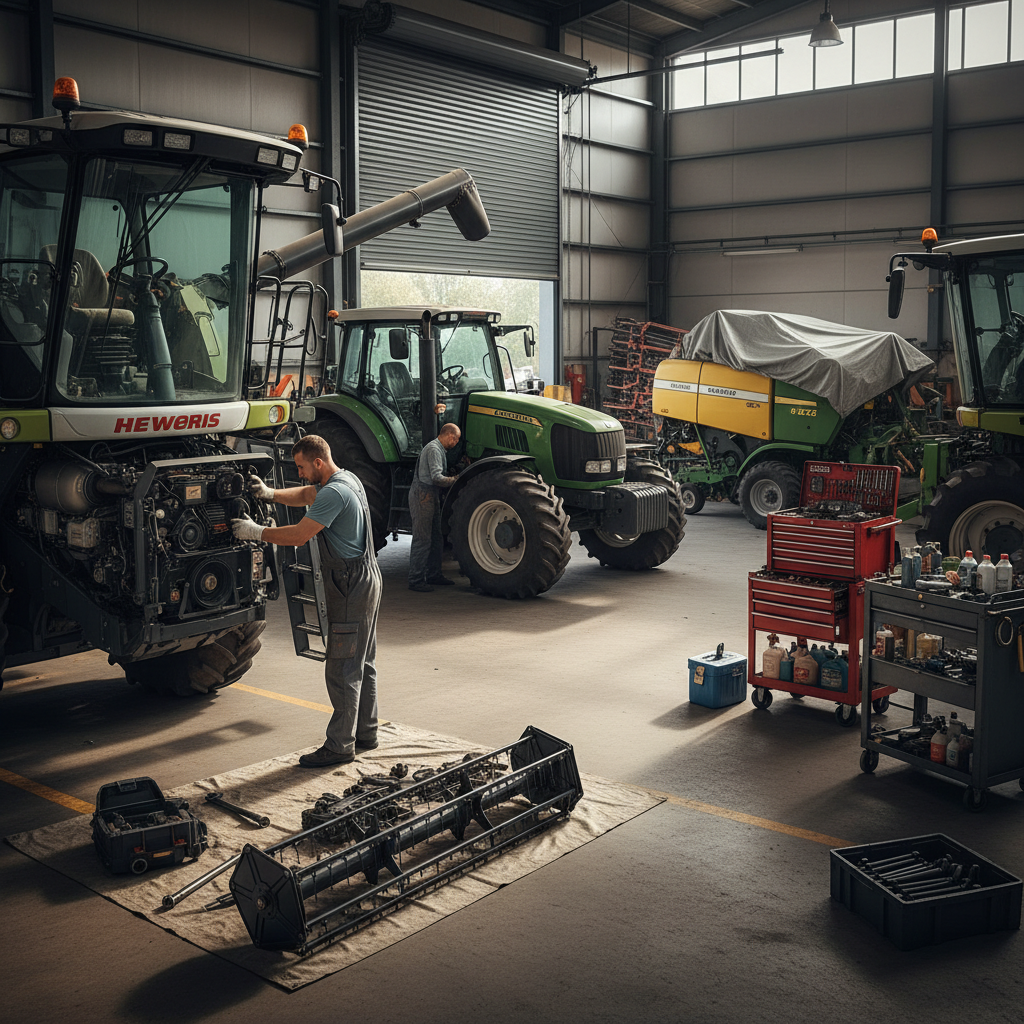
Another important KPI is maintenance costs, which encompasses both scheduled and unscheduled maintenance expenses. By analyzing these costs, operators can assess whether they are spending excessively on repairs or if their equipment is performing reliably.
Additionally, measuring operational efficiency through time-to-completion metrics helps farmers understand how much time their equipment spends actively working compared to idle time.
Tracking these KPIs not only enhances equipment longevity but also optimizes the overall productivity of agricultural operations, leading to better yields and profitability in the long run.
Integrating Technology Solutions for Proactive Maintenance Management in Agriculture
In the evolving landscape of agriculture, integrating technology solutions for proactive maintenance management is becoming essential. The Facility Management Market, projected to reach $138.50 billion by 2030, underscores the growing importance of efficient resource management across various sectors, including agriculture. With the advent of sophisticated systems like Integrated Facility Management Services, farms can enhance their operational efficiency through intelligent environmental controls, leveraging sensors and automation to optimize crop production and reduce environmental impact.
Moreover, predictive maintenance plays a pivotal role in modern agricultural practices. By utilizing AI and advanced data analytics, farmers can identify potential equipment failures before they occur, thus minimizing downtime and maximizing asset utilization. Recent studies indicate that integrating agriculture scheduling software can not only streamline management but also significantly boost farm productivity, aligning with the industry's necessity for proactive, preventive, and prescriptive care. As the demand for innovative agricultural solutions grows, the adoption of these technologies will be crucial in enhancing resilience against climate change and ensuring sustainable farming practices.
Top 7 Essential Tips for Effective Agricultural Equipment Maintenance
Cost-Benefit Analysis of Scheduled Maintenance vs. Reactive Maintenance Strategies
Scheduled maintenance strategies in agriculture have grown increasingly vital, especially as 93% of warehouse and distribution centers acknowledge their heavy-equipment maintenance processes are inadequate and financially detrimental. This highlights a pressing need for proactive approaches, where planned maintenance prevents costly downtime and enhances overall operational efficiency. Research shows a marked shift from reactive maintenance, which often incurs higher costs due to unexpected failures and repairs, toward scheduled maintenance that not only preserves equipment but also optimizes longevity.
Furthermore, industries like mining and manufacturing are experiencing transformative benefits through predictive maintenance technologies. By leveraging data analytics, these sectors are not only reducing operational costs but also significantly boosting equipment reliability. For instance, predictive maintenance in manufacturing has allowed companies to enhance operational efficiency while minimizing downtime. As advanced technologies permeate agricultural equipment maintenance, the focus is steadily shifting to integrating similar predictive strategies that ensure the machinery remains functional and cost-effective over longer periods. This strategic shift may well define the future landscape of agricultural operations, yielding substantial economic benefits and improved productivity.
Best Practices for Developing a Comprehensive Maintenance Schedule for Farm Equipment
Developing a comprehensive maintenance schedule for farm equipment is crucial for ensuring longevity and optimal performance. The first step is to categorize the equipment based on usage frequency and operational demands. This allows farmers to prioritize maintenance tasks and allocated resources effectively. Creating a timeline for regular inspections, lubrication, and parts replacement can help identify potential issues before they escalate into costly repairs. Additionally, seasonal adjustments may be necessary, depending on the type of crop being cultivated and the specific machinery in use.
Incorporating a digital management system can enhance the maintenance schedule's efficiency. Using software or apps enables easy tracking of service history and maintenance tasks, ensuring no equipment is overlooked. User-friendly interfaces allow farmers to input data and set reminders for upcoming maintenance activities, improving accountability. Ultimately, a well-structured maintenance schedule not only extends the life of agricultural equipment but also boosts productivity on the farm, making it an essential practice for any serious agricultural operation.