Top Equipment for Agriculture Farming in 2025 You Need to Know

The agricultural industry is on the brink of a technological revolution, with advancements in equipment for agriculture farming shaping the future of food production. According to a report by MarketsandMarkets, the global agricultural equipment market is projected to grow from USD 168 billion in 2020 to USD 246 billion by 2025, driven by the increasing demand for food due to the growing population and the need for more efficient farming practices. The integration of smart technologies, such as precision farming tools and autonomous machinery, is expected to enhance productivity and reduce operational costs, playing a pivotal role in meeting the challenges posed by climate change and resource scarcity.

As we look ahead to 2025, staying informed about the top equipment for agriculture farming is essential for farmers aiming to maximize their yield and sustainability. Recent studies indicate that precision agriculture can lead to a 20% increase in crop yield while reducing inputs such as water and fertilizers by up to 30%. The adoption of innovative machinery not only helps in optimizing resources but also contributes to sustainable agricultural practices, which are increasingly prioritized in today’s environmentally conscious market. By embracing these advancements, farmers can ensure a competitive edge and contribute to a resilient food supply chain.
Top Equipment for Agriculture Farming in 2025 You Need to Know

Essential IoT Technologies Transforming Agriculture Farming in 2025

The integration of IoT technologies in agriculture farming is revolutionizing the way food is produced and managed. In 2025, the adoption of smart sensors and data analytics will enable farmers to monitor crop conditions in real-time. These sensors can track soil moisture, temperature, and nutrient levels, providing insights that allow for more efficient resource use. By leveraging this data, farmers can optimize irrigation schedules and fertilization practices, thereby improving yields while minimizing waste and environmental impact.

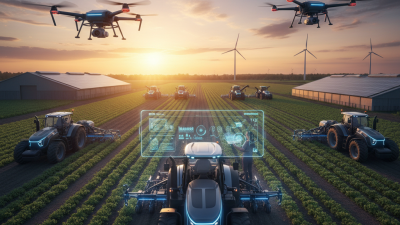
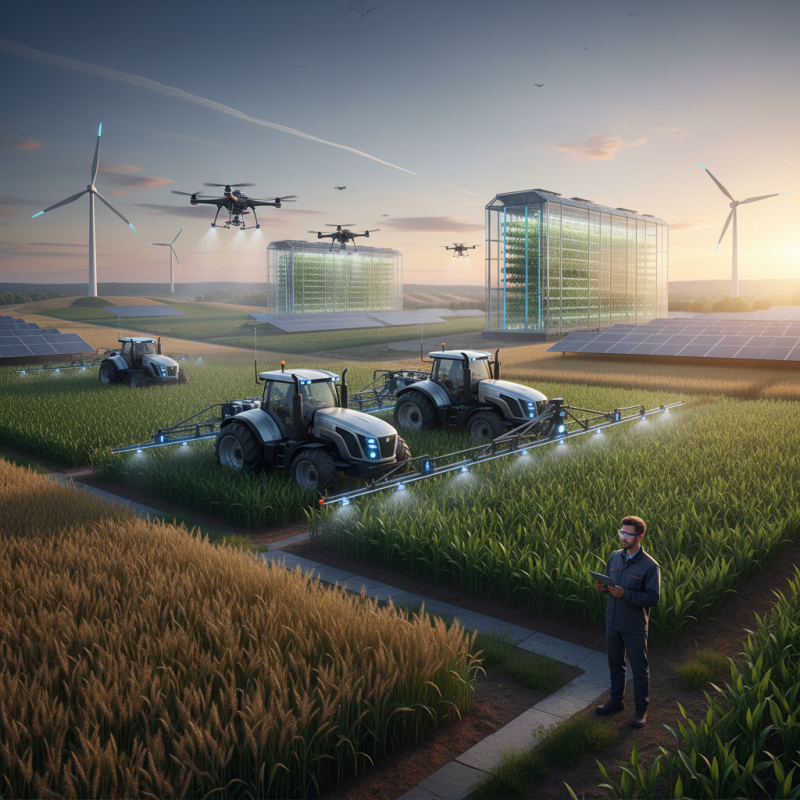
Another transformative aspect of IoT in agriculture is the rise of autonomous farming equipment. Drones equipped with imaging technology can survey vast fields quickly, identifying areas that need attention, be it pest control or crop health assessment. Furthermore, autonomous tractors and harvesters are set to become commonplace, reducing labor costs and enhancing operational efficiency.

These advancements not only make farming more productive but also promote sustainable practices by ensuring that resources are applied precisely where needed, ultimately leading to a more resilient agricultural system.
Innovative Machinery Trends for Efficient Crop Management in 2025

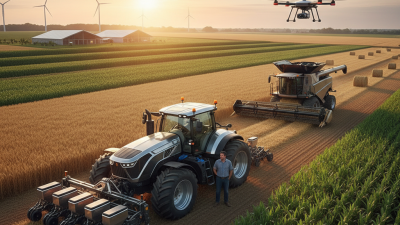
In 2025, the landscape of agriculture farming is set to be transformed by innovative machinery trends that focus on enhancing efficiency and productivity in crop management. With the integration of advanced technologies such as artificial intelligence and machine learning, modern agricultural machinery will enable farmers to optimize their operations like never before. These innovations will facilitate real-time data collection and analysis, allowing for informed decision-making that greatly improves crop yields and resource utilization.

Furthermore, the rise of autonomous machinery is revolutionizing farm management. Drones equipped with advanced sensors will monitor crop health from above, providing valuable insights into crop conditions and enabling precise interventions. Similarly, autonomous tractors and harvesters will reduce labor costs and increase efficiency, as they can operate around the clock without the need for human oversight. This shift towards automation not only streamlines agricultural processes but also addresses labor shortages that many sectors of farming face. As these technologies become more accessible, farmers will be better equipped to meet the challenges of a growing global population and changing climate conditions, ensuring sustainable agricultural practices for the future.

Sustainable Equipment Solutions for Eco-Friendly Farming Practices

Top Equipment for Agriculture Farming in 2025 You Need to Know

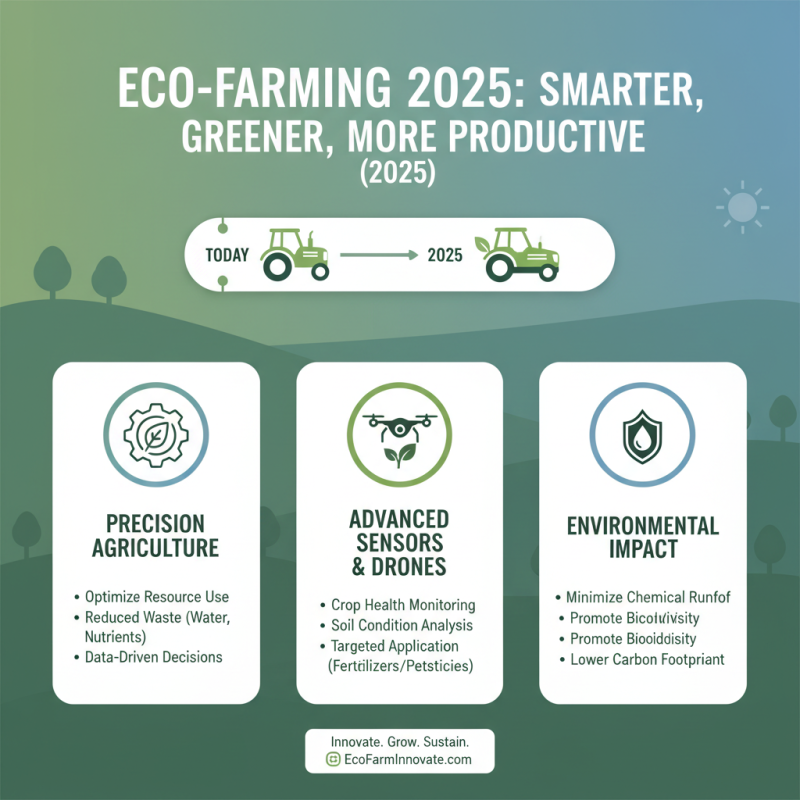
As the agricultural sector evolves, the emphasis on sustainable equipment solutions is becoming increasingly significant. In 2025, eco-friendly farming practices will be driven by innovations that not only enhance productivity but also minimize environmental impact. Farmers are increasingly turning to equipment designed for efficiency, such as precision agricultural tools that optimize resource use. These innovations include advanced sensors and drones that help monitor crop health and soil conditions, enabling farmers to apply fertilizers and pesticides more sparingly, thereby reducing chemical runoff and promoting biodiversity.

Moreover, renewable energy-powered machinery is gaining traction as a vital component of sustainable farming. New technologies harness solar and wind energy, reducing reliance on fossil fuels. This shift not only lowers carbon footprints but also improves energy efficiency and operational costs in the long run. Additionally, equipment that facilitates regenerative agriculture practices—like no-till drills and cover crop seeders—supports soil health and enhances carbon sequestration. By adopting such sustainable equipment solutions, farmers can contribute to a more resilient agricultural system while meeting the growing demand for eco-conscious food production.

Advanced Precision Agriculture Tools for Enhanced Yield in 2025

In 2025, the agriculture sector is witnessing a transformative shift towards precision farming, driven by advanced technologies that optimize crop yields and resource use. According to a report by MarketsandMarkets, the precision agriculture market is expected to grow from $7 billion in 2020 to over $12 billion by 2025, highlighting a growing demand for sophisticated tools that enhance productivity and sustainability. These tools include high-resolution satellite imagery and drones, which allow farmers to monitor crop health and soil conditions in real time, enabling data-driven decision-making.

Another key component of advanced precision agriculture is the integration of Internet of Things (IoT) devices in farming equipment. A study by Grand View Research shows that the global IoT in agriculture market is projected to reach $20 billion by 2025, indicating a significant rise in the adoption of sensors and smart irrigation systems. These technologies provide precise data on soil moisture and climate conditions, allowing farmers to apply the right amount of water and nutrients at optimal times. As a result, farms can not only improve yield but also reduce waste and minimize environmental impact, paving the way for a more sustainable agricultural future.

Smart Robotics and Automation Systems Shaping Future Farming Techniques

Top Equipment for Agriculture Farming in 2025 You Need to Know

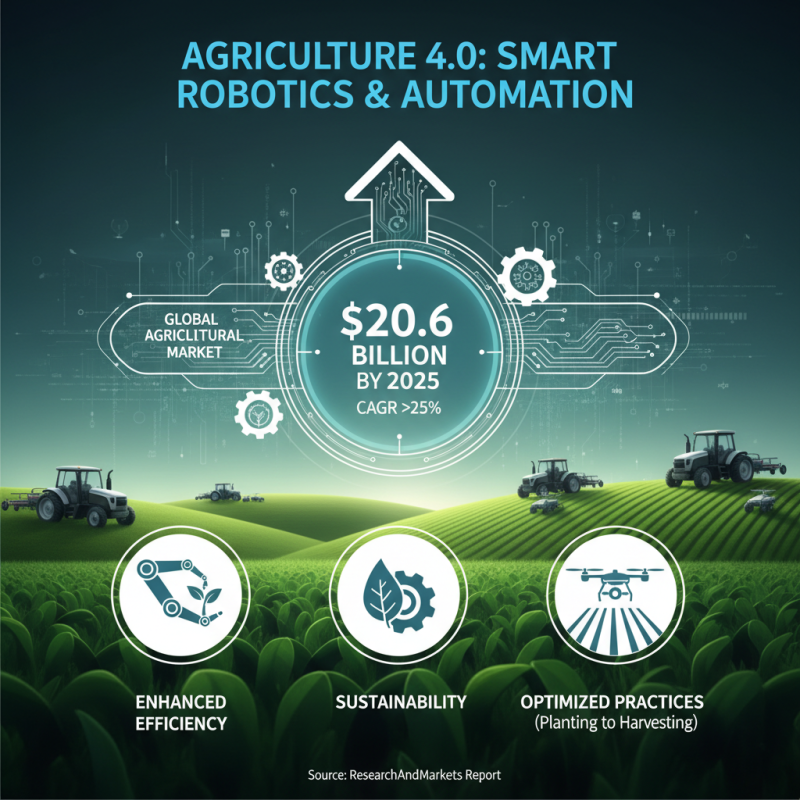
As agriculture continues to evolve, the integration of smart robotics and automation systems is revolutionizing farming techniques, enhancing efficiency, and sustainability. According to a report by ResearchAndMarkets, the global agricultural robotics market is projected to reach $20.6 billion by 2025, growing at a CAGR of over 25%. This surge signifies the increasing reliance on advanced technologies to optimize agricultural practices, from planting to harvesting.

Automation systems, such as autonomous tractors and drones, are becoming essential tools for farmers. These devices enable precision agriculture, allowing for accurate monitoring of crop health and soil conditions. For instance, the use of drones equipped with multispectral sensors provides real-time data for making informed decisions about irrigation and fertilization. A study from McKinsey highlights that implementing robotics and AI-driven analytics can improve crop yields by up to 30%, a crucial factor in meeting the demands of a growing global population expected to reach 9.7 billion by 2050.

Moreover, smart robotics are not only improving productivity but also addressing labor shortages in agriculture. The USDA reported that the agricultural labor force is becoming increasingly difficult to source, with many workers aging out of the industry. Automation can help bridge this gap, ensuring that farms remain productive despite declining workforce availability. As we look towards 2025 and beyond, the role of smart robotics and automation will undoubtedly be pivotal in shaping the future of farming.