2025 Top Tips for Effective Agricultural Equipment Maintenance Strategies
In the dynamic landscape of modern agriculture, the importance of effective agricultural equipment maintenance cannot be overstated. As farmers strive for increased productivity and sustainability, maintaining machinery in peak condition is essential for ensuring operational efficiency and minimizing downtime. Renowned agricultural expert Dr. John Smith once remarked, "A well-maintained piece of equipment is not just a tool; it's an investment in the future of farming." This perspective underscores the critical role that thorough maintenance strategies play in safeguarding agricultural operations.
Adopting proactive maintenance practices can lead to remarkable improvements in both the lifespan and performance of farming equipment. Regular inspections, timely repairs, and a solid understanding of manufacturers' recommendations serve as the backbone of a successful agricultural equipment maintenance program. Furthermore, the integration of technology, such as predictive analytics and IoT monitoring, can transform traditional maintenance approaches, allowing farmers to anticipate issues before they escalate.
In light of these considerations, the following top tips for effective agricultural equipment maintenance strategies will guide farmers in optimizing their machinery usage, reducing unexpected breakdowns, and ultimately enhancing productivity on the farm. As the agricultural sector continues to evolve, maintaining a focus on sound maintenance practices will be pivotal to the success and sustainability of farming operations.
Top Industry Statistics on Agricultural Equipment Lifecycle and Maintenance
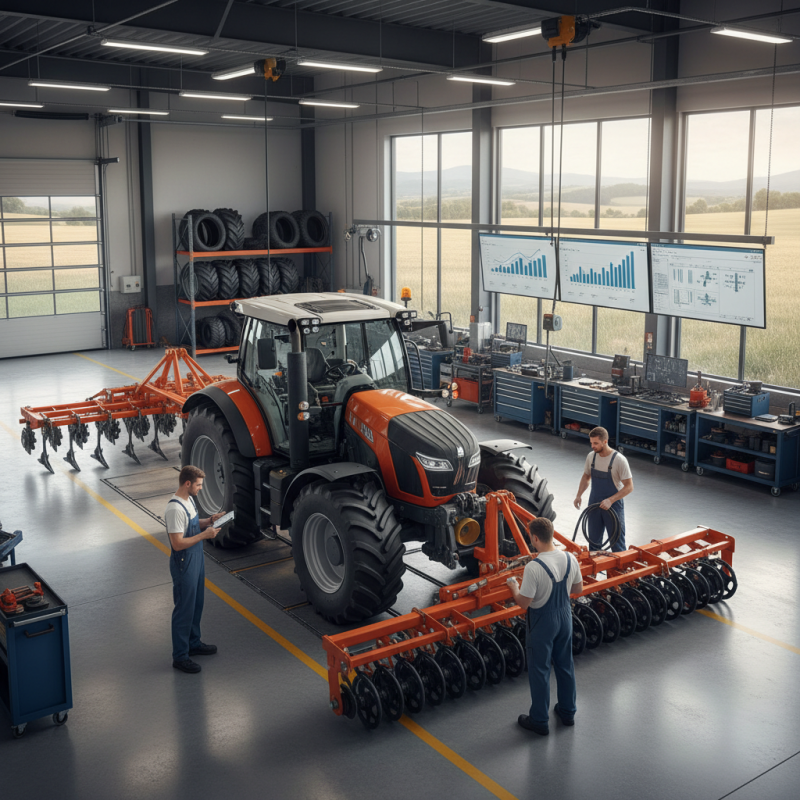
Agricultural equipment plays a crucial role in modern farming, and understanding its lifecycle is essential for optimizing maintenance strategies. Statistics indicate that the average lifecycle of agricultural machinery can range from 10 to 25 years, depending on the type and usage. Proper maintenance can significantly extend this lifespan, with studies showing that well-maintained equipment can last up to 30% longer than neglected counterparts. Moreover, farmers can reduce their operational costs by up to 20% through effective maintenance practices, highlighting the economic benefits of investing time and resources into equipment upkeep.
A deeper look into maintenance practices reveals that a proactive approach is key to maximizing efficiency. Regular inspections, timely repairs, and adherence to manufacturer guidelines can minimize downtime and enhance productivity. Industry data suggests that around 40% of maintenance costs stem from unexpected equipment failures, underscoring the importance of preventive measures. Additionally, implementing digital tools like maintenance tracking software can provide real-time insights, significantly improving decision-making and resource allocation. By leveraging these strategies, farmers can not only prolong the life of their machinery but also ensure optimal operational performance throughout their farming season.
2025 Top Tips for Effective Agricultural Equipment Maintenance Strategies
| Maintenance Tip |
Description |
Frequency |
Expected Lifespan Impact (%) |
| Regular Lubrication |
Ensure all moving parts are lubricated to prevent wear and tear. |
Every 50 hours of operation |
20% |
| Monthly Inspection |
Check for loose bolts, leaks, and wear on belts. |
Monthly |
15% |
| Seasonal Overhaul |
Conduct a thorough check before the planting or harvesting seasons. |
At the start of each season |
30% |
| Proper Cleaning |
Clean the equipment after each use to prevent corrosion and buildup. |
After each use |
25% |
| Software Updates |
Keep any onboard software up to date for optimal performance. |
As available |
10% |
Essential Maintenance Practices for Tractors and Other Equipment Types
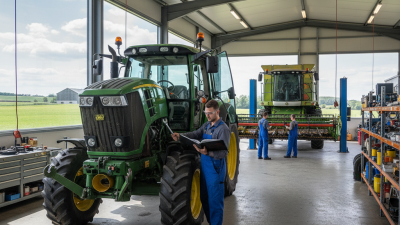
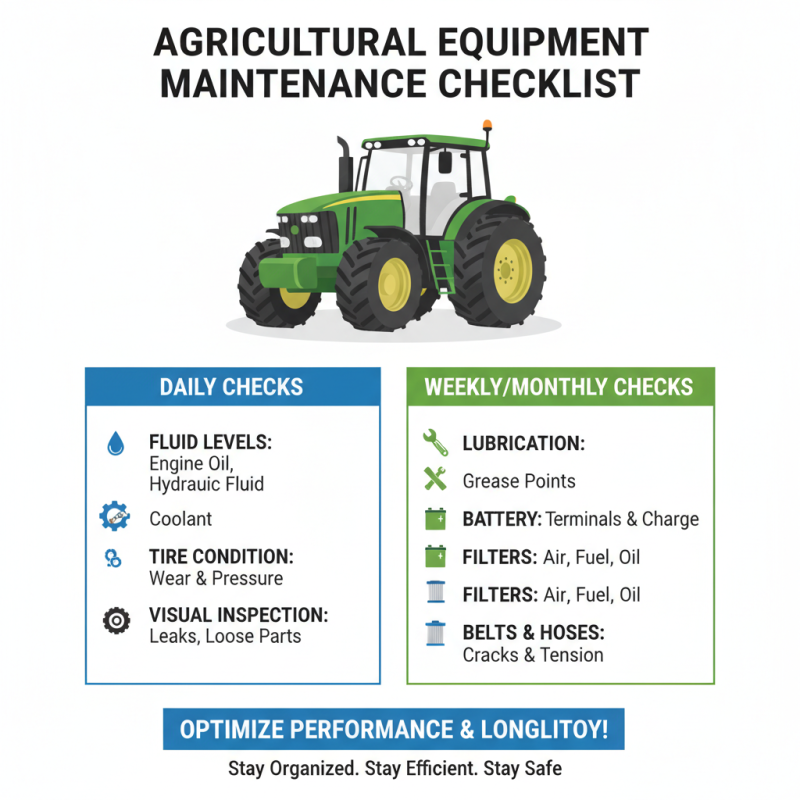
Maintaining agricultural equipment, especially tractors, is crucial for ensuring optimal performance and longevity. One of the essential practices is to conduct regular inspections. Operators should check fluid levels, including oil, hydraulic fluid, and coolant, to prevent overheating and mechanical failures. Additionally, routine checks of the tires for wear and proper inflation can significantly improve fuel efficiency and safety on the field. Creating a comprehensive checklist that includes these inspections can aid farmers in organizing their maintenance schedule effectively.
Another critical aspect of maintenance is timely servicing. Scheduling maintenance during off-peak seasons ensures that tractors and other essential machines are not sidelined during harvesting or planting periods. Regular servicing should include air filter replacements, belt checks, and brake adjustments to keep the equipment in top condition. Furthermore, educating operators on basic maintenance tasks can empower them to identify potential issues early, thus reducing downtime and repair costs. By prioritizing these practices, farmers can enhance the reliability of their equipment and optimize their agricultural operations.
Impact of Regular Maintenance on Crop Yield and Equipment Longevity
Regular maintenance of agricultural equipment plays a crucial role in maximizing crop yield and ensuring the longevity of machinery. As highlighted by recent trends, farmers are facing numerous challenges, such as volatile climatic conditions and competition for land usage. Implementing effective maintenance strategies not only helps in reducing downtime but also enhances the efficiency of agricultural practices. For instance, predictive maintenance monitoring systems can identify potential equipment failures before they happen, enabling farmers to address issues proactively and maintain consistent productivity levels.
Furthermore, with the agricultural machinery maintenance services market projected to grow significantly, investing in proper maintenance can yield substantial returns. By extending the life of equipment through regular check-ups and employing vibration monitoring technologies, farmers can cut repair costs and minimize interruptions in their operations. In a landscape where every bit of yield counts, the impact of regular maintenance cannot be overstated; it directly correlates to the health of the soil, the quality of the crops produced, and overall farm profitability. Thus, establishing robust maintenance protocols is essential for farmers looking to thrive in an increasingly challenging environment.
Innovative Technologies Revolutionizing Agricultural Equipment Maintenance
Innovative technologies are fundamentally transforming the landscape of agricultural equipment maintenance. With the rise of IoT (Internet of Things) devices, farmers can now monitor the performance and health of their equipment in real time. According to a 2023 report by MarketsandMarkets, the agricultural IoT market is projected to reach $20 billion by 2025, highlighting the increasing reliance on smart technology in agriculture. These devices enable proactive maintenance by providing data on equipment usage, wear and tear, and potential malfunctions before they lead to costly breakdowns.
Additionally, advancements in predictive analytics are further enhancing the maintenance strategies employed by agribusiness professionals. By leveraging machine learning algorithms, farmers can analyze historical performance data and forecast maintenance needs with greater accuracy. A 2023 study from AgFunder estimates that farms utilizing predictive maintenance technologies can reduce downtime by up to 30%, resulting in significant cost savings and increased productivity. This shift toward data-driven decision-making not only streamlines maintenance processes but also maximizes the overall efficiency of agricultural operations, paving the way for a more sustainable and profitable future.
Cost-Benefit Analysis of Preventive vs. Reactive Maintenance Strategies
In the 2025 landscape of agricultural management, a key aspect for success hinges on the choice between preventive and reactive maintenance strategies. A recent industry report highlights that facilities utilizing preventive maintenance experience up to a 25% reduction in total maintenance costs compared to those relying solely on reactive measures. This shift not only maximizes equipment lifespan but also enhances operational efficiency, reducing unexpected downtimes that can significantly impact production timelines.
Moreover, the analysis reveals that agricultural enterprises implementing a proactive maintenance regime see a remarkable improvement in equipment reliability, with statistical data suggesting a 15% increase in overall productivity. The cost-benefit analysis indicates that investing in scheduled inspections and timely service interventions yields substantial long-term savings—typically recovering the initial investment within the first two years through decreased repair costs and improved yields. As the farming sector transitions towards more sustainable practices, understanding these maintenance strategies becomes pivotal in ensuring the longevity and effectiveness of agricultural equipment management.