2026 Best Molybdenum Sheet Suppliers for Global Buyers
Choosing the right MOLYBDENUM SHEET supplier requires more than comparing prices. Global buyers must examine purity, thickness tolerance, surface finish, delivery reliability, and technical documentation. These details affect furnace parts, semiconductor equipment, aerospace components, and high-temperature shields.
Materials specialist Dr. Robert C. Gifkins once emphasized, “Reliable refractory-metal performance begins with controlled processing, not a sales promise.” His observation remains practical for procurement teams. A dependable supplier should provide mill certificates, chemical analysis, inspection records, and clear traceability from ingot to finished sheet. Buyers should also confirm whether the material is pure molybdenum, TZM molybdenum, or another alloy. The difference matters.
This guide reviews leading suppliers for 2026. It considers manufacturing capability, international experience, customization, packaging, and technical support. A strong supplier should understand vacuum service, thermal cycling, machining limits, and brittle behavior at lower temperatures. Ask difficult questions early.
Some purchasing decisions still rely too heavily on catalog descriptions. That is a weakness. Real performance depends on details such as rolling direction, edge quality, flatness, and storage conditions. A visually bright sheet may still fail under repeated heat exposure. The best suppliers communicate limitations instead of hiding them. They also help buyers select suitable dimensions, tolerances, and inspection methods. This introduction provides a practical starting point for comparing MOLYBDENUM SHEET manufacturers with greater confidence, while recognizing that no single supplier fits every application or region.
What Is Molybdenum Sheet and Why Does Supplier Selection Matter?
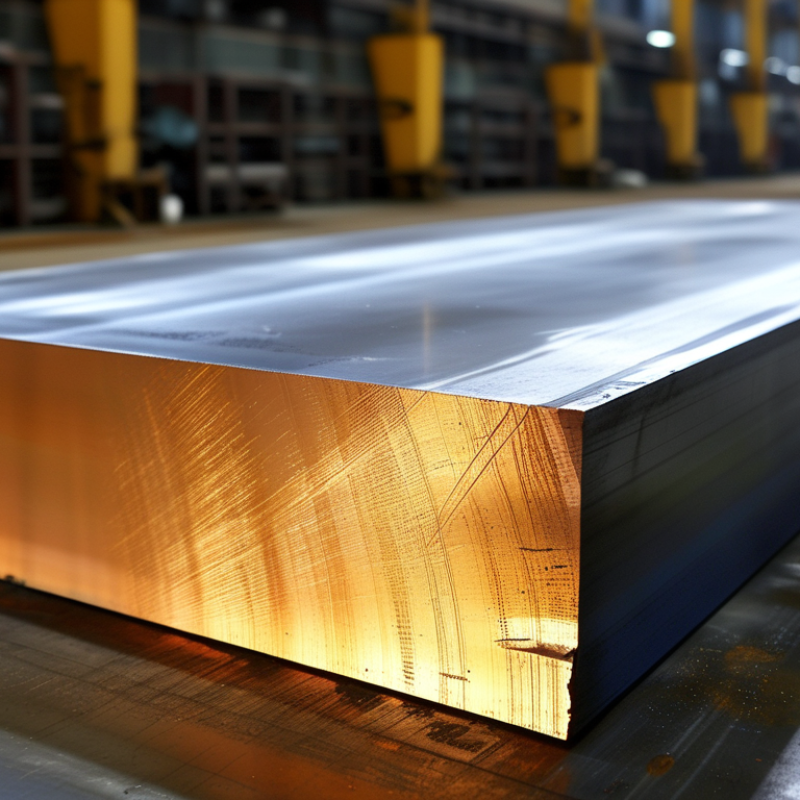
Molybdenum sheet is a flat, refractory-metal product made from processed molybdenum powder or sintered material. It tolerates extreme heat, low vapor pressure, and many corrosive environments. These properties support furnace parts, heat shields, electronics components, and precision tooling.
Supplier selection matters because the specification is rarely limited to thickness. Buyers should verify purity, density, thickness tolerance, surface condition, and grain structure. A sheet may look bright but still contain small inclusions or edge cracks. Careful suppliers provide mill test reports, batch traceability, and inspection data from calibrated equipment. Ask how flatness is measured, not only whether it meets a stated limit.
In practical purchasing, packaging deserves attention. Molybdenum sheets can suffer scratches, bending, or contamination during transport. Moisture barriers, rigid separators, and clear labeling reduce these risks. Reliable suppliers also explain forming limits and recommended machining methods. Their advice should match the intended temperature, atmosphere, and load.
I have seen projects delayed by one overlooked tolerance. It was not dramatic. The drawing simply lacked a clear flatness requirement. That mistake is worth remembering. A lower quotation may hide extra cutting, rework, or testing costs. Buyers should compare documented quality, communication speed, delivery control, and technical understanding together. No supplier is flawless, and vague requirements can create problems on both sides.
Key Grades, Dimensions, Standards, and Performance Requirements
2026 Best Molybdenum Sheet Suppliers for Global Buyers
Grade selection should match temperature, atmosphere, and forming needs. Commercially pure molybdenum suits furnace parts, shields, and high-temperature fixtures. TZM offers better creep resistance at elevated temperatures. Lanthanum-doped grades can improve strength after recrystallization. However, a grade name alone is not enough. Buyers should request chemistry, density, grain condition, and heat-treatment records.
The USGS Mineral Commodity Summaries 2024 reported global mined molybdenum output near 250,000 metric tons in 2023. This scale supports broad supply, but sheet quality still varies considerably. ASTM B386 is a key specification for molybdenum and molybdenum-alloy plate, sheet, and foil. EN or customer-specific standards may add tighter requirements. Check thickness, width, length, flatness, edge condition, and surface finish. Common commercial thicknesses range from thin foil to several millimeters, though availability depends on rolling capacity.
Performance data deserves careful review. The International Molybdenum Association lists molybdenum density at approximately 10.28 g/cm³ and melting temperature near 2,623°C. Its low thermal expansion supports dimensional stability during heating. Yet oxidation begins at high temperatures in air, so vacuum or controlled atmospheres are often necessary. Ask for tensile results at service temperature, not only room-temperature values. A polished surface can look convincing.
It may still hide rolling stress.
2026 Best Molybdenum Sheet Suppliers for Global Buyers
Key grades, dimensions, standards, and performance requirements for evaluating molybdenum sheet materials. The chart compares indicative thermal conductivity at 20°C; actual values vary with purity, alloy chemistry, density, grain structure, and processing condition.
Key Grades
Commercially pure molybdenum is commonly selected for high-temperature furnace parts and heat shields. TZM, typically alloyed with approximately 0.50% titanium, 0.08% zirconium, and 0.03% carbon, provides improved recrystallization resistance and strength. Molybdenum-lanthanum oxide grades are used where better ductility and high-temperature forming performance are required.
Dimensions and Standards
Specify thickness, width, length, flatness, edge condition, surface finish, and allowable tolerances. ASTM B386 covers molybdenum and molybdenum-alloy plate, sheet, and foil; buyers should confirm the applicable grade, product form, testing, and inspection requirements before ordering.
Performance Requirements
Review purity, density, tensile properties, hardness, recrystallization behavior, thermal conductivity, weldability, and vacuum compatibility. Molybdenum oxidizes at elevated temperatures in air, so protective atmospheres or vacuum service may be necessary.
How to Evaluate Molybdenum Sheet Suppliers in 2026
2026 Best Molybdenum Sheet Suppliers for Global Buyers
How to Evaluate Molybdenum Sheet Suppliers in 2026
A reliable supplier should explain its material clearly. Ask for molybdenum purity, alloy grade, thickness tolerance, flatness, and surface condition. Do not rely on a general product page. Request recent inspection reports, chemical analysis, and mechanical test data. The documents should match the actual batch, not an old sample.
Production experience matters. Check whether the supplier controls rolling, annealing, cutting, and packaging in-house. A skilled team should discuss grain direction and recrystallization risks. Ask for photographs of marked sheets and protective packaging. Small details matter. Edges should be clean, without deep cracks or heavy burrs. For demanding applications, request a trial sheet before placing a large order.
Traceability is essential. Each shipment should carry a batch number linked to test records. Confirm lead times, minimum order quantities, and response procedures for nonconforming material. A factory audit or live video inspection can reveal more than polished brochures. Still, remote checks have limits. I would not treat them as complete proof. Price deserves careful review too. An unusually low quote may hide weaker controls, uncertain tolerances, or costly delays. A better evaluation compares total risk, technical support, and delivery consistency, not only the kilogram price.
Global Purchasing Factors: Quality, Pricing, Lead Times, and Logistics
2026 Best Molybdenum Sheet Suppliers for Global Buyers
Global buyers should judge molybdenum sheet quality through measurable evidence, not polished sales language. Ask for chemical composition reports, thickness tolerances, surface inspection records, and traceable heat numbers. Grain structure matters for high-temperature applications. So does flatness. A sheet may meet the nominal grade yet perform poorly after forming. Request recent samples when possible. Review test methods carefully.
Pricing requires more than comparing the quoted price per kilogram. Include cutting fees, packaging, export documents, duties, inland transport, and payment charges. A lower offer can become expensive after delays or rework. Clarify whether prices remain valid for thirty, sixty, or ninety days. Small details hurt budgets. I would also check minimum order quantities and tolerance-related surcharges before approval.
Lead time should be measured from confirmed drawings and payment, not from the first inquiry. Ask for production capacity, inspection timing, and realistic dispatch dates. Confirm whether sheets travel by air, sea, or multimodal freight. Moisture-resistant wrapping, edge protection, and shock indicators can prevent damage during long routes. One practical mistake is trusting an optimistic schedule without a written buffer. Even reliable suppliers can face furnace maintenance, port congestion, or inspection delays. Build contingency time into the purchasing plan, and keep communication records for every change.
2026 Best Molybdenum Sheet Suppliers for Global Buyers - Global Purchasing Factors: Quality, Pricing, Lead Times, and Logistics
| Supplier Profile | Primary Supply Region | Typical Product Scope | Typical Purity | Common Thickness Range | Indicative Price
(USD/kg) | Minimum Order | Production Lead Time | Export Documentation | Typical Logistics Option | Best-Fit Buyer |
| Profile A | East Asia | Commercial molybdenum sheet, plates, cut-to-size blanks | ≥99.95% | 0.10–20 mm | US$95–145 | 25 kg | 3–6 weeks | Mill certificate, packing list, commercial invoice | Sea freight or air freight | Cost-sensitive industrial buyers |
| Profile B | North America | High-temperature furnace sheet and precision-machined plate | ≥99.95% | 0.25–25 mm | US$135–210 | 10 kg | 4–8 weeks | Certificate of analysis, traceability record, export documents | Courier, air freight, or truck delivery | Aerospace and furnace-equipment users |
| Profile C | Europe | Rolled sheet, foil, and custom slit material | ≥99.95% | 0.025–12 mm | US$150–235 | 5 kg | 4–7 weeks | EN/ASTM test report, origin documents, customs invoice | Road freight within Europe; air freight overseas | Precision fabricators and research facilities |
| Profile D | East Asia | Powder-metallurgy sheet and high-density plates | ≥99.97% | 1–50 mm | US$125–190 | 50 kg | 5–9 weeks | Chemical analysis, density data, dimensional inspection report | Containerized sea freight | Large-volume heat-treatment projects |
| Profile E | North America | Small-batch sheet, laser-cut parts, prototype blanks | ≥99.95% | 0.15–10 mm | US$175–280 | 1 kg | 1–4 weeks | Inspection report, material certificate, shipment tracking | Express courier or air freight | Prototype, laboratory, and maintenance buyers |
| Profile F | Central Asia | Standard plate and sheet for industrial components | ≥99.90% | 0.50–30 mm | US$90–135 | 100 kg | 6–10 weeks | Mill certificate, certificate of origin, export packing list | Rail, truck, or multimodal freight | Bulk industrial procurement |
| Profile G | Europe | Medical, semiconductor, and vacuum-equipment sheet | ≥99.97% | 0.05–8 mm | US$190–320 | 2 kg | 5–9 weeks | Full chemical report, surface report, batch traceability | Controlled packaging and air freight | High-purity and contamination-sensitive users |
| Profile H | South Asia | General-purpose sheet and made-to-order cut sections | ≥99.90% | 0.30–25 mm | US$100–155 | 25 kg | 4–8 weeks | Material certificate, invoice, packing list, origin certificate | Sea freight or regional air freight | OEMs seeking flexible batch sizes |
Purchasing note: Price ranges are indicative 2026 market benchmarks in USD per kilogram for molybdenum sheet and plate. Final pricing depends on purity, thickness, dimensions, tolerances, surface condition, quantity, testing requirements, Incoterms, freight, duties, and payment terms. Buyers should verify current quotations, certificates, production capacity, and delivery schedules before placing an order.
Supplier Comparison Criteria for Different Industrial Applications
2026 Best Molybdenum Sheet Suppliers for Global Buyers
For global buyers, supplier comparison should begin with the application, not a polished catalog. Molybdenum sheet for vacuum furnaces may require high purity, stable thickness, and strong performance at elevated temperatures. Semiconductor parts demand tighter surface control, low contamination risk, and complete lot traceability. Chemical processing projects may prioritize corrosion data, forming behavior, and dependable replacement supply.
Request recent mill certificates, chemical analysis, tensile results, and thickness tolerance records. Check whether the supplier can explain grain direction, annealing condition, and surface finish in practical terms. Ask for sample pieces cut from production stock. Inspect edges, flatness, discoloration, and microscopic scratches. Small defects can become expensive failures during stamping or thermal cycling. Auditing the production site, when possible, adds stronger evidence than a sales presentation. It also reveals storage quality and packaging discipline.
Cost still matters, but compare it with yield, machining loss, lead time, and rejected material. A supplier offering custom widths may reduce waste, while standard sizes may ship faster. Price alone misleads. Do not trust one successful sample too quickly. Mistakes happen. Review corrective-action records and communication speed after technical questions. Supplier reliability is not perfection; it is a transparent response when specifications, delivery, or inspection results go wrong. Recheck the criteria before every major purchase, because the best supplier for furnace shields may be unsuitable for precision electronic components.