Top Agriculture and Farming Equipment Trends for 2026?
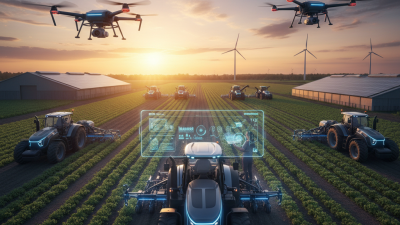
The agriculture and farming equipment sector is evolving rapidly. As we look ahead to 2026, trends indicate significant innovations. According to a recent report by MarketsandMarkets, the global agriculture equipment market is projected to reach $218.7 billion by 2026. This growth underscores a shift toward advanced technologies.
Farmers are increasingly investing in smart machinery. Equipment with IoT capabilities allows for real-time data collection. This helps optimize yields and reduce waste. However, adapting to new technologies can be challenging for many. Older generations may struggle with these advancements.
Sustainability remains a core focus in agriculture. A report from Grand View Research highlights the rise of electric farming equipment. This transition is crucial for reducing carbon footprints. Nevertheless, initial costs can deter farmers from making these investments. The balance between cost and innovation is vital for the future of agriculture and farming equipment.
Emerging Technologies in Agriculture Equipment for 2026
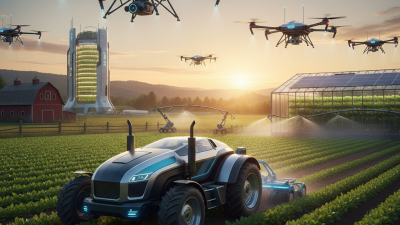
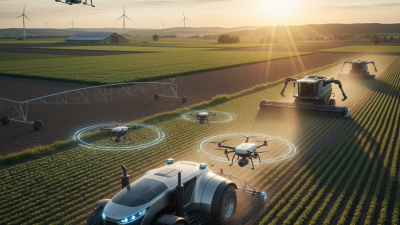
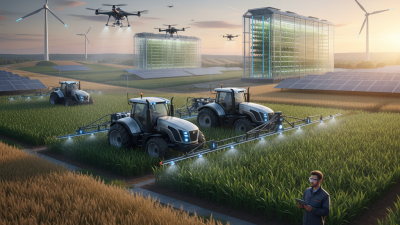
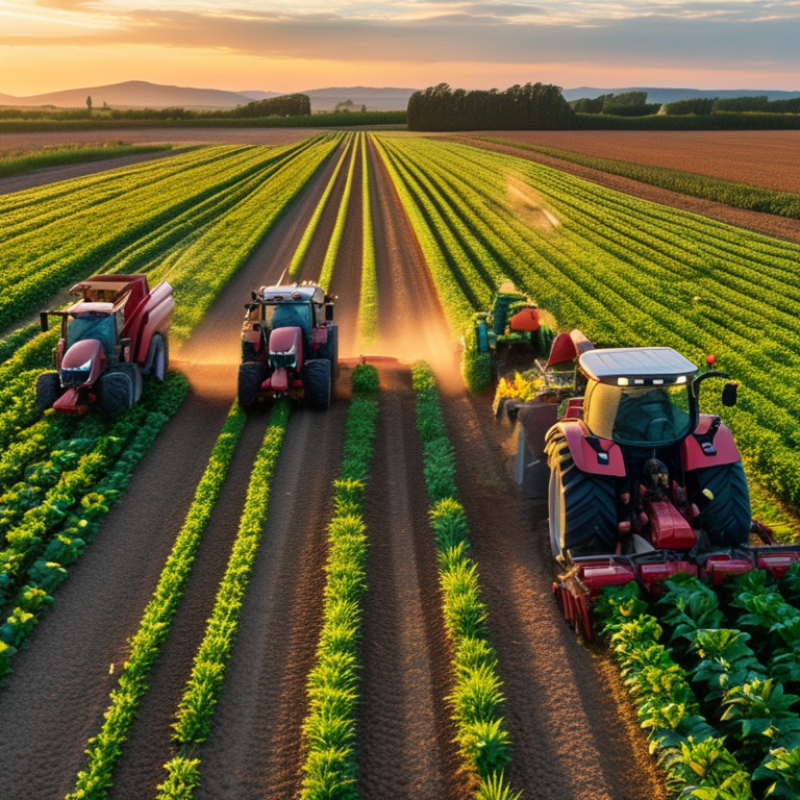
In 2026, agriculture equipment is set to undergo significant transformations. Emerging technologies will redefine how farmers work. Precision agriculture tools, such as drones and sensors, will allow for detailed monitoring of crops. These devices can provide real-time data, enhancing decision-making processes.
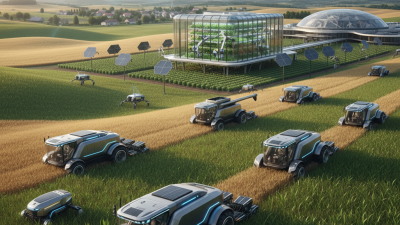
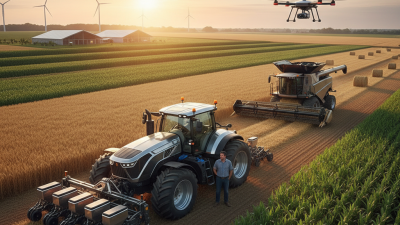
Automation will play a crucial role in farming. Autonomous tractors and robotic harvesters will take on heavy lifting. They promise to reduce labor costs while increasing efficiency. However, farmers may face challenges in integrating these technologies into existing systems.
Sustainability will be at the forefront of agricultural innovations. Equipment designed for better resource management will help reduce waste. Biodegradable materials in machinery could gain traction, although their reliability remains a concern. The shift towards renewable energy sources in farming equipment is also anticipated, but implementation hurdles must be addressed.
Sustainable Farming Practices and Their Influence on Equipment Trends
Sustainable farming practices are reshaping the agricultural landscape. As farmers seek to reduce their environmental impact, equipment trends are evolving. New technologies are focusing on precision farming. This approach maximizes yields while minimizing waste. These shifts invite farmers to reconsider traditional methods.
Tips: Invest in soil health. Healthy soil leads to better crop growth and sustainability. Consider crop rotation as a way to improve soil biodiversity.
Another important trend is the rise of automation in farming. Robotic equipment can reduce labor costs and improve efficiency. However, the initial investment can be daunting for many farmers. It’s crucial to weigh the long-term benefits against upfront costs.
Tips: Start small with automation. Test the waters with affordable tools before committing to larger systems. This allows farmers to assess their unique needs.
Adapting to sustainable practices can be challenging. The learning curve may be steep. Each farmer faces different constraints, but the potential benefits are significant. Embracing these changes can lead to a more resilient farming future.
Integration of AI and Automation in Farming Equipment Innovations
The integration of AI and automation in farming equipment is driving significant innovations in agriculture. According to a report by MarketsandMarkets, the agricultural AI market is projected to reach $4 billion by 2026. This growth reflects the increasing reliance on technology to enhance productivity and efficiency in farming operations.
Farmers are adopting smart machinery equipped with sensors and predictive analytics. These tools analyze soil conditions, monitor crop health, and optimize resource usage. For instance, autonomous tractors can perform tasks with minimal human intervention. This shift not only reduces labor costs but also minimizes human error, leading to better yields.
**Tip:** Start small by integrating basic AI tools into your farm operations. As you gain experience, consider expanding to more complex automated systems.
However, the transition to automated solutions isn't without challenges. High initial costs can be a barrier. Additionally, there is a learning curve associated with using advanced technology. Understanding these hurdles is crucial for making informed decisions about investing in smart agricultural equipment.
**Tip:** Invest in training for you and your team. Knowledge of these tools can significantly improve their effectiveness.
As technology evolves, ongoing adaptation is vital. Continuous education and field testing will help farmers stay ahead in a competitive market. Embracing change is essential, but it requires careful consideration and planning.
Top Agriculture and Farming Equipment Trends for 2026
This chart illustrates the projected adoption rates of various technological innovations in agriculture and farming equipment by 2026. The integration of AI and automation is expected to significantly enhance efficiency and productivity in the sector.
Impact of Climate Change on Agricultural Equipment Design
Climate change presents significant challenges for agriculture, requiring innovations in equipment design. Changes in temperature and precipitation patterns affect crop yields. Farmers need tools that can adapt to these shifting conditions. This demand drives a new focus on sustainable engineering and resource efficiency.
Designing agricultural equipment that conserves water is crucial. Drip irrigation systems and moisture sensors can help. These innovations optimize water usage and enhance crop resilience. However, manufacturers face the challenge of integrating these technologies into existing models. Ensuring ease of use remains a critical goal.
Durability is another consideration. Extreme weather events demand robust machinery that can withstand harsher conditions. Equipment should be lighter yet durable to reduce environmental impact during transport. Striking the perfect balance between strength and sustainability is not easy. The agricultural sector must embrace trial and error in pursuit of effective solutions.
Top Agriculture and Farming Equipment Trends for 2026 - Impact of Climate Change on Agricultural Equipment Design
| Trend |
Description |
Impact of Climate Change |
Expected Adoption Rate (%) |
| Precision Farming |
Utilizing technology such as GPS and IoT to monitor and optimize field variability in crops. |
Enhances resource efficiency and helps adapt to climate-induced changes in soil and crop behavior. |
75 |
| Robotics and Automation |
Use of drones and autonomous vehicles for planting, monitoring, and harvesting crops. |
Mitigates labor shortages and allows for precision in adverse weather conditions. |
65 |
| Sustainable Practices |
Adoption of practices such as crop rotation, cover cropping, and reduced tillage. |
Improves soil health and resilience to extreme weather patterns. |
70 |
| Biotechnology in Crops |
Incorporating genetically modified organisms (GMOs) for pest and drought resistance. |
Essential for producing resilient crops in a more unpredictable climate. |
60 |
| Water Management Systems |
Technologies for efficient irrigation, including drip irrigation and water sensors. |
Critical for conserving water amid increasing droughts due to climate change. |
80 |
Future Supply Chain and Distribution Trends in Farming Equipment
The farming equipment supply chain is undergoing significant changes. By 2026, farmers will increasingly rely on technology to streamline logistics and distribution. Data from the 2023 Agricultural Statistics Report indicates that 70% of farms are now using digital platforms for inventory management. This shift is making supply chains more efficient but presents challenges in digital literacy and access.
Transportation remains a major concern. The Global Supply Chain Report highlights that 60% of agricultural producers face delays due to outdated logistics methods. This inefficiency affects everything from seed delivery to harvesting equipment. Improved routing software could mitigate these issues, yet many farmers remain hesitant to adopt new technologies. The balance between tradition and innovation is critical.
Sustainability is another key factor. Future distribution systems will prioritize eco-friendly options. According to the Sustainable Agriculture Technological Report, over 50% of farmers will incorporate renewable energy sources in their operations by 2026. However, this transition often encounters resistance due to high upfront costs and regulatory hurdles. Continuous evaluation of these challenges is essential for farmers and distributors alike as they navigate this evolving landscape.