What is All Farm Equipment Types and Their Uses?
In modern agriculture, understanding all farm equipment is essential. Each piece of equipment serves a unique purpose, enhancing productivity and efficiency. Farmers make important decisions based on their needs. They must choose from various types of machinery, each crucial for specific tasks like planting, harvesting, or irrigation.
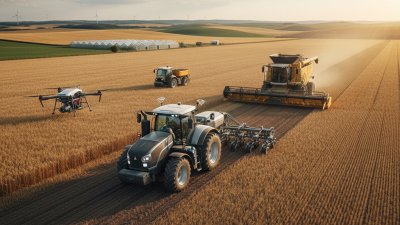
For instance, tractors are versatile. They can pull heavy loads and operate various attachments like plows. Another critical tool is the combine harvester. It streamlines harvesting by cutting, threshing, and separating grain efficiently. Yet, not all equipment is equally efficient for every situation. Sometimes, farmers struggle with equipment that does not fit their specific crop needs.
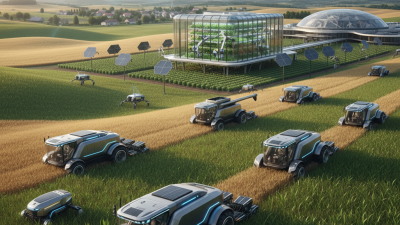
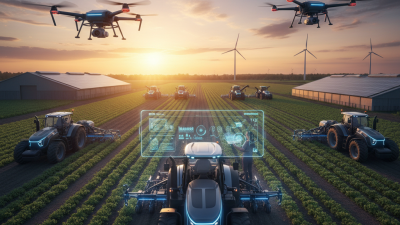
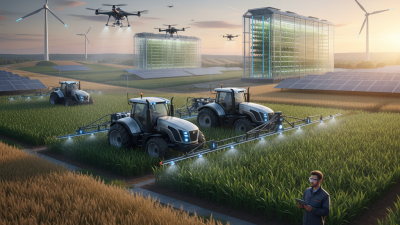
Exploring all farm equipment types allows farmers to understand options. There are also newer technologies, like drones, improving precision in monitoring crops. As agricultural practices evolve, so too will the tools farmers use. Equipment choices can significantly impact overall success. Understanding these options is not just helpful; it’s necessary for anyone in the farming industry.
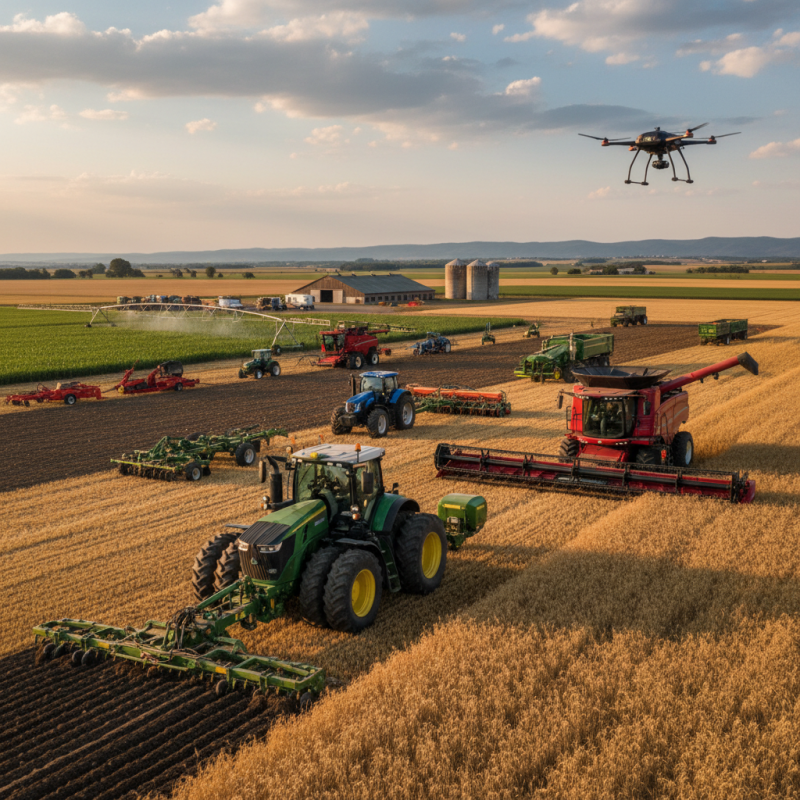
Overview of All Types of Farm Equipment
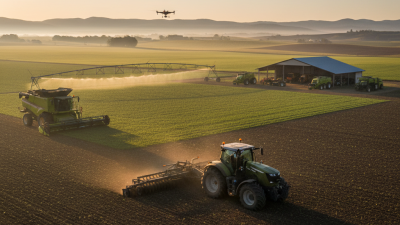
Farm equipment plays a crucial role in modern agriculture. Each type of equipment serves specific functions that enhance efficiency. Tractors are often the backbone of farming, helping with plowing and tilling. They can pull various attachments too, such as seeders and plows, enabling different tasks with a single machine.
Harvesting equipment is equally vital. Combine harvesters efficiently reap crops, separating grains from chaff in one go. Other tools, like balers, compact hay into bales, making storage easier. Yet, farming machines require regular maintenance. Neglecting this can lead to inefficiencies and costly repairs, reflecting the importance of proper care.
Additionally, specialized equipment like irrigation systems ensures crops receive adequate water. However, such systems can be expensive to install and operate. Farmers often face challenges in balancing cost and efficiency. Understanding the specific use of each equipment type helps in making informed decisions. It's a learning curve for many.
What is All Farm Equipment Types and Their Uses? - Overview of All Types of Farm Equipment
| Equipment Type |
Uses |
| Tractor |
Towing and operating various implements for plowing, planting, and cultivating. |
| Plow |
Turning and breaking up soil to prepare for planting. |
| Harvester |
Harvesting crops efficiently, cutting and gathering produce. |
| Seeder |
Planting seeds evenly and efficiently across fields. |
| Sprayer |
Applying fertilizers, pesticides, and herbicides to crops. |
| Baler |
Compressing and packaging hay or straw into bales for easy handling and storage. |
| Cultivator |
Aerating and loosening the soil to support crop growth. |
| Rake |
Gathering and moving loose materials like hay or leaves. |
| Irrigation System |
Supplying water to crops to promote growth. |
| Forklift |
Moving and lifting heavy loads, such as pallets of produce or feed. |
Essential Machinery for Crop Production
Essential machinery plays a critical role in crop production. Tractors are fundamental for various tasks, such as tilling, planting, and transporting. They provide the power needed to operate attached implements. However, many farmers struggle to choose the right type or size. Selecting the wrong tractor can lead to inefficiencies in the field, impacting yield.
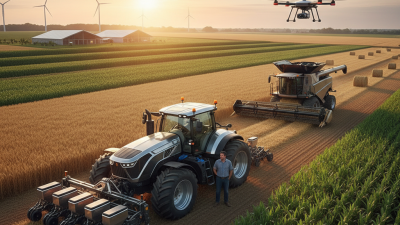
Another key piece of equipment is the seed drill. This machine ensures precise planting, which is vital for optimal crop spacing. When used improperly, it can result in uneven growth and wasted seed. The learning curve with a seed drill can be steep, yet proper training improves efficiency. Inadequate understanding of its settings may lead to poor crop establishment, highlighting the importance of ongoing education for farmers.
Additionally, combines are essential during harvest time. They streamline the process, allowing for faster collection of crops. However, maintenance can be overlooked, leading to breakdowns at crucial moments. Striking the right balance between machinery investment and upkeep is often challenging. Farmers are continually reassessing their techniques and equipment needs to enhance productivity and sustainability.
Types of Farm Equipment and Their Uses
Livestock Management Tools and Equipment
Livestock management is vital for successful farming. Farmers use various tools to effectively manage their animals. Common equipment includes troughs, feeders, and gates.
Troughs hold water and food. This ensures animals have consistent access.
Feeders help distribute food evenly, reducing waste. Gates control animal movement, ensuring safety.
Other essential tools include health management supplies. For example, vaccines are necessary for disease prevention. Farmers also use weighing scales to monitor animal growth.
Regular weighing helps track their health. Additionally, handling equipment, such as chutes, can alleviate stress during medical treatments.
Many farmers overlook the importance of observation. Understanding animal behavior is crucial for effective management. Noticing signs of distress can prevent bigger issues.
However, not all farmers have the training to interpret these signals properly. Implementing proper tools is just the start. Continuous learning is essential to improve livestock management practices.
Irrigation Systems and Water Management Devices
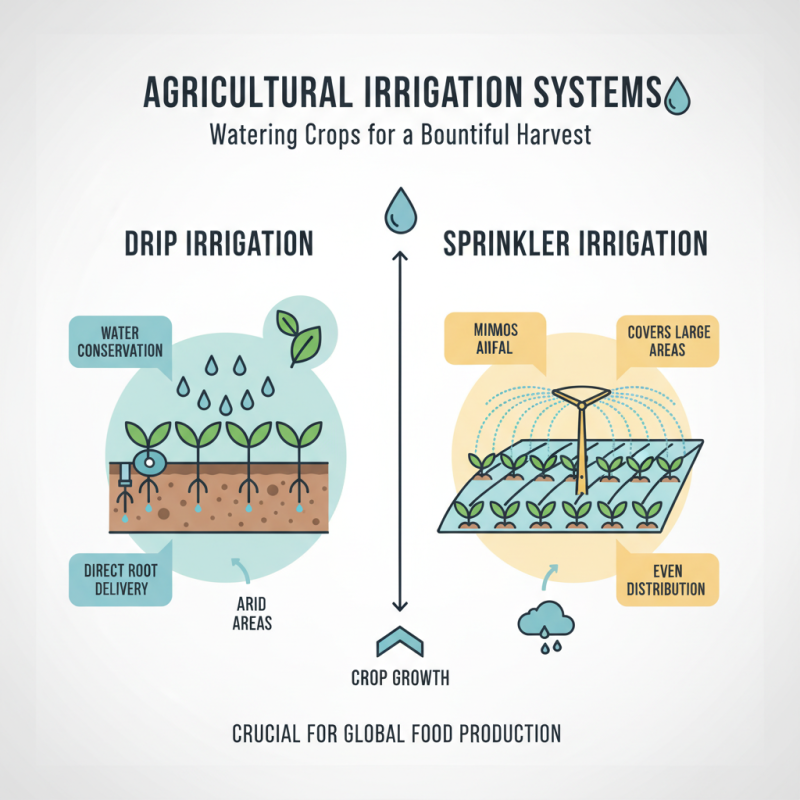
Irrigation systems play a crucial role in agriculture. They help provide water to crops, especially in dry areas. Farmers use various methods, such as drip and sprinkler irrigation. Each method has unique strengths. For example, drip irrigation delivers water directly to roots. This conserves water and reduces waste. Sprinkler systems mimic natural rainfall, covering larger areas.
Water management devices are equally important. They help monitor and control water use. Soil moisture sensors can signal when plants need water. This technology prevents overwatering, which can damage crops. Rainwater harvesting systems collect and store rain for later use. These systems enhance sustainability and save costs over time.
However, challenges remain. Not all farmers can access advanced technology. Training is essential to maximize efficiency. Some may underestimate the importance of water management. Learning to balance water supply with crop needs is vital. As agriculture evolves, so must our approach to water use and irrigation.
Post-Harvest Equipment for Processing and Storage
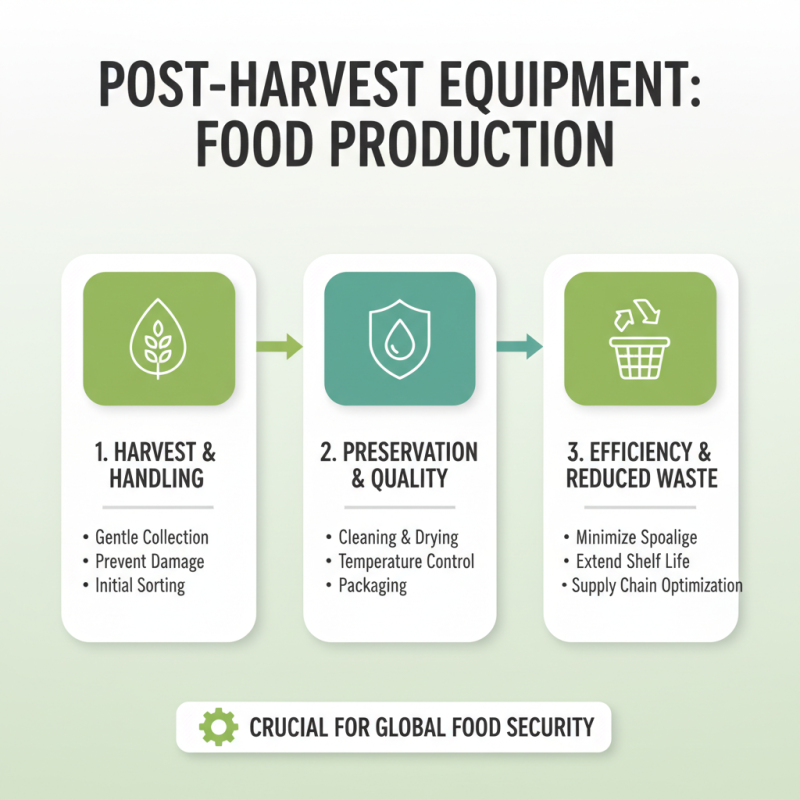
Post-harvest equipment plays a crucial role in food production. Once crops are harvested, they require careful handling and processing. This equipment helps to preserve quality and reduce waste. Effective management of post-harvest processes can significantly improve supply chain efficiency.
Grain dryers are essential tools in this phase. They remove excess moisture, preventing spoilage. Without proper drying, grains can become moldy or attract pests. Additionally, storage bins keep crops safe from environmental damage. They provide a controlled atmosphere, which is important for maintaining freshness.
Processing equipment, like seed cleaners and sorters, ensures only the best produce reaches the market. These machines help identify damaged or inferior products. However, relying too much on machinery can lead to overlooked details. Sometimes, human observation is still necessary to ensure quality. Equipment may malfunction, or there could be unforeseen issues. Addressing these weaknesses is key for effective post-harvest management.