10 Best Farm Equipment for Efficient Crop Production?
In modern agriculture, efficient crop production heavily relies on advanced farm equipment for improving yields. The right tools can make a significant difference. Many farmers face challenges with time management and labor. Using high-quality farm equipment for these tasks can alleviate those pressures.
Farm equipment for efficient crop production includes various machines designed for specific tasks. For instance, tractors can help with plowing and planting. Additionally, seeders enhance planting accuracy. Irrigation systems optimize water usage. However, not all equipment suits every farm. Farmers may need to assess their specific needs carefully.
Investing in the best farm equipment for crop production is crucial yet sometimes overwhelming. Each piece must be chosen based on the unique conditions of the land. It is essential to reevaluate what works best periodically. This approach helps ensure that crops thrive and production remains sustainable. Balancing innovation with practicality can lead to better outcomes, but the process is not always straightforward.
Essential Types of Farm Equipment for Crop Production Efficiency
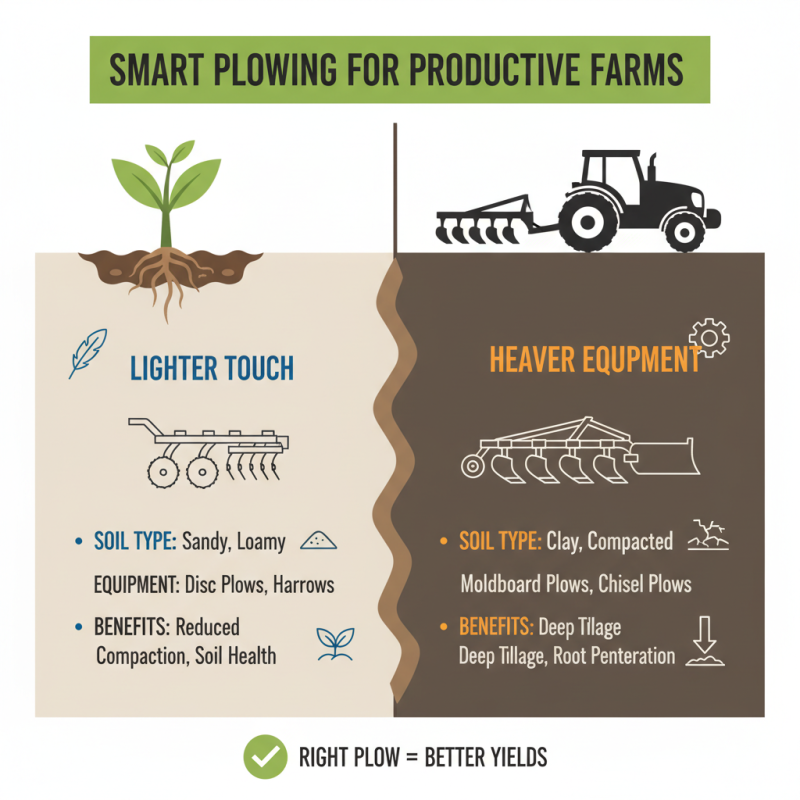
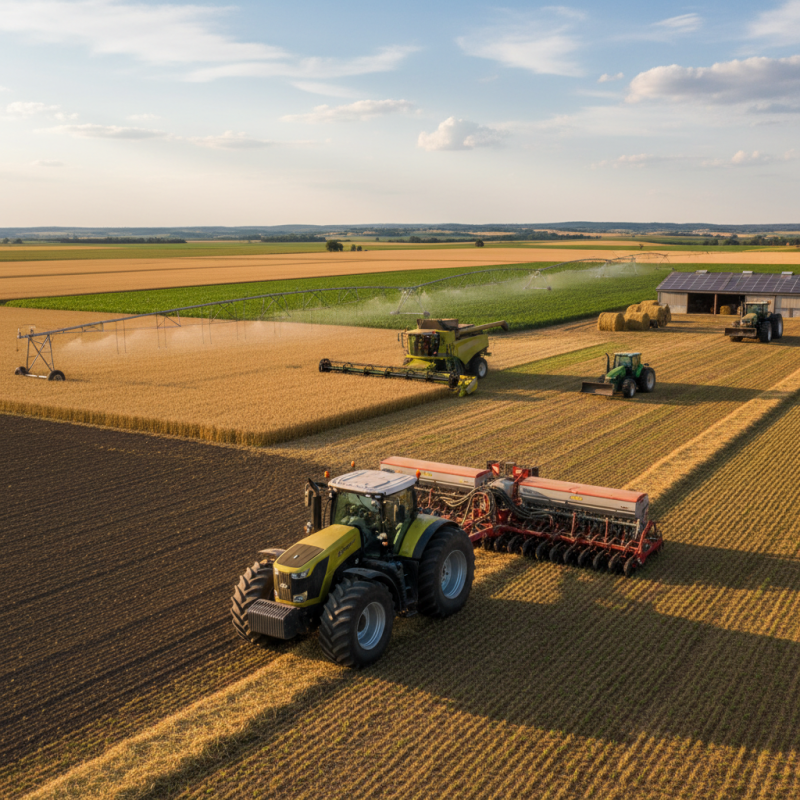
Efficient crop production hinges on the right selection of farm equipment. Plows break the soil, allowing roots to penetrate deeply. They prepare land for planting. However, the choice of plow matters greatly. Some soils require a lighter touch, while others need heavier equipment.
Seeders come next in the lineup. They ensure seeds are placed at optimal depths and spacing. Precision in planting can drastically improve yield. Yet, new farmers often overlook the importance of calibration. A well-calibrated seeder can make all the difference between a sparse crop and a bountiful harvest.
Harvesters save time when gathering crops. They can efficiently streamline the collection process, but maintenance is crucial. Neglecting regular checks can lead to breakdowns at the worst moments. Irrigation systems also play a vital role. Proper watering promotes healthy growth, but over-irrigation can lead to waterlogged fields. This balance is delicate and requires constant attention. Each piece of equipment contributes to overall efficiency, yet farmers must continually adapt to their unique conditions.
Benefits of Utilizing Modern Technology in Farming Equipment
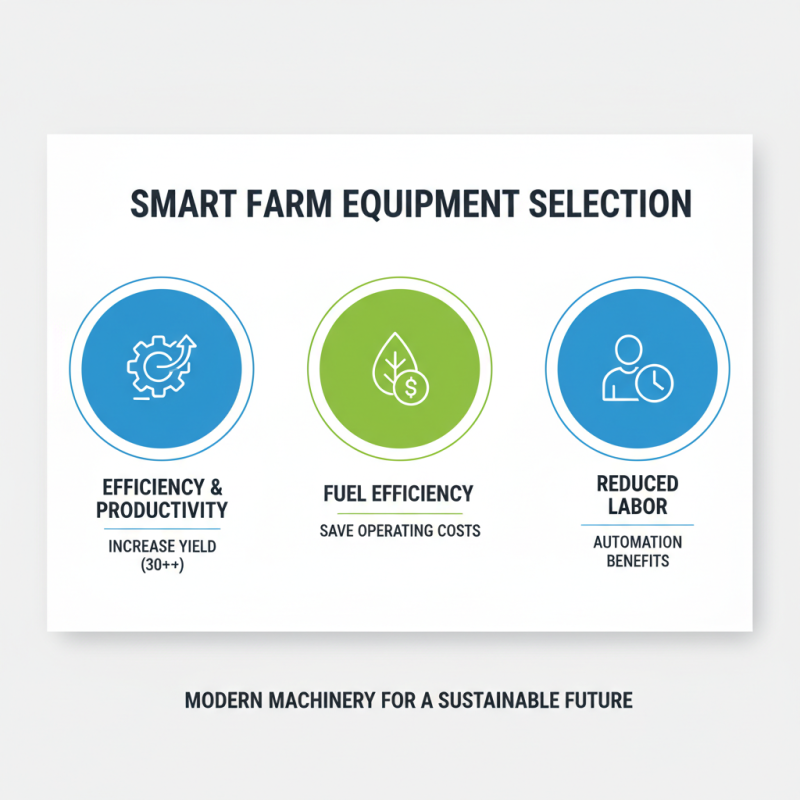
Modern technology has transformed farming equipment, enhancing efficiency in crop production. Utilizing advanced machinery helps reduce labor costs and improve yield. For example, precision farming tools optimize planting and fertilization. Farmers can now monitor soil conditions more accurately.
Tips: Always evaluate the technology that fits your specific needs. Sometimes, expensive equipment may not deliver the expected results. Look for simplicity and versatility in your choices.
Investing in modern equipment means embracing data analytics. This technology allows for informed decisions based on real-time data. However, overlooking training for your team can lead to underutilization of these tools. It’s important to address this gap.
Tips: Encourage continuous learning among your farm staff. This investment in knowledge ensures better use of modern equipment. Analyze the impact regularly to adjust practices when needed. This approach can lead to significant improvements in productivity.
Maintenance Tips for Maximizing the Lifespan of Farm Machinery
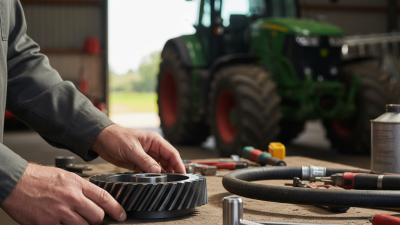
Maintaining farm machinery is crucial for longevity and efficiency.
Regular checks can prevent costly breakdowns. Efficiency is not just about having the latest equipment; it's also about
caring for what you own. Schedule routine inspections for all machinery. Look for signs of wear and tear.
It’s easy to overlook the small things, but neglect can lead to bigger issues.
Cleaning your equipment after each use is essential. Dirt and residue
can cause corrosion and other problems. Pay special attention to areas that are hard to reach. They often harbor hidden dirt.
Lubricating moving parts ensures smooth operation. It’s a simple task that many farmers forget. Not doing so can create
friction and wear over time.
Remember to store your machinery properly. Harsh weather can affect performance.
Keep equipment in a dry, sheltered area.
Consider investing in covers to protect against the elements. Taking these steps might seem tedious,
but they make a difference. A day spent on maintenance saves weeks of repairs later.
Aim for a proactive approach, but understand that issues
may still arise. Stay alert and keep an open mind for improvements.
Innovative Solutions: Future Trends in Agricultural Equipment Development
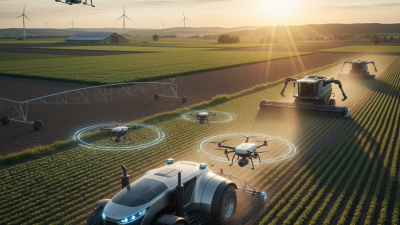
The landscape of agricultural equipment is undergoing a significant transformation. Smart farming technologies are becoming essential. Drones and sensors offer farmers real-time data. They help in monitoring crop health and soil conditions. However, these innovations can be costly. Smaller farms might struggle to keep up.
Automation is another exciting trend. Robotics are making their way into daily tasks. Yet, there are challenges to consider. Machines sometimes malfunction, leading to delays. Additionally, the reliance on technology can inadvertently reduce traditional farming skills. Balancing innovation with these skills is crucial.
Sustainable practices are driving equipment development. Lightweight materials and energy-efficient machines are gaining traction. They help reduce the carbon footprint of farming. But there's a question of accessibility. Not all farmers can afford these advanced solutions. The gap between technology-haves and have-nots may widen. It's essential to address these disparities in future developments.
10 Best Farm Equipment for Efficient Crop Production
| Equipment Type |
Purpose |
Key Features |
Efficiency Rating |
Future Trends |
| Tractor |
Plowing, Tilling |
High horsepower, GPS enabled |
85% |
Autonomous driving |
| Seeder |
Sowing Seeds |
Precision planting, variable rate |
90% |
Smart technology integration |
| Irrigation System |
Water Management |
Smart sensors, efficient water use |
88% |
Drones for monitoring |
| Harvesting Machine |
Crop Collection |
Multi-crop capabilities, speed |
95% |
Robotic arms |
| Soil Tester |
Soil Health Analysis |
Instant results, mobile app |
80% |
Big data integration |
| Fertilizer Spreader |
Nutrient Distribution |
Variable rate technology |
87% |
IoT connected |
| Pesticide Sprayer |
Plant Protection |
Drone-assisted application |
85% |
Controlled Environment |
| Baler |
Hay and Straw Collection |
Automated wrapping |
90% |
Energy efficiency |
| Greenhouse System |
Controlled Growing Environment |
Climate control, hydroponics |
92% |
Vertical farming integration |