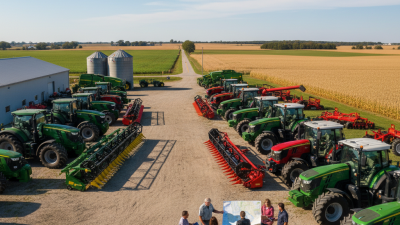
Choosing the best farm equipment for a small farm in 2026 starts with a simple question: which jobs consume the most time? A compact tractor may handle mowing, moving materials, and light tillage, but it may not suit every property. On a narrow, wet field, a lighter machine can leave less soil compaction. In a crowded barnyard, a small turning radius may matter more than engine power. Details like these shape a practical buying decision.
Farm equipment adviser Daniel Mercer offers this guiding rule: “Buy for the work you repeat, not the acreage you own.” Use that idea to compare tractors, loaders, mowers, tillers, and other essential tools. Check attachment compatibility, service access, storage space, and the cost of routine maintenance. Ask local dealers about parts availability and test machines on terrain similar to your own. Specs help. So does seat comfort after a long day. One point deserves a second look: the cheapest machine can cost more if it needs frequent repairs or cannot run the attachments you already own. This guide weighs those trade-offs and highlights equipment choices for different farm sizes, budgets, and workloads.
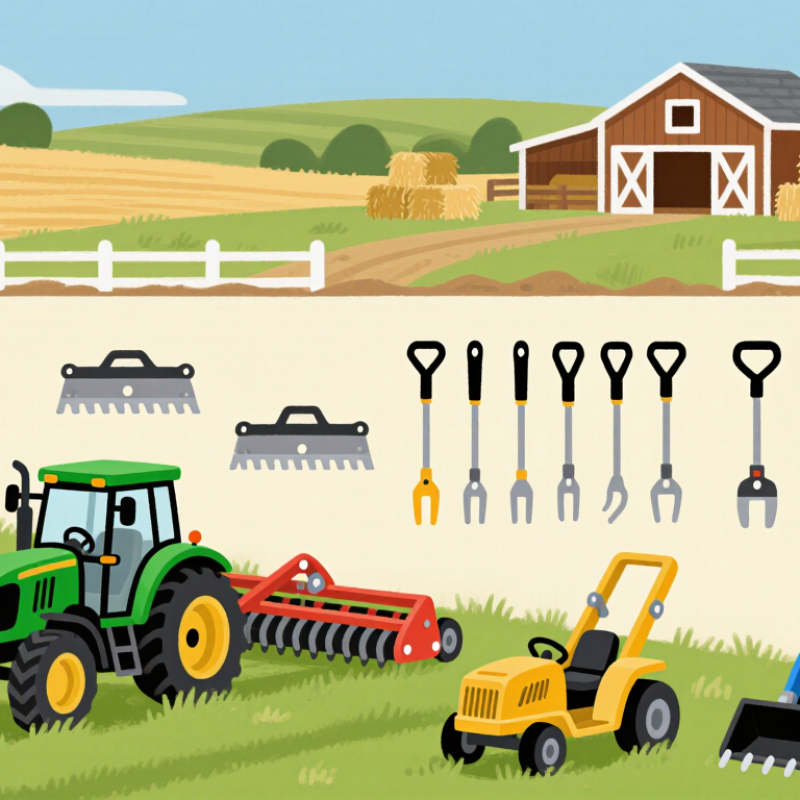
Start with the work. List the jobs that repeat each week: mowing paths, moving compost, preparing beds, hauling feed, or clearing snow. Estimate the hours each task takes during its busiest season. A small garden and a few livestock pens may need different tools, even on the same acreage.
Walk the land after rain. Note soft patches, narrow gates, steep slopes, and the distance between fields and storage. These details affect equipment size and weight more than acreage alone. Measure the tightest doorway before choosing a machine or attachment. It is an easy step to overlook. Also record what your existing tools can already handle; replacing a working tool may not solve the real bottleneck.
Set a realistic annual budget that includes fuel, routine servicing, storage, and repairs, not just the purchase price. Then compare equipment against specific tasks, available power, and operator experience. Renting or borrowing a tool for one busy season can reveal whether it earns its space. I once underestimated storage needs; a useful attachment left outside became a nuisance. Plans change, too, so leave some room for that.
For a small farm, the best tractor is the one sized for its heaviest regular job, not its biggest imaginable task. USDA ERS reported that small family farms made up 88% of U.S. farms in 2021. That points to a practical constraint: equipment must earn its space and upkeep. A compact utility tractor around 25–50 horsepower can suit mowing, light loader work, and garden preparation, but steep ground or heavy soil may demand more capacity. Match horsepower, lift capacity, and tire width to your actual workload. Test the turning radius in tight rows, too.
Useful implements include a front-end loader for compost and materials, a rotary cutter for rough grass, and a box blade for grading lanes. A mower or tiller may be worthwhile, but buying both before understanding the soil can leave one parked. Keep it simple. USDA NASS counted 1.9 million farms in its 2022 Census of Agriculture, with an average size of 463 acres; that average hides enormous differences in terrain and operation. It is not a small-farm blueprint. Before purchasing, list weekly tasks and estimate how often each implement will be used. I would rent or borrow a specialized tool first, if possible. A mismatched attachment can waste money—and tractor capacity.
For a small farm, useful equipment should fit the acreage, soil, and crops—not just look capable in a catalog. A compact tractor or walk-behind power unit can run a tiller, mower, or bed shaper, depending on the layout. For planting, a precision seeder helps keep rows even and reduce wasted seed. On tiny plots, though, hand tools may be quicker than setting up machinery. Keep it simple.
Irrigation needs vary with soil and weather. Drip lines deliver water close to plant roots and can reduce wet leaves, while sprinklers suit mixed beds and newly seeded areas. A filter, pressure regulator, and accessible shutoff valves make routine checks easier. Test the system before hot weather arrives. Small leaks add up.
For harvesting, choose tools around the crop: sharp knives and harvest totes for greens, or digging forks for root vegetables. A sturdy cart or small trailer saves repeated trips with crates, compost, and fencing supplies. Check tire width before buying; heavy loads can compact wet soil. I would avoid purchasing every attachment at once. A tool that sits unused still needs storage, maintenance, and repair time. Before expanding the equipment list, track which jobs take the most hours during a typical week.
Example sizing ranges for planting, irrigation, harvesting, and material handling equipment.
Ranges are approximate examples, not universal specifications. The chart compares working widths for planting and harvesting tools, dripline spacing for irrigation, and frame width for pallet forks. Check crop, soil, tractor, and site requirements before choosing equipment.
For a small farm, compare the full cost of ownership, not just the purchase price. Include fuel, repairs, storage, financing, and the implements needed for your actual jobs. A compact tractor may handle mowing, light tillage, and moving materials, but only if its horsepower, lift capacity, and hydraulics match those tools. Not horsepower alone. If you need a machine for only a few seasonal tasks, compare ownership costs with local custom-work rates. Iowa State University Extension’s 2024 Farm Custom Rate Survey provides regional hourly and per-acre benchmarks; rates vary, so use nearby figures rather than treating a statewide average as your quote.
Farm size helps narrow the choice, but acreage alone can mislead. USDA’s 2022 Census of Agriculture reported an average U.S. farm size of 463 acres, a figure that includes very different operations. A vegetable plot, a hay field, and a mixed livestock farm can need entirely different equipment at the same acreage. Map your tightest turning space, steepest slope, and most frequent jobs before choosing a machine. Then check whether one tractor can safely run the implements you need. I still find this easy to misjudge: a versatile setup can save money, yet changing tools takes time, and oversized equipment can compact wet soil. Compare used equipment carefully, too; a lower price may hide repairs or missing attachments.
For a small farm, long-term equipment value depends on care more than horsepower. Check engine oil, coolant, tire pressure, and hydraulic hoses before heavy work. After muddy days, clear packed soil from guards and cooling screens; trapped debris can hide leaks or cause overheating. Keep a simple service log with dates, hours, and parts replaced. It is easy to skip when harvest is busy. That is exactly when small faults become costly.
Safety deserves the same routine attention. CDC/NIOSH guidance reports that rollover protective structures used with seat belts are 99% effective in preventing death during tractor overturns. Fit the correct structure, buckle up, and keep the platform clear of loose tools. For newer technology, choose only features that solve a real task, such as guidance for repeated passes or alerts for service intervals. USDA’s 2023 Farm Computer Usage and Ownership report found that 85% of U.S. farms had internet access, while 50% used computers for farm business. Connected tools can help organize records, but coverage may fail in the field. Keep essential maintenance notes offline, too. A screen is helpful; it is not a substitute for looking beneath the machine.
Practical equipment choices for small farms, with typical capabilities and ownership considerations. Specifications and service intervals vary by machine; consult the operator’s manual and match equipment to your land, workload, and soil conditions.
| Equipment | Typical Small-Farm Fit | Useful Work | Maintenance Priorities | Safety and Technology | Long-Term Value |
|---|---|---|---|---|---|
| Compact utility tractor | About 25–50 engine horsepower is a common range for small farms; choose based on implement needs, terrain, and available storage. | Mowing, light tillage, hauling, snow clearing, and operating compatible implements. | Follow scheduled engine-oil, coolant, fuel-filter, air-filter, and transmission-fluid checks; inspect tires, belts, hoses, and hydraulic leaks. | Use rollover protective structure (ROPS) with the seat belt; keep the power take-off (PTO) shield in place. A basic hour meter helps track service. | A versatile core machine when sized to the workload. Check parts availability, service access, attachment compatibility, and total operating cost before purchase. |
| Front-end loader | A tractor-mounted loader selected to match the tractor’s approved capacity and stability limits. | Moving manure, compost, soil, feed, and other bulky materials over short distances. | Inspect hydraulic hoses and couplers, pins, bushings, bucket edges, and fasteners; lubricate pivots as directed. | Carry loads low, avoid sudden turns, and use suitable rear ballast. Never work beneath a raised loader without approved support. | High utility when material handling is frequent. A quick-attach interface can make compatible bucket and fork changes easier. |
| Rotary cutter | Choose a cutting width and required power that suit the tractor, pasture, and vegetation; check the implement’s specified PTO speed. | Maintaining pasture, field edges, and rough areas with grass or light brush within the cutter’s rating. | Inspect blades, blade bolts, driveline, guards, gearbox oil, and deck condition. Replace damaged shields before operation. | Keep people clear of thrown objects; avoid mowing near hidden debris. Stop the PTO and engine before clearing or servicing. | A durable option for rough mowing when maintained and used within its limits. A slip clutch or shear-bolt driveline can help protect equipment from shock loads. |
| Rotary tiller | Match working width, tilling depth, and PTO requirements to the tractor and the size of the garden or cultivated area. | Preparing seedbeds and incorporating residue where tillage is appropriate for the soil and crop system. | Check tines, fasteners, driveline guards, gearbox oil, and chain case according to the manual; clean soil from moving parts after use. | Disengage the PTO before adjustments. Avoid operating in unsuitable wet soil, which can cause compaction and poor soil structure. | Useful for intensive garden work, but not necessary for every farm. Consider reduced-tillage methods where they fit the cropping plan. |
| Utility trailer | Select a rated payload, hitch, brakes, and tires appropriate for the tractor or towing vehicle and the route. | Transporting tools, produce, fencing supplies, and other farm materials. | Check tire pressure and condition, wheel bearings, lights, hitch, safety chains, and brake function where fitted. | Stay within the tow vehicle’s rated capacity; balance and secure the load. Follow applicable road rules when traveling off the farm. | A relatively simple, multipurpose asset. Replace worn tires and damaged hitch components promptly, and store it on stable ground. |
| Two-wheel walk-behind tractor | A compact alternative for small plots, narrow beds, and sites where a larger tractor is impractical. | Depending on compatible attachments: light tilling, mowing, and hauling on suitable terrain. | Maintain engine oil, air filter, tines or blades, cables, fasteners, and attachment connections as specified by the manufacturer. | Use the correct attachment guards and footwear; keep hands and feet away from moving parts and shut down before clearing blockages. | Can reduce storage and access demands on small acreage. Its value depends on available attachments, operator comfort, and local repair support. |
| Battery-powered hand tools | Suitable for lighter, intermittent jobs; runtime and battery capacity should match the task and charging access. | Pruning, trimming, and small repairs with compatible saws, trimmers, and other tools. | Keep cutting parts sharp, clean tools after use, inspect batteries and chargers, and store batteries within their specified temperature range. | Use the tool’s guards and personal protective equipment. Remove or isolate the battery before changing accessories or servicing. | Lower routine engine-related servicing than fuel-powered alternatives, but battery replacement and system compatibility should be included in lifecycle costs. |
Selection tip: prioritize equipment that safely handles your most frequent jobs, can be maintained locally, and is compatible with your existing implements. Always follow the equipment manual, use appropriate personal protective equipment, and keep guards and safety devices in place.