How to Choose the Best DC Car Fridge for Your Needs?
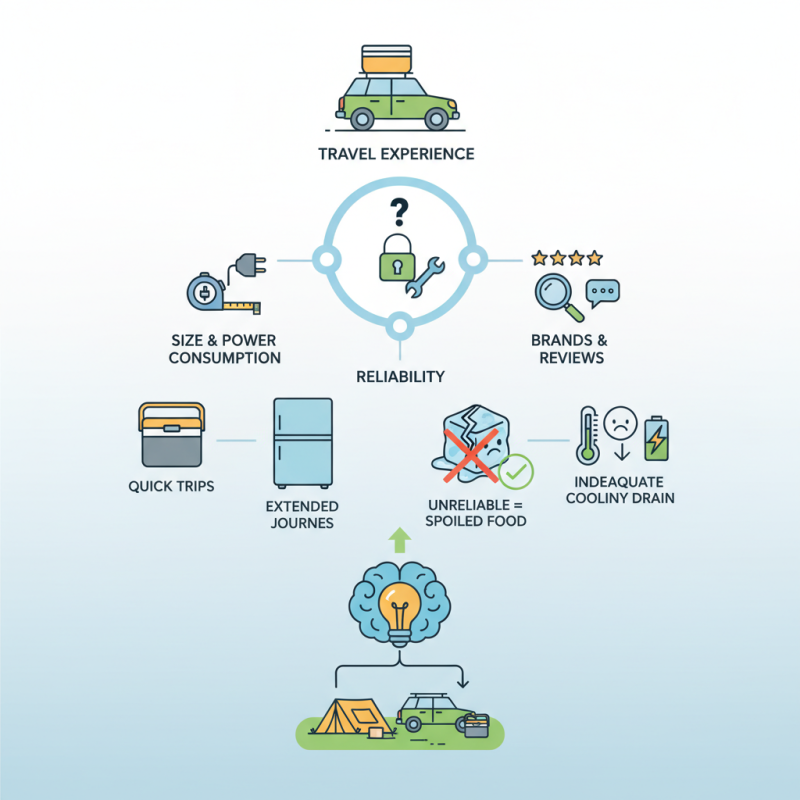
Choosing the right Dc Car Fridge can be a daunting task. With many options available, knowing what suits your needs is essential. A DC car fridge is not just about keeping drinks cold; it’s about enhancing your travel experience.
When selecting a DC car fridge, consider size and power consumption. You might need a compact model for quick trips or a larger one for extended journeys. Look beyond the surface features. Reliability is key, especially during long road trips. An unreliable fridge could spoil your food or drinks, leading to frustration.
Evaluate brands that have a reputation for quality. Reading reviews can provide valuable insights. It’s important to acknowledge that not all fridges meet user expectations. Some may lack adequate cooling, while others might drain your car battery faster than anticipated. Reflecting on these aspects will help you make an informed choice.
Understanding Different Types of DC Car Fridges and Their Features
When selecting a DC car fridge, understanding the various types available is crucial. Common options include thermoelectric coolers, compressor fridges, and absorption refrigerators. Thermoelectric coolers are lightweight and energy-efficient. They work well for short trips and can cool items effectively. However, their performance may dip in extremely hot weather, which is something to consider.
Compressor fridges, in contrast, offer superior cooling capabilities. They maintain lower temperatures consistently, making them suitable for long journeys or camping trips. The downside is they tend to be heavier and consume more power. Lastly, absorption refrigerators utilize heat sources for cooling. They are versatile but usually more expensive. Users might find them less portable and slower to cool down. Evaluating these features against your needs is essential. Reflecting on your travel habits will help you identify what type best fits your lifestyle.
How to Choose the Best DC Car Fridge for Your Needs?
| Type | Cooling Capacity (Liters) | Power Consumption (W) | Weight (kg) | Special Features |
| Portable Compressor Fridge | 30 | 50 | 15 | Dual zone, digital thermostat |
| Thermoelectric Fridge | 20 | 40 | 10 | Lightweight, quiet operation |
| Absorption Fridge | 40 | 70 | 20 | Gas/electric operation, no moving parts |
| Mini Fridge | 15 | 30 | 5 | Compact design, easy to carry |
Evaluating Energy Efficiency Ratings: Importance for Longevity and Performance
When selecting a DC car fridge, energy efficiency is crucial. High energy ratings indicate that the fridge consumes less power over time. This can be especially important during long road trips. If your fridge uses too much energy, it may drain your car battery. Choosing a model with better efficiency can save you money in the long run.
Consider the fridge's insulation and cooling technology. A well-insulated unit will maintain low temperatures without using excessive energy. Look for fridges that offer different cooling settings. This allows you to adjust performance based on your needs. Low power consumption can also mean a quieter operation, which enhances your travel experience.
Some users may find high-efficiency models to be pricier at first glance. However, the savings over time often justify the initial investment. Reflecting on the energy ratings ensures you choose wisely. A fridge that lasts longer and works efficiently is always worth considering.
Energy Efficiency Ratings of Popular DC Car Fridges
Key Considerations for Size and Capacity in Car Fridge Selection
When choosing a DC car fridge, size and capacity are essential factors. A typical car fridge ranges from 20 to 60 liters. Smaller models, around 20-30 liters, are ideal for short trips or snacks. However, for longer journeys or families, a larger capacity is crucial. Research highlights that about 68% of travelers prefer fridges that can store a week’s worth of food. Thus, considering your travel habits is necessary.
It’s also important to think about how much space is available in your vehicle. Some fridges fit well in compact cars, while others require more room. Ensure the unit doesn't obstruct your view or take up too much cargo space. A well-designed fridge can maximize utility without overwhelming the interior. The layout matters; some models offer flexible compartments that allow for better organization.
Another point of reflection is energy efficiency. DC fridges generally consume between 30-70 watts of power. Using energy-efficient models prolongs battery life, especially during off-grid excursions. Yet, some consumers overlook this, leading to dead batteries on trips. Therefore, a careful evaluation of both size and energy requirements can greatly enhance your travel experience.
Assessing Cooling Technologies: Compressor vs. Thermoelectric Systems
When it comes to choosing a DC car fridge, understanding the cooling technology is vital. Compressor systems are popular for their efficiency and ability to reach low temperatures quickly. They operate similarly to household refrigerators, making them ideal for long trips. However, they can be noisy and may require more power.
On the other hand, thermoelectric coolers work differently. They utilize a simple Peltier effect, which means they're quieter and lighter. This makes them suitable for short outings or camping scenarios. However, their cooling power is limited. They might not keep items icy cold in hot weather.
Assessing your needs is essential. Consider how often you will use the fridge and for how long. Do you frequently travel in high temperatures? A compressor fridge could be more beneficial. If you need something portable for occasional outings, thermoelectric models might suffice. Reflection on these factors can lead to a more informed decision.
Budgeting for Your Purchase: Price Ranges and Long-Term Value Insights
When budgeting for a DC car fridge, understanding the price ranges is paramount. Basic models can start as low as $50. However, mid-range options typically cost between $100 to $300. For high-end models, prices can escalate from $300 to over $800. These variations reflect different capacities, cooling efficiencies, and additional features like dual-zone functionality. As per industry reports, features often justify a higher price. Investing in a fridge with better insulation or energy efficiency may save money in the long run through reduced power consumption.
Assessing long-term value requires considering several factors. A fridge with higher upfront costs might offer longevity and reliability. Some high-quality products boast warranties extending to three years or more, indicating manufacturers’ confidence. Moreover, energy-efficient models could cut power consumption by up to 50%, according to recent studies. While the initial investment is higher, savings in electricity bills can be substantial over time. Reflect on how frequently you travel and your storage needs. Choosing a cheaper model might be tempting, but reliability and efficiency should guide your decision. Always weigh immediate savings against future expenses.