How to Choose the Best Picosecond Laser Diode for Your Needs?
When selecting a Picosecond Laser Diode, understanding your specific needs is crucial. These devices vary widely in application and effectiveness. Aimed primarily at skin rejuvenation, tattoo removal, and pigmentation issues, the right choice can significantly impact results. Experience in this field reveals that not all picosecond lasers are created equal.
For those new to this technology, knowing what to look for can be daunting. Factors such as pulse duration, energy delivery, and wavelength are vital. Each parameter plays a role in how effectively the diode treats various skin conditions. Moreover, reliability and brand reputation should not be overlooked. Engaging with experts or trusted sources can provide valuable insights and recommendations.
It's also essential to reflect on the intended purpose of the laser. Do you plan to use it professionally or for personal treatments? An informed decision supports better outcomes. Understanding the nuances of Picosecond Laser Diodes will empower you to choose wisely, ensuring optimal satisfaction with your investment.
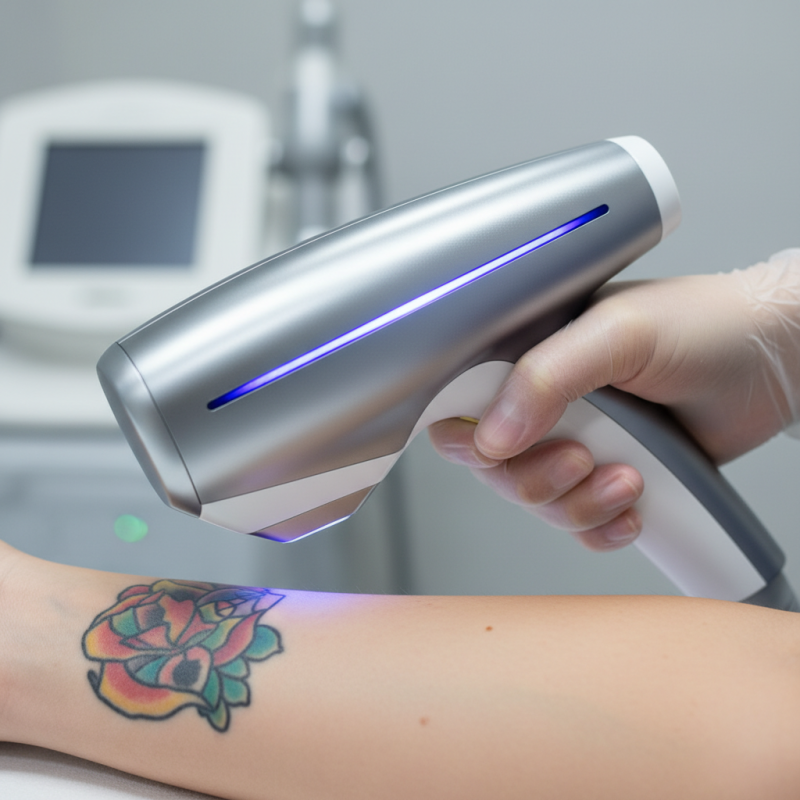
Understanding Picosecond Laser Technology and Its Applications
Picosecond laser technology is revolutionizing multiple industries. It operates on the principle of emitting extremely short light pulses, typically lasting one trillionth of a second. This technology allows for precise treatment, making it ideal for applications in dermatology, optical communications, and material processing.
In dermatology, picosecond lasers are gaining attention for their effectiveness in treating skin conditions. They can target pigmentation issues without harming surrounding tissues. For instance, patients with tattoos can benefit from quicker removal sessions, often experiencing less discomfort. However, the learning curve for operators must be considered. Proper training is essential to harness the laser's full potential while minimizing side effects.
Additionally, picosecond lasers are making waves in manufacturing sectors. Their ability to create intricate designs on various materials is unmatched. Yet, achieving the desired outcome may require multiple trials. Users should remain patient and adaptable. Understanding the specific requirements of each application, such as wavelengths and energy levels, is crucial for optimal results.
How to Choose the Best Picosecond Laser Diode for Your Needs?
| Parameter | Description | Recommended Value |
| Wavelength | The specific wavelength of the laser beam, affecting absorption and treatment suitability. | 750 - 1064 nm |
| Pulse Duration | The length of time the laser pulse lasts, crucial for minimizing heat damage. | < 10 picoseconds |
| Energy Output | Total energy delivered in a single pulse, impacting treatment effectiveness. | 1 - 10 mJ |
| Repetition Rate | How often the laser produces pulse, affecting treatment speed. | 1 - 100 Hz |
| Spot Size | Diameter of the laser beam spot on the skin, influencing precision and coverage. | 1 - 5 mm |
| Cooling System | Technology used to cool the skin during treatment, enhancing comfort and safety. | Integrated contact or air cooling |
| Treatment Types | Range of conditions the device can treat, such as tattoo removal, skin rejuvenation, etc. | Tattoo, acne scars, pigmentation |
Key Factors to Consider When Choosing a Picosecond Laser Diode
Choosing the right picosecond laser diode requires careful consideration of several key factors. One important aspect is the wavelength. Different wavelengths suit various applications like dermatology or industrial use. Ensure that the selected wavelength matches your specific needs for optimal performance.
Another critical factor is the pulse duration. Shorter pulse durations allow for more precise energy delivery, reducing thermal damage to surrounding tissues. This characteristic is especially vital in medical applications. Consider what pulse duration aligns with your intended application to achieve the desired outcomes.
Tips: Always evaluate the power and energy output of the diode. Higher power may be necessary for certain applications but might also increase risks.
End-user feedback can be insightful too. Reach out to industry professionals who have experience with picosecond lasers. Their insights can highlight both strengths and weaknesses in potential choices. Assessing real-world experiences can mitigate risks and enhance confidence in your decision.
Comparing Different Picosecond Laser Diode Models and Specifications
When selecting a picosecond laser diode, it’s essential to compare various models and specifications. Each model has unique features that cater to specific applications. Look for parameters such as pulse width, peak power, and cooling systems. A diode with a shorter pulse width can offer better precision for delicate procedures. This aspect may be crucial if you're working in sensitive medical fields or high-resolution imaging.
Understanding the thermal management of a laser diode is vital. Some models have advanced cooling systems to maintain performance, while others may struggle under prolonged use. If overheating is a concern, look for diodes with efficient heat dissipation. Overheating can lead to reduced performance and ultimately affect your desired results.
Tips: Ensure your chosen model meets your specific application needs. Always consider the diode's efficiency and reliability ratings. Researching user feedback can provide insights into real-world performance. Sometimes, the best option may not be the most expensive model, but one that fits your particular requirements. Don't hesitate to ask for expert reviews from professionals who have used these devices extensively.
Evaluating the Manufacturer's Reputation and Support Services
When evaluating a picosecond laser diode, the manufacturer's reputation is crucial. A reliable manufacturer often has a rich history, showcasing expertise in the field. Look for companies with solid customer reviews. They reveal the reliability and performance of the equipment. A transparent manufacturer shares detailed product specifications and clinical studies to back their claims.
Support services are just as important as product quality. First-rate support includes responsive communication and technical assistance. Check if the manufacturer provides training sessions for users. This can be a significant indicator of their commitment to customer satisfaction. Additionally, assess the warranty offered. A strong warranty can reflect a manufacturer’s confidence in their product.
It’s wise to consider not only the technical specifications but also the overall experience. Some manufacturers may excel in product quality but falter in service. Investigate testimonials for insights on support response times. This could lead to better decision-making. Ultimately, balancing these aspects helps in choosing the best picosecond laser diode that genuinely meets your needs.
Budgeting for Your Picosecond Laser Investment and Maintenance Cost
Budgeting for a picosecond laser can be challenging. These devices require a significant investment. It’s essential to conduct thorough research and evaluate your financial capacity. Determine how much you can allocate for initial purchase costs. Consider future expenses as well, such as maintenance and repairs.
Maintenance costs can be overlooked. Regular service is crucial for optimal performance. Expect to set aside a budget for replacement parts and professional servicing. Calculate these expenses in advance to avoid surprises. A well-maintained laser can save money in the long run. However, some users underestimate these costs. This can lead to financial strain.
Evaluate the long-term benefits versus the upfront costs of the laser. You’ll want a device that serves your needs effectively. An investment in a quality picosecond laser can enhance treatment outcomes. However, it’s important to balance costs with potential returns. Reflecting on these factors is key to making an informed decision.