How to Choose the Best Mechanical Car Parking System for Your Needs?
Choosing the right Mechanical Car Parking System can be a daunting task. With various options available, understanding your unique needs is crucial. These systems offer innovative solutions to common parking challenges, maximizing space and enhancing convenience.
Consider factors such as dimensions, technology, and capacity. Each system has its strengths and weaknesses. A well-designed Mechanical Car Parking System can save time and reduce congestion. However, some systems might require significant investment or maintenance. Investing time in research can prevent costly mistakes.
Don’t hesitate to seek expert advice. Consulting with professionals can provide insights tailored to your situation. Reflecting on your past experiences and specific requirements will help in making an informed choice. Personalization and practicality should guide your decision in selecting the best Mechanical Car Parking System for your needs.
Understanding Different Types of Mechanical Car Parking Systems Available
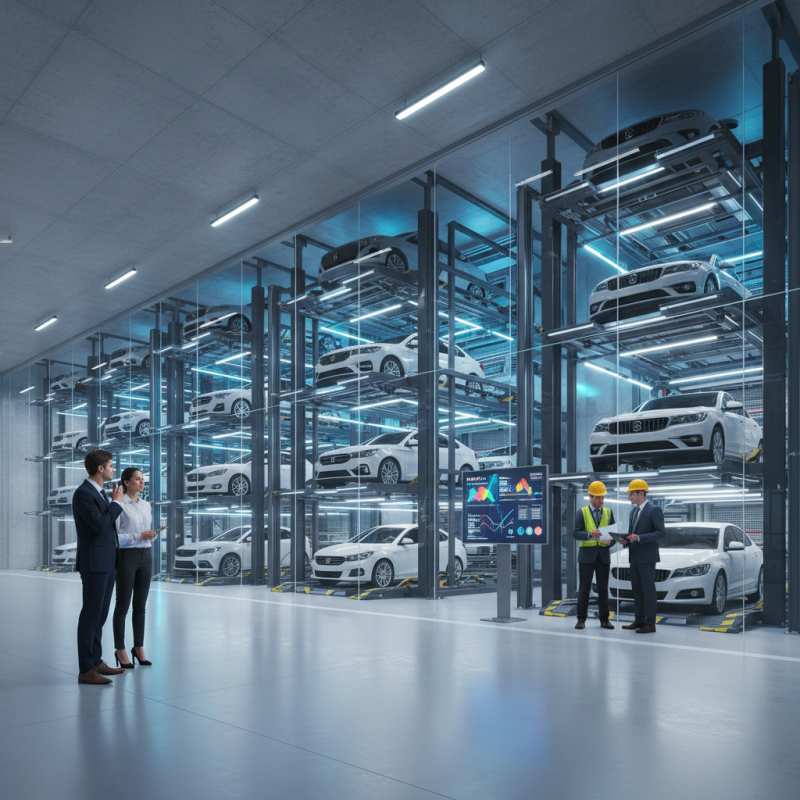
When selecting a mechanical car parking system, it's essential to understand the various types available. The most common systems include puzzle parking, elevator systems, and automated multi-story parking. Each type has unique features that cater to different needs. Puzzle parking systems are compact and ideal for urban environments where space is limited. They function by stacking cars in a specific arrangement, allowing multiple vehicles to be parked in a smaller footprint.
Tips for choosing the right system include assessing your space requirements. Measure available dimensions carefully. This ensures the system will fit and operate effectively. Consider the number of vehicles you need to park. Understand the frequency of access. Some systems work better for high turnover rates. Check user feedback and performance ratings to gauge reliability.
Stability and safety are crucial aspects too. Look for systems that comply with safety standards. Check reviews to see any reported issues. Automated parking systems can be complex, sometimes leading to operational challenges. Be prepared for maintenance needs and technical support. Not all systems are equally user-friendly, so test them if possible.
Evaluating Space Requirements and Layout for Optimal Parking Efficiency
When selecting a mechanical car parking system, assessing space requirements and layout is crucial. According to a report from Research and Markets, efficient parking layouts can increase vehicle capacity by up to 50%. This increase can significantly alleviate congestion in urban environments, where parking space is often limited.
Consider the dimensions of your space. A compact area may benefit from a vertical parking system. These systems maximize height, allowing for greater vehicle stacking. Data from the International Parking Institute suggests that vertical systems can fit 60% more cars than traditional layouts. However, not every space can accommodate such systems. The overall design must prioritize accessibility while adhering to safety regulations.
It’s vital to evaluate your specific needs. Factors like user volume and vehicle types will influence your choice. Misjudging these requirements often leads to inefficiencies. For instance, heavy vehicle loads in a system designed for smaller cars can cause wear and affect reliability. A study highlighted that improper planning can lead to systems that underperform, resulting in frustration and wasted resources. Assessing your layout accurately is the key to enhancing overall parking efficiency.
Comparing Installation Costs and Long-Term Maintenance for Budgeting
When selecting a mechanical car parking system, understanding the installation costs and long-term maintenance is crucial for effective budgeting. A recent industry report indicated that installation costs can range from $15,000 to $50,000 for commercial systems, depending on their complexity and capacity. Residential systems typically start around $10,000. These initial expenses can vary significantly based on geographical location, accessibility, and specific project needs.
Long-term maintenance is another critical factor. According to the American Society of Mechanical Engineers, routine maintenance can range from 1% to 5% of the initial installation cost annually. Unexpected repairs can burden budgets significantly. Users should anticipate costs associated with software updates, wear and tear, and periodic inspections.
Tip: Always seek multiple quotes from certified installers to gauge a fair price.
Moreover, consider how the system designs fit with your overall space. It’s important to analyze space efficiency and user-friendliness. Some systems might require adjustments to existing structures. When evaluating options, look for systems with proven reliability and user ratings.
Tip: Research maintenance history and warranty options for prospective models. This can provide insight into long-term sustainability and performance.
Assessing Safety Features and User Accessibility in Parking Systems
When selecting a mechanical car parking system, safety features should be a top priority. Look for systems with robust safety mechanisms. These may include automatic sensors that prevent collisions. Additionally, emergency stop buttons are essential for user safety. Systems should also have safety certifications to ensure compliance with industry standards. Choosing features like anti-tip designs can also enhance security, especially in multi-level structures.
User accessibility is another crucial factor. Consider systems that are easy to operate for everyone. Intuitive interfaces can enhance user experience. Moreover, the design should accommodate various vehicle sizes, including larger cars and SUVs. Some parking systems may even provide features for disabled users, such as wider entry and exit spaces.
While selecting a system, think about potential flaws. Some systems may require extensive maintenance. This can lead to downtime, causing frustration. It’s also possible that complex controls may confuse users. Addressing these concerns during the selection process is vital. A good balance of safety and accessibility ensures a more successful parking solution.
How to Choose the Best Mechanical Car Parking System for Your Needs? - Assessing Safety Features and User Accessibility in Parking Systems
| System Type | Capacity (Cars) | Safety Features | User Accessibility | Installation Cost |
| Parker 3000 | 20 | Emergency stop, safety barriers | User-friendly interface, smartphone app | $25,000 |
| EasyPark 5000 | 40 | Fire safety sensors, automatic door locking | Touchscreen controls, voice commands | $35,000 |
| ParkSmart 7000 | 25 | Anti-collision technology, alerts | Remote access, lane assist | $30,000 |
| SecureSpace 1000 | 15 | Multi-layered security, emergency alarms | Easy access points, durable materials | $20,000 |
Analyzing Capacity and Turnaround Time to Maximize Space Utilization
When choosing a mechanical car parking system, understanding capacity and turnaround time is crucial. An effective system maximizes space utilization. According to a 2022 industry report, parking systems can increase space by up to 60%. This can significantly impact urban areas where parking is a premium.
Turnaround time refers to how quickly a system can park or retrieve a vehicle. Efficient systems can offer turnaround times as low as 2 minutes. However, not every solution achieves this. Some systems may encounter delays due to design flaws or maintenance issues. A poorly managed system can frustrate users, negating the benefits of increased capacity.
Additionally, consider the layout of your parking facility. Certain designs may reduce efficiency. For example, some systems may require more space for machinery, leaving less for actual vehicle parking. Ultimately, the right choice balances space optimization with reliable and quick vehicle retrieval. Each facility has unique needs, and understanding these factors will guide you in making an informed decision.
Analysis of Mechanical Car Parking Systems: Capacity vs. Turnaround Time