How to Choose the Best Titanium Dioxide White Paint?
Choosing the right Titanium Dioxide White Paint is crucial for many projects. Titanium dioxide (TiO2) is a key ingredient in paint. It provides excellent opacity and brightness. According to industry reports, around 70% of all commercially used paints contain titanium dioxide. This pigment is preferred for its durability and weather resistance.
Not all titanium dioxide paints are created equal. Different grades and formulations exist. Some may not meet quality standards, leading to poor coverage and shorter lifespan. Making an informed choice is essential. The market is filled with options, but how do you find the best one? Choosing the wrong variant can result in disappointing results.
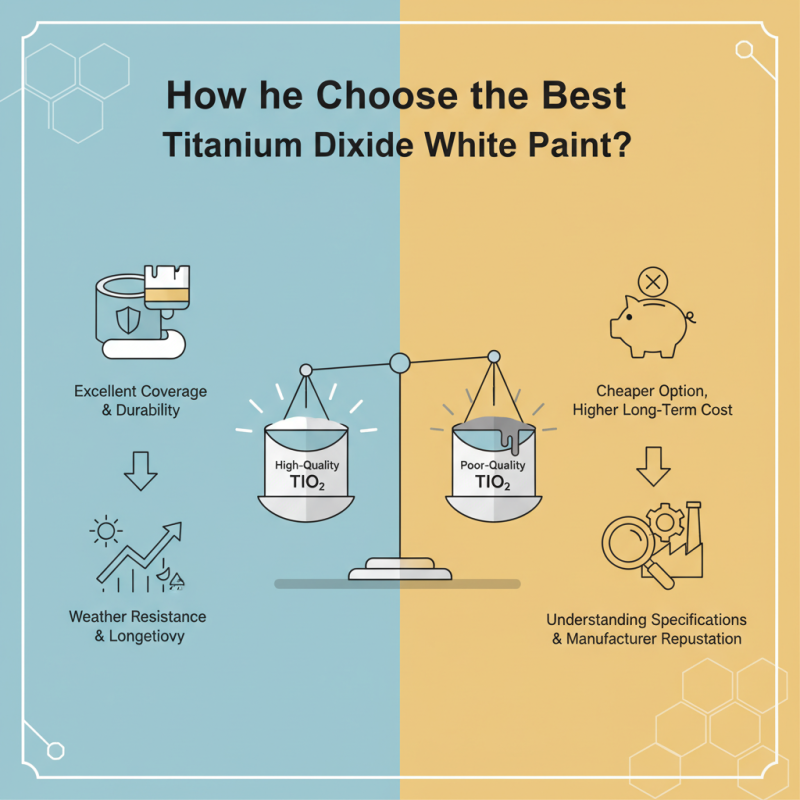
In recent studies, professionals highlighted that the right choice of titanium dioxide can significantly affect the paint's performance. Cost is often a factor, but investing in high-quality titanium dioxide paint pays off. A cheaper option might save money upfront but can increase long-term costs through frequent repainting. Understanding specifications and manufacturer reputation is key.
Understanding Titanium Dioxide: Properties and Benefits in Paint
Titanium dioxide is a key ingredient in white paint. Its excellent opacity and durability make it a preferred choice. When blended with other materials, it enhances the brightness of colors. The properties of titanium dioxide help achieve a clean, vibrant finish. These qualities are essential for both interior and exterior applications.
One notable benefit of titanium dioxide is its UV resistance. This helps prevent fading and degradation over time. However, the particle size can influence coverage, which is worth considering. Not all titanium dioxide is the same. Some paints may use lower quality alternatives, leading to disappointing results. The purity and formulation are crucial for effective performance.
In terms of environmental impact, titanium dioxide can have mixed effects. Its production process can raise concerns about sustainability. Ensuring that your paint sourced from responsible manufacturers is a step worth taking. While it offers many advantages, careful consideration is needed. Understanding these aspects allows for more informed choices when selecting white paint.
Comparison of Titanium Dioxide Usage in Different Paint Types
This chart illustrates the percentage of titanium dioxide used in various types of paint. Titanium dioxide is essential for providing whiteness and opacity, with different paint formulations requiring different amounts.
Types of Titanium Dioxide White Paint: A Comprehensive Overview
When selecting titanium dioxide white paint, understanding the various types is crucial. Primarily, there are two common grades: Rutile and Anatase. Rutile is noted for its superior opacity and durability, making it ideal for exterior applications. Anatase, while less opaque, is more suitable for certain indoor environments. Each type has unique properties that appeal to different needs.
Recent industry reports indicate that the global demand for titanium dioxide is driven by its versatility. In 2022, the market for titanium dioxide coatings reached over $15 billion, reflecting an increasing reliance on high-performance paints. A significant tip for selecting the right paint is to examine the pigment load. Higher pigment levels usually translate to better coverage and durability.
Another aspect to consider is the formulation of the paint. Water-based options have gained popularity for their eco-friendly properties. However, solvent-based options may offer better performance in specific conditions. Always look for paints that meet industry standards for safety and quality. Sometimes, the best choice isn't the most expensive option, but the one that fits the specific project requirements.
Factors to Consider When Choosing Titanium Dioxide Paint
Choosing the right titanium dioxide paint involves several key factors. The first is the pigment quality. High-quality titanium dioxide offers excellent opacity and brightness. Good pigments resist fading under sunlight and maintain a vibrant finish over time.
Next, consider the paint's formulation. Different bases and additives can impact durability and application ease. Some paints may have a smoother finish than others, which can affect how surfaces look after being painted. Pay attention to whether the formula is designed for indoor or outdoor use, as this will influence performance.
Lastly, think about the environmental impact. Many consumers care about eco-friendly options. Look for paints that minimize harmful emissions or use sustainable practices in their production. Evaluating these factors can help ensure that your choice meets both your aesthetic needs and ethical standards.
Reflect on your requirements and preferences, and choose wisely.
Comparing Brands: Top Manufacturers of Titanium Dioxide Paint
When choosing the right titanium dioxide white paint, brand comparison is key. Different manufacturers offer varied qualities and finishes. Research shows that paint formulated with high-quality titanium dioxide provides better opacity and durability. This is crucial for long-lasting results.
Top manufacturers utilize advanced formulations to improve performance. However, not all brands deliver consistent quality. Some may boast high opacity but falter in wear resistance. It's worth examining user reviews for real-world feedback. Look for details on coverage, application, and finish.
Be mindful of environmental regulations. Some brands might not meet current standards. Seek paints that prioritize eco-friendliness without compromising quality. Remember, the ideal choice should balance performance and environmental responsibility. Making informed choices can lead to better outcomes in your painting projects.
Application Techniques for Optimal Results with Titanium Dioxide Paint
When applying titanium dioxide white paint, the technique can significantly influence the final result. A well-prepared surface is essential. According to industry reports, improper surface preparation can reduce paint adhesion by up to 60%. Ensuring the surface is clean, dry, and smooth allows for even application and better durability. Using a high-quality primer enhances the paint's effectiveness. This combination maximizes the paint's luxurious finish and longevity.
Rolling or spraying are common application methods. Spraying can achieve a smoother finish but requires experience. Rolling is easier, especially for beginners, but may leave texture. Opt for a high-density roller for better coverage.
Paint experts suggest multiple thin layers instead of one thick layer to prevent drips and ensure even color. Achieving uniform adhesion is crucial; otherwise, you may see uneven fading in a few months.
Tips: Always test a small area first. This ensures you’re satisfied with the finish. If the paint applies thin, consider adding another layer. Also, keep a consistent stroke. Uneven strokes can create visible lines. Lastly, environmental conditions affect drying time. Avoid applying paint in extreme temperatures or humidity, as this can lead to peeling or bubbling.