How to Choose the Best Photovoltaic Bracket for Your Needs?
Choosing the right Photovoltaic Bracket is crucial for optimizing solar energy systems. In recent years, the solar industry has witnessed a robust growth rate of over 20% annually. This rise indicates a heightened demand for efficient solar mounting solutions. A poorly selected bracket can lead to performance issues. It may compromise system stability and even reduce energy output.
Different types of Photovoltaic Brackets are available on the market. These include fixed, adjustable, and tracking systems. Each type serves unique installation scenarios and geographic conditions. An estimated 75% of solar panel inefficiencies come from improper installation. This data emphasizes the need for careful selection based on specific needs.
Weather resistance and material durability are critical factors to consider. A bracket exposed to harsh conditions requires high-quality materials to ensure longevity. An investigation report found that only 60% of solar installations perform as expected. Therefore, understanding bracket features can significantly influence overall system efficiency. Selecting the ideal Photovoltaic Bracket should be a thoughtful process, combining industry knowledge with practical requirements.
Understanding the Different Types of Photovoltaic Brackets Available
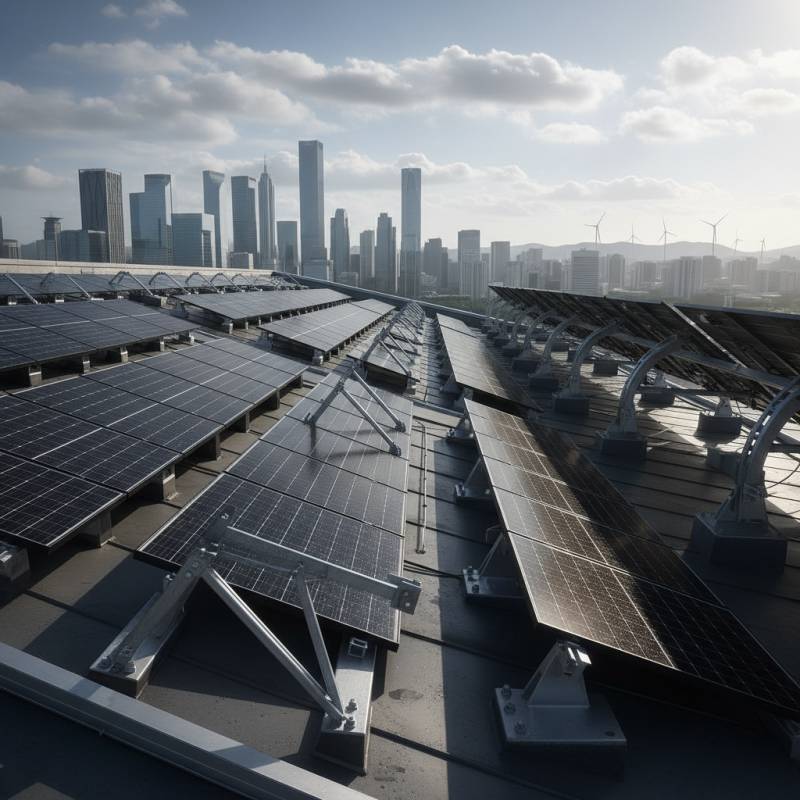
When selecting a photovoltaic bracket, understanding the different types is essential. There are three main categories: fixed, adjustable, and tracking brackets. Fixed brackets are the simplest. They hold solar panels in a stationary position. While cost-effective, they may not optimize energy capture, especially in varying sunlight conditions.
Adjustable brackets allow for changing the angle of the panels. This adaptability can enhance energy production by up to 25% according to some industry reports. However, they require more manual effort and maintenance. Tracking brackets are the most advanced. They follow the sun across the sky, potentially increasing energy output by 40%. Yet, these are the most expensive and complex to install, which can be a drawback for some users.
When choosing, consider your location and budget. For instance, regions with consistent sunlight might benefit from fixed brackets. For areas with cloudy weather, adjustable or tracking options could be more effective. It's also crucial to evaluate potential long-term costs and the likelihood of technological improvements. While advanced brackets promise higher efficiency, they may not always offer the best return on investment.
Types of Photovoltaic Brackets and Their Popularity
Evaluating Your Installation Environment and Requirements
When selecting a photovoltaic bracket, understanding your installation environment is crucial. Various factors such as wind load, snow load, and roof type play a significant role. For instance, roofs in snowy regions need brackets designed for higher weight support. According to a 2022 industry report, improper bracket choice can lead to a 30% reduction in system efficiency over time.
You should also consider the orientation and tilt of the solar panels. An optimal tilt angle maximizes energy production. A tilt of 30-40 degrees is often ideal for northern latitudes. However, not every installation allows for this. In some cases, ground-mounted options may be necessary. Yet, ground mounts can increase installation complexity and costs.
Finally, local climate conditions matter. Areas with high wind speeds demand robust bracket designs. Industry data suggests that brackets rated for wind speeds over 90 mph offer better long-term stability. However, they come with higher upfront costs. Reflecting on these factors can guide you toward fitting the right solution for your needs. It’s easy to overlook these details, but they are pivotal in ensuring a successful solar installation.
How to Choose the Best Photovoltaic Bracket for Your Needs? - Evaluating Your Installation Environment and Requirements
| Dimension | Type A (Ground Mounted) | Type B (Roof Mounted) | Type C (Pole Mounted) |
| Elevation | 0-30° | 0-15° | 15-45° |
| Material | Aluminum | Galvanized Steel | Stainless Steel |
| Weight Capacity | 5,000 lbs | 3,000 lbs | 4,000 lbs |
| Installation Time | 1-2 days | 1 day | 2-3 days |
| Cost Range | $500 - $1,200 | $300 - $800 | $600 - $1,500 |
Key Factors to Consider When Selecting Photovoltaic Brackets
When selecting photovoltaic brackets, consider factors that impact efficiency and durability. Material choice is crucial. Aluminum brackets offer corrosion resistance but can bend under extreme loads. Steel, while strong, may rust if not properly coated. Research indicates that brackets made from high-quality materials can improve a solar panel's lifespan by up to 25%.
The mounting angle is another essential consideration. The ideal angle maximizes sun exposure, but site-specific conditions can complicate this. For instance, brackets might need adjustments based on roof pitch or local weather patterns. Studies show that properly angled mounts can boost energy output by 15% or more.
Installation method directly affects performance. Some brackets are easier to install, saving time and labor costs. However, complex installations might enhance stability but are riskier for inexperienced workers. It's vital to balance ease with safety. Data suggest that improper installation can reduce system efficiency by up to 30%. Carefully evaluate your specific needs and conditions before making a decision.
Comparing Material Durability and Weather Resistance for Brackets
When selecting photovoltaic brackets, material durability is crucial. Metals like aluminum and stainless steel offer superior strength. They withstand physical stress and prevent deformation. Research indicates that aluminum brackets can endure extreme temperatures, from -40°F to 100°F. In contrast, galvanized steel may corrode in harsh environments. Rain, salt, and humidity affect steel's longevity.
Weather resistance is equally important. Polymeric brackets, made from advanced composites, resist UV rays and moisture. Industry data shows these materials retain structural integrity in severe weather. However, not all composites are created equal. Some may degrade quicker than others, particularly in UV exposure.
It’s vital to assess the local climate before making a decision. Areas prone to heavy snow or wind require more robust solutions. A standard bracket may not suffice. Evaluating your specific needs can lead to better performance. Choosing the wrong material could result in costly repairs or replacements down the line.
Cost Analysis and Budget Constraints for Photovoltaic Bracket Options
When considering photovoltaic brackets, cost is a primary concern. The price can vary widely based on materials and design. For instance, aluminum brackets tend to be more affordable but may not last as long as steel options. Assess your budget before making a choice.
Tips: It's essential to conduct a thorough cost analysis. Calculate not just the purchasing cost but also installation and long-term maintenance expenses. Some brackets might appear cheaper upfront but could incur higher costs later.
Additionally, it's wise to be realistic about your financial limits. Sometimes, spending a bit more upfront can save money in the long run. For example, investing in high-quality brackets might reduce the frequency of replacements. Research is critical; determine what features justify the price.
Tips: Always gather multiple quotes. This helps in understanding market prices. Comparing different options will guide you better in making an informed decision.