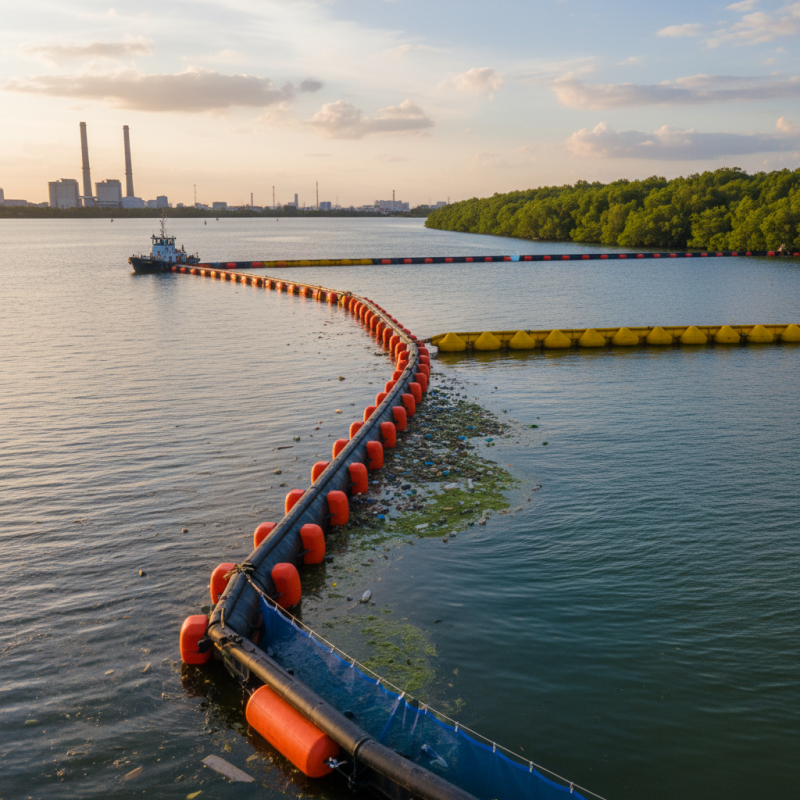
How to Choose the Right Floating Barrier for Your Needs?
Choosing the right Floating Barrier requires careful consideration. These barriers play a crucial role in controlling water pollution and debris in various environments. Each application has unique needs, making selection a bit complex.
When evaluating Floating Barriers, think about their intended use. Some barriers are designed for calm waters, while others can handle rough conditions. Material choice is also vital; durable materials ensure longevity and effectiveness. Their size will depend on the area of coverage needed.
Understanding the specific requirements is key. You may need a barrier that prevents pollutants from spreading or one that contains floating debris. Assess your environment and objectives. Reflect on the balance between cost and quality. The right choice can simplify management and enhance environmental protection.
Understanding the Functionality of Floating Barriers
Floating barriers are essential tools for environmental protection. They help control pollution and manage debris in bodies of water. Understanding how these barriers function is crucial in selecting the right one for specific needs. These barriers typically use buoyancy and tension to create a physical barrier that can contain various materials.
A study from the Environmental Protection Agency (EPA) indicated that improperly managed waste contributes to nearly 1.4 million tons of debris in oceans each year. Floating barriers can effectively reduce this by capturing waste before it spreads. They are designed to resist weather conditions. Most barriers can withstand winds of up to 40 mph.
Careful consideration should be given to the material and design of the floating barrier. Not all barriers are suitable for every environment. The lifespan of a floating barrier varies based on its application. Some materials may break down quicker in harsh conditions. Regular maintenance is often required to ensure functionality. When selecting a barrier, evaluate its intended use and environmental impact. Reliability and effectiveness are key in making informed decisions.
Types of Floating Barriers Available in the Market
When considering floating barriers, understanding the types available is crucial. There are several options on the market, each serving different environmental needs. For example, booms are designed to prevent oil spills, while debris barriers are effective for capturing trash and large organic materials. Both types can be made from various materials, including polyethylene and polyurethane, which impact their durability and effectiveness.
Another type is hydraulic barriers, which can adapt to changing water levels. These are particularly useful in rivers or areas with fluctuating tides. Their design allows for flexibility and reduces maintenance needs. However, the installation process may be more complex, demanding skilled professionals. Each type of barrier has its unique advantages and disadvantages, making it essential to assess your specific requirements carefully.
Environmental factors also play a significant role in barrier selection. Areas with strong currents may need sturdier options, while calmer zones might suit lighter alternatives. The effectiveness of a barrier can diminish over time, requiring regular inspections and maintenance. Understanding the trade-offs in pricing, longevity, and performance can help in making an informed decision.
Assessing Your Environmental and Regulatory Requirements
When selecting a floating barrier, understanding your environmental and regulatory requirements is crucial. Different regions have specific regulations that dictate the type of materials and designs permissible for use. For instance, the Environmental Protection Agency (EPA) emphasizes the importance of selecting barriers that minimize ecological disruption. Failure to comply with local regulations can result in fines or the need for costly modifications.
Assessing the ecosystem in which the barrier will be deployed is vital. Some floating barriers are designed to capture debris while allowing fish to pass freely. Studies indicate that barriers with less intrusive designs can reduce the impact on wildlife by up to 40%. Additionally, local water quality standards must be considered, as specific materials may leach harmful substances into the water. Expert consultations can often highlight unnoticed risks in the proposed design.
Reflecting on these elements can lead to better decision-making. Ensure that barrier performance is tested against potential environmental impacts. While regulatory guidelines provide a framework, they may not capture every environmental concern specific to your location. The goal should be to balance effectiveness with ecological integrity, even if it means going beyond compliance. Regular reviews and updates to barriers may be necessary as environmental laws evolve.
Evaluating Material and Durability for Floating Barriers
When selecting a floating barrier, material and durability are critical factors. The right choice can significantly affect its performance. Common materials include polyethylene and reinforced nets. Polyethylene is lightweight and resistant to UV rays. Its durability makes it suitable for various environments. Reinforced nets offer flexibility but may wear out more quickly under harsh conditions.
**Tip:** Consider your specific environment. Coastal areas may require sturdier materials due to strong waves. In contrast, calm lakes might benefit from lighter options.
Evaluate material thickness and construction quality. Thicker materials often handle stress better. Pay attention to seams; strong seams contribute to longevity. A barrier with poor seams can fail under pressure, leading to costly replacements.
**Tip:** Look for user reviews on durability. Real-world experiences can provide insights not visible in specifications. Don’t overlook maintenance requirements, as proper care extends lifespan. Reflect on your needs and usage frequency to choose wisely.
Determining Installation and Maintenance Needs for Your Barrier
When choosing a floating barrier, installation and maintenance needs are crucial. First, consider where the barrier will be placed. A calm water body may require different features compared to a fast-flowing river. According to a report by the International Association of Water Resources, correct placement can enhance the barrier's effectiveness by up to 30%. Assess the site's specific conditions to ensure proper fit.
Maintenance must also be planned ahead. Regular cleaning is essential to avoid debris accumulation. Professionals recommend checking barriers bi-weekly in high-traffic areas. The Environmental Protection Agency states that optimal maintenance can prolong the barrier's lifespan by up to 50%. However, some users underestimate maintenance needs, leading to reduced efficiency over time.
Cost is another factor. While some barriers may appear cheaper initially, ongoing maintenance costs can add up. A report from the National Waterway Council found that poorly maintained barriers can incur additional costs of 40%. It's vital to weigh initial expenses against long-term expenditures. Making an informed decision requires careful consideration of these factors.
How to Choose the Right Floating Barrier for Your Needs? - Determining Installation and Maintenance Needs for Your Barrier
| Barrier Type | Installation Requirements | Maintenance Needs | Best Use Cases |
| Plastic Floating Barrier | Quick installation with minimal tools | Low maintenance; regular inspections recommended | Ideal for calm waters and small debris |
| Steel Floating Barrier | Requires heavy machinery for installation | Moderate maintenance; rust checks required | Suitable for high-flow areas with larger debris |
| Boom Barrier | Requires anchoring in place; can be DIY | Seasonal maintenance; foam checks necessary | Effective in rivers and lakes for floating debris control |
| Eco-Friendly Floating Barrier | Easy installation; sustainable materials | Minimal maintenance; biodegradation checks | Perfect for natural habitats and eco-sensitive areas |