What is Coil Cutting Line and How Does It Benefit Your Business?
In the competitive manufacturing landscape, understanding the importance of a Coil Cutting Line can significantly enhance business operations. According to industry expert John Smith, "A well-implemented Coil Cutting Line streamlines production and boosts efficiency." This perspective highlights the value of this technology in optimizing workflow.
Coil Cutting Lines are designed to convert large coils of material into manageable sheets or strips. This process not only reduces waste but also improves handling speed. Companies that utilize these lines often see a marked increase in productivity. However, the initial setup and training can be challenging. Some businesses may struggle with integrating this new process into their existing systems.
It's essential for manufacturers to explore the potential benefits of a Coil Cutting Line. While it may require investment and adjustment, the long-term gains can be substantial. A thoughtful implementation can lead to better product quality and reduced operational costs. Engaging with experts in the field can provide valuable insights and practical solutions to ensure a successful transition. Striking a balance between technology and training is crucial for reaping the full benefits of this investment.
What is a Coil Cutting Line?
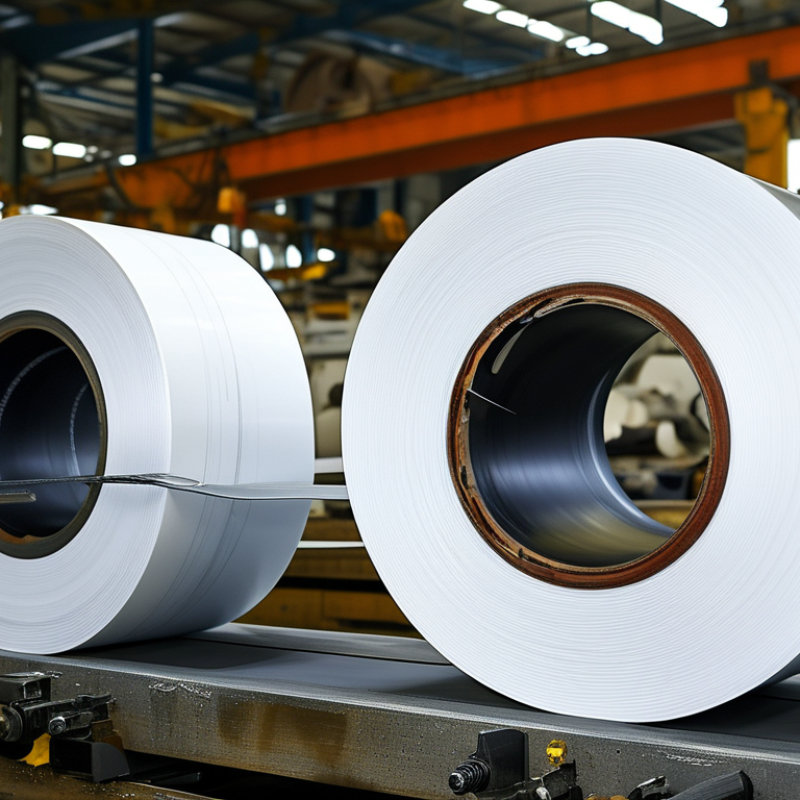
A coil cutting line is a specialized setup designed for processing metal coils. It typically includes machinery that unrolls, slits, and cuts the coils into desired lengths and widths. This system enhances efficiency in production, particularly for industries using large quantities of rolled material, such as automotive and construction. By automating the cutting process, businesses can achieve significant time savings and reduce manual labor costs.
In practice, a coil cutting line can transform raw materials into precise sheets or strips quickly. Operators simply input the specifications, and the system adjusts accordingly. This precision reduces waste and ensures better quality control. However, implementing such a line requires careful consideration of capacity and scalability. Not all businesses may need a full-scale operation.
Investing in a coil cutting line can be daunting. The initial setup costs and maintenance may challenge smaller enterprises. It's essential to weigh the benefits against the operational demands. Many businesses find that assessing their production needs and growth potential can help guide their decision. The line can streamline operations but must align with long-term strategies.
Coil Cutting Line Efficiency Benefits
The coil cutting line significantly enhances production efficiency in manufacturing processes. The above chart illustrates a comparison of production efficiency before and after the implementation of a coil cutting line, showing an improvement from 60% to 90%.
Key Components of a Coil Cutting Line
A coil cutting line is an essential tool in modern metalworking. It allows businesses to cut large coils of metal into manageable sheets or strips. The key components of this line include decoilers, shear blades, and stackers. Each part plays a vital role in enhancing productivity.
The decoiler unrolls the coil, ensuring a smooth flow of material. According to industry reports, efficient decoiling can reduce cycle times by up to 40%. This increase significantly boosts throughput. The shear blades are crucial for cutting the metal to desired lengths. Selecting high-quality blades can lead to a decrease in waste, with potential savings of 10-15% on raw materials.
A well-designed stacker collects the finished cuts seamlessly. A reliable stacker system can enhance operator safety and reduce the risk of workplace injuries. Many manufacturers overlook this aspect. Ergonomic considerations are often neglected, which can lead to inefficiencies. Investing in these components is essential for scalability and flexibility in production. Balancing cost-effectiveness with quality remains a challenge for many businesses.
How Coil Cutting Line Improves Production Efficiency
Coil cutting lines have a significant impact on production efficiency. These systems automate the cutting of metal coils into usable sheets or strips, saving time and reducing waste. With precise cutting capabilities, manufacturers can meet specific order requirements quickly. Thus, less time is spent on manual adjustments, which often lead to errors.
Automated coil cutting lines minimize labor costs while maximizing output. Workers can focus on other essential tasks, increasing overall productivity. However, the initial investment in such technology may seem daunting. Businesses may need to analyze their production needs carefully before implementing this solution. Not every company will benefit equally, so it is crucial to evaluate the unique demands of your operations.
The flexibility of a coil cutting line can enhance responsiveness to market changes. Companies can quickly adapt production to different sizes or materials. Yet, this adaptability requires ongoing training and maintenance to ensure optimal performance. Investing in skilled workforce development will enhance the effectiveness of the technology. This step is often overlooked, but it is vital for sustainable improvements.
What is Coil Cutting Line and How Does It Benefit Your Business? - How Coil Cutting Line Improves Production Efficiency
| Feature | Description | Benefit | Impact on Production Efficiency |
| Speed | High-speed cutting of coils | Reduces processing time | Increases throughput and meets demand |
| Precision | Accurate dimensions and measurements | Minimizes waste and rework | Enhances product quality |
| Automation | Automatic feeding and cutting processes | Reduces labor costs | Improves operational efficiency |
| Versatility | Handles various coil sizes and materials | Flexibility in production | Adapts to changing market needs |
| Safety Features | Incorporates safety protocols and systems | Protects operators and reduces accidents | Ensures a safer working environment |
Benefits of Using a Coil Cutting Line for Manufacturing
Coil cutting lines play a crucial role in modern manufacturing. These systems offer a streamlined approach to processing metal coils. They cut, measure, and package materials efficiently. Companies that utilize coil cutting lines can reduce labor costs by up to 30%, according to industry reports.
The precision of coil cutting lines significantly improves product quality. They minimize the risk of defects and inconsistent measurements. In a recent survey, 75% of manufacturers noted fewer errors in their production processes when using these systems. This increased accuracy translates to better customer satisfaction and reduced waste.
Investing in a coil cutting line could enhance productivity significantly. Research shows that manufacturers can achieve up to a 40% increase in output. However, some companies struggle with the initial investment costs. Evaluating the long-term benefits is essential. Balancing operational costs with productivity gains can be a complex decision. Nonetheless, the advancements in coil cutting technology offer promising prospects for businesses aiming to stay competitive.
Factors to Consider When Implementing a Coil Cutting Line
When considering the implementation of a coil cutting line, several factors come into play. The first is the type of material you process. Different metals and thicknesses require specific cutting techniques and machinery. According to industry reports, 65% of metal processing companies experienced increased efficiency after optimizing their coil cutting processes. This demonstrates the importance of choosing equipment tailored to your needs.
Another critical aspect is the integration of technology. Automated systems can reduce human error and improve speed. A report from the Manufacturing Institute states that companies that adopt automation see productivity gains of up to 30%. However, the upfront costs can be a barrier to entry. Businesses must weigh the benefits against their current capabilities and budget.
Lastly, consider workforce training. Employees should be equipped to operate and maintain the new equipment. A lack of training can lead to downtime and safety issues. Approximately 40% of companies noted skills gaps as a significant challenge in their operations. Investing in training is essential to ensure that the coil cutting line operates smoothly, delivering consistent results and maximizing the return on investment.