How to Ensure Proper Agricultural Equipment Maintenance?
Agricultural equipment maintenance is crucial for optimal farming operations. According to a report from the American Society of Agricultural and Biological Engineers, proper maintenance can improve equipment lifespan by up to 50%. This statistic underscores the need for farmers to prioritize their maintenance routines. Regular checks not only prevent breakdowns but also enhance overall farm productivity.
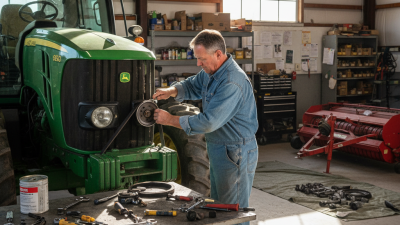
James Anderson, a leading agronomy expert, states, “Neglected equipment can lead to unexpected costs and inefficiencies.” His insight highlights the financial impact of inadequate maintenance practices. Investing time in training staff on equipment care is essential. Many farmers overlook routine tasks, like lubrication and inspections. These small actions can yield significant long-term benefits.
Moreover, reliance on outdated maintenance schedules may hamper efficiency. Farmers should integrate modern technology into their routines. This shift can facilitate timely repairs and reduce delays. Paying attention to these details can transform a typical maintenance approach into a robust strategy for success. Therefore, understanding the importance of agricultural equipment maintenance is vital for sustainable farming practices.

Identifying Essential Agricultural Equipment for Maintenance
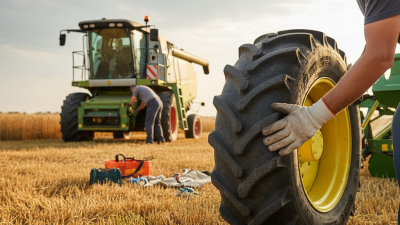
Identifying essential agricultural equipment is crucial for effective maintenance. Tractors, for instance, are vital for plowing and harvesting. Regular inspections of the engine, tires, and hydraulic systems can prolong their lifespan. Neglecting these checks often leads to breakdowns, which can disrupt workflows.
Other important equipment includes plows, seeders, and sprayers. Each tool has unique maintenance needs. For example, plows require frequent sharpening to remain effective. Sprayers need careful cleaning after each use to avoid clogging. Keeping a maintenance schedule helps track tasks and ensures nothing is overlooked.
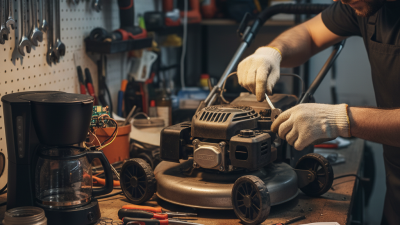
Farmers sometimes overlook smaller tools, yet they play a significant role. Hand tools can rust if not stored properly. Keeping them dry is a simple but often ignored step. Regular maintenance of all equipment contributes to smooth operations on the farm. Missing a detail can lead to larger issues later on.
Understanding the Importance of Regular Maintenance Schedules
Regular maintenance of agricultural equipment is crucial for optimal performance. According to a report from the American Society of Agricultural and Biological Engineers, properly maintained machines can enhance productivity by up to 20%. This statistic underscores the importance of creating and adhering to regular maintenance schedules. Such schedules help identify potential issues before they escalate, ensuring that equipment performs efficiently during critical planting and harvesting periods.
Routine maintenance can prevent costly downtime. The Journal of Business Research highlights that unexpected equipment failures can lead to 30% more repair costs. Farmers should prioritize regular checks for oil levels, tire conditions, and hydraulic systems. Operators often overlook simple tasks, which can lead to significant issues later. Even minor neglect can impede operational efficiency.
Consider these practices for better maintenance outcomes. Schedule monthly inspections, even during off-seasons. Ensure all operators are trained in basic machine care. Keep a maintenance log to track servicing dates and issues. Documenting helps in recognizing patterns that might signify deeper mechanical problems. Agricultural equipment needs attentive care, and diligence in routine checks can make the difference between a successful harvest and a costly failure.
Common Maintenance Procedures for Agricultural Equipment
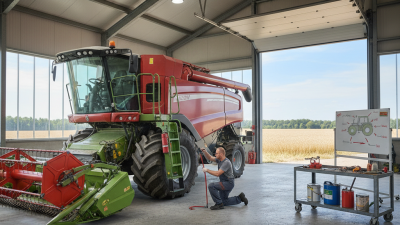
Proper maintenance of agricultural equipment is crucial to ensure its longevity and efficiency. Regular inspection of machinery can prevent unexpected breakdowns. Farmers should check oil levels and hydraulic fluids before each use. This simple step can avoid larger mechanical issues. Keeping an eye on tire pressure and condition improves safety and performance. Always look for signs of wear and tear, as early detection can save time and costs.
Cleaning equipment after use is another essential procedure. Dirt and debris can harm the machinery, leading to costly repairs. Make it a practice to wash off any residue from fields or crops. Additionally, storing equipment in a clean, dry area protects it from weather elements. Regularly scheduled maintenance checks by professionals are advisable. They can identify underlying problems that you may overlook.
However, maintenance routines can sometimes be neglected. Busy farming seasons may lead to oversights. It's vital to create a maintenance schedule and stick to it. Reflecting on past experiences helps identify what works best for your operation. This way, maintaining agricultural equipment becomes more efficient and less prone to errors.
Common Maintenance Procedures for Agricultural Equipment
Signs Indicating the Need for Immediate Repairs
When it comes to agricultural equipment, timely maintenance is crucial. Recognizing the signs requiring immediate repair can save you both time and money. One significant indicator of trouble is unusual noises. If you hear grinding, clanking, or any other unfamiliar sounds, it may signal internal issues. Ignoring these noises can lead to severe damages later.
Another warning sign is leaking fluids. Whether it’s hydraulic fluid or oil, leaks usually suggest wear and tear. Observing wet spots under machinery indicates that a component needs fixing. Additionally, check for changes in performance. If your equipment struggles to start or operate efficiently, there might be underlying mechanical problems.
Vibrations can also be a red flag. Excessive shaking often points to misalignment or imbalance. Pay attention if the equipment is harder to steer or maneuver. These signs should motivate you to assess the situation carefully. Maintaining your equipment is not just about routine checks; it requires keen observation and readiness to act.
Best Practices for Storing Equipment During Off-Season
Proper storage of agricultural equipment during the off-season plays a crucial role in maintaining its longevity and functionality. According to the USDA, well-maintained machinery can increase efficiency by up to 20%. This emphasizes the importance of a systematic approach to storage.
Before putting equipment away, clean it thoroughly. Remove dirt, debris, and plant material. This prevents rust and mechanical issues caused by residue. Additionally, inspect all parts for wear and tear. Addressing any minor issues now can save costs later. Lubrication is essential. Apply grease to moving parts to protect against corrosion.
Storing equipment indoors is ideal. An enclosed space protects against harsh weather, reducing the risk of damage. If indoor storage isn’t an option, use tarps to cover machines. This can limit exposure to moisture. A study by the Agricultural Equipment Manufacturers Association notes that up to 35% of equipment failures relate directly to poor storage practices. Taking these extra steps might seem tedious, but they can prevent larger headaches down the line. Implementing a proper storage routine is a reflection of industry best practices and can lead to significant savings.
How to Ensure Proper Agricultural Equipment Maintenance? - Best Practices for Storing Equipment During Off-Season
| Equipment Type |
Maintenance Frequency |
Off-Season Storage Tips |
Common Issues |
| Tractor |
Every 50 hours |
Clean thoroughly, store in a dry place, protect with a cover |
Rust, battery drainage |
| Plow |
Every 100 hours |
Remove soil residues, apply protective oil |
Corrosion, dull blades |
| Harvester |
After each season |
Inspect and replace worn parts, store in a covered area |
Engine issues, contamination |
| Sprayer |
Before and after each use |
Flush systems, keep in a temperature-controlled environment |
Clogged nozzles, chemical residue build-up |
| Irrigation System |
Monthly checks |
Drain water, insulate pipes to avoid freezing |
Leaks, freeze damage |