Why is Agric Equipment Essential for Modern Farming Practices?
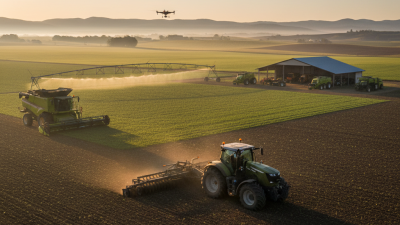
In modern agriculture, agric equipment plays a crucial role in enhancing productivity. These tools are not merely accessories; they are the backbone of efficient farming practices. From tractors to precision planters, agriculture has evolved significantly with technology.
Farmers depend on advanced machinery for timely planting and harvesting. The integration of technology in agric equipment streamlines operations. However, not all farms can afford these innovations. Smaller farms often struggle, facing a gap in resources and access.
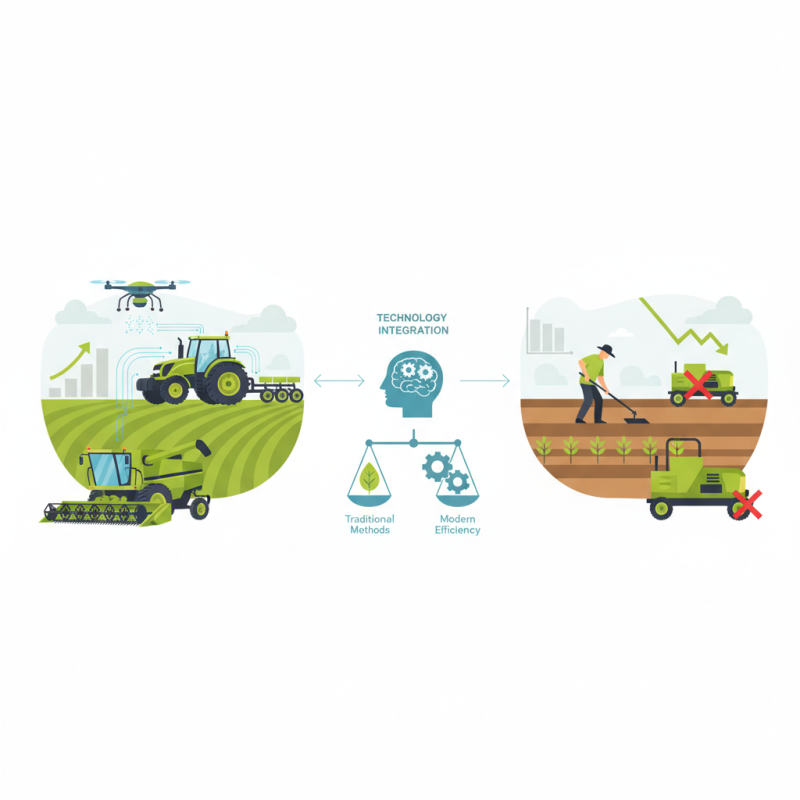
Additionally, reliance on machine efficiency raises concerns. Equipment breakdowns can stall operations and lead to financial loss. Farmers must adapt to new technologies while being cautious about over-dependence. As the sector progresses, the balance between traditional methods and modern tools remains critical. Each step forward calls for reflection on sustainability and resource management.
The Role of Agricultural Equipment in Enhancing Farm Productivity
Agricultural equipment plays a crucial role in enhancing farm productivity. Modern machinery increases efficiency and reduces labor costs. According to the Food and Agriculture Organization (FAO), the use of advanced equipment can boost crop yields by up to 30%. This is vital for meeting the growing global food demand. Farmers can cultivate more land and manage larger farms efficiently. However, dependency on technology raises concerns. Equipment failures can halt operations, leading to significant losses.
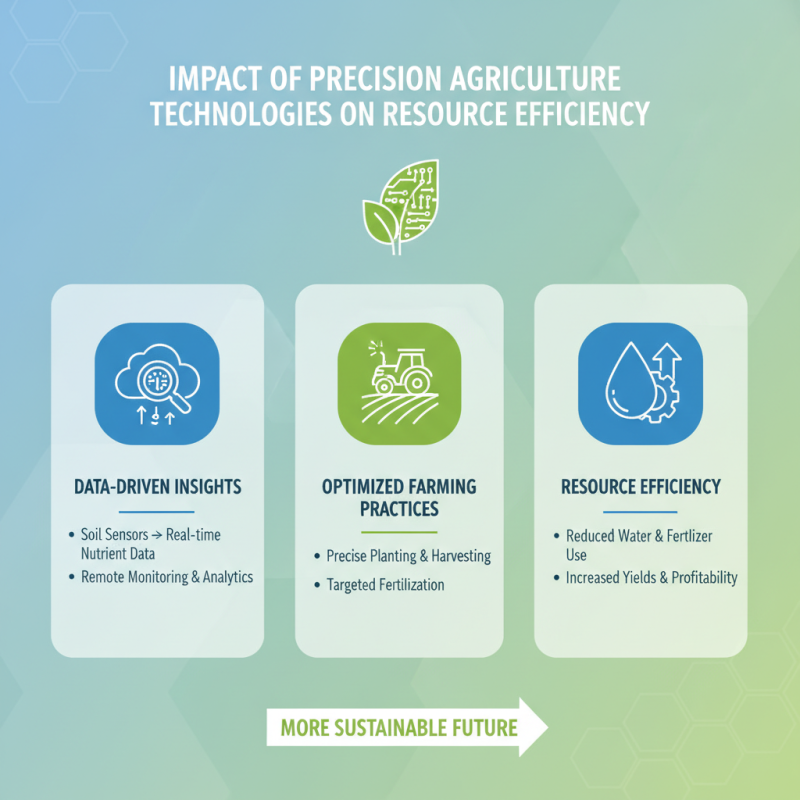
Precision farming tools, like GPS and drones, help farmers monitor crops in real-time. This can optimize resource use, such as water and fertilizers. A report from the International Journal of Agricultural Technology states that precision agriculture can reduce input costs by 10-20%. Yet, access to such technologies can be limited for smallholder farmers. Many may lack the financial means to invest in high-quality equipment. This disparity raises questions about equity in agricultural advancements.
Moreover, environmental impacts cannot be ignored. Heavy machinery can lead to soil degradation and compaction. The same FAO report reveals that sustainable practices are essential. Balancing technology use with environmental care is crucial. As farming evolves, finding this balance will be a significant challenge for future generations.
Why is Agric Equipment Essential for Modern Farming Practices?
| Equipment Type |
Purpose |
Impact on Productivity |
Investment Cost (Approx.) |
| Tractors |
Soil preparation and hauling |
Increases efficiency by 50% |
$25,000 |
| Plows |
Tilling soil |
Improves soil aeration and crop yield |
$1,500 |
| Harvesters |
Crop harvesting |
Reduces harvesting time by 70% |
$100,000 |
| Irrigation Systems |
Watering crops |
Increases water efficiency by 40% |
$15,000 |
| Seeders |
Planting seeds |
Enhances seed placement accuracy |
$3,000 |
Statistics on Yield Increases from Modern Farming Equipment Usage
Modern farming equipment has revolutionized agriculture. Statistics show that farmers using advanced tools can increase their crop yields significantly. Research indicates that integrating such equipment can boost production by up to 30%. This is an impressive growth rate and essential for addressing food security.
Using the right tools can lead to higher efficiency. For instance, precision planting equipment allows for better seed placement. This means more plants grow successfully. Managing resources like water and fertilizers becomes easier with modern technology. Farmers can use sensors for accurate monitoring. This leads to reduced waste and improved profits.
Tip: Regular training on new equipment is crucial. It ensures that farmers can maximize their tools' capabilities. Keeping updated with the latest technology trends can help you stay competitive. Embrace innovation, but reflect on what suits your farming style best. Sometimes, simpler methods yield unexpectedly good results.
Sustainability Benefits of Advanced Agricultural Machinery in Farming
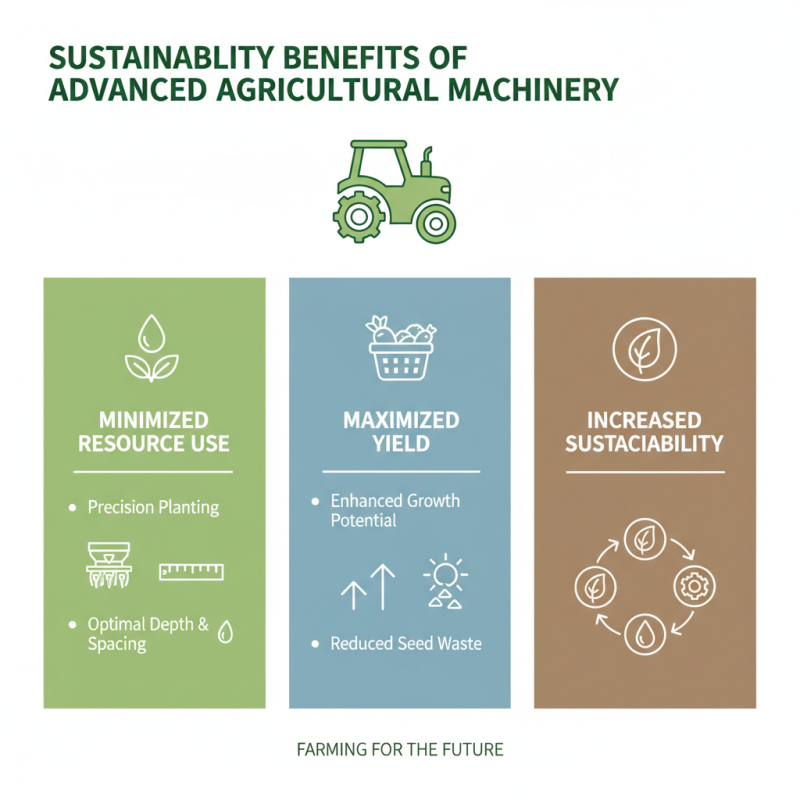
Advanced agricultural machinery significantly enhances sustainability in farming. These machines are designed to minimize resource use while maximizing yield. For instance, precision planting technology ensures seeds are placed at the correct depth and spacing. This optimizes growth potential and reduces wasted seeds. Reducing seed waste directly contributes to sustainability.
Additionally, modern equipment often integrates smart technology. Sensors monitor soil moisture and nutrient levels, enabling farmers to use water and fertilizers more efficiently. This smart usage lowers the risk of runoff, protecting local waterways from pollution. Yet, one must consider the energy consumption of machinery. Not all equipment is energy efficient, and this raises concerns about its overall sustainability.
Despite these challenges, the benefits of advanced equipment are clear. They help create a more sustainable farming future through better practices. Farmers are encouraged to evaluate their choices carefully. It’s important to balance efficiency with environmental impact. Not every machine on the market is ideal for every farm. This ongoing evaluation can lead to more mindful farming practices.
Cost-Benefit Analysis of Investing in Modern Agricultural Equipment
Investing in modern agricultural equipment can seem daunting. However, the cost-benefit analysis reveals significant potential. According to a report by the Food and Agriculture Organization, the use of advanced machinery can boost crop yields by 30-40%. Higher yields mean more revenue, yet the initial investment can be a barrier for many farmers.
Operating costs are also affected by equipment efficiency. A study from the U.S. Department of Agriculture indicates that precision farming technologies reduce input costs by 15-20%. This means less waste and better resource management. However, farmers need to adapt to new technologies, which can be a slow process and may require training.
Despite the clear advantages, not all farmers can access the latest equipment. Budget constraints can delay these investments. In some cases, older equipment may still be functional but lacks efficiency. This highlights the need for a balanced approach between adopting new technology and optimizing existing resources. The transition to modern equipment is challenging but essential for sustainable farming practices.
Cost-Benefit Analysis of Modern Agricultural Equipment