Top Farm Equipment for Efficient Agricultural Practices?
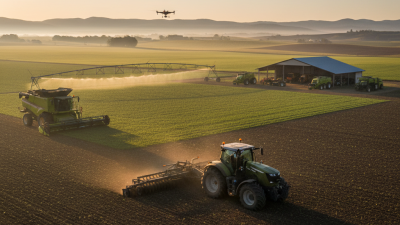
In modern agriculture, the importance of effective farm equipment for optimal productivity cannot be overstated. Renowned agricultural expert Dr. John Miller emphasizes, "The right tools and technology can redefine farming success." This statement underscores the transformative role that advanced machinery plays on farms today.
Farm equipment for various tasks—from planting to harvesting—anchors successful agricultural practices. With innovations like precision planters and smart irrigation systems, farmers can enhance efficiency and yield. However, many farms struggle to adopt these technologies. Budget constraints and lack of training often hinder progress.
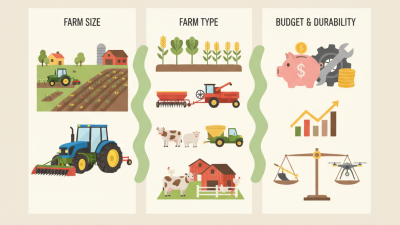
Farmers must consider their specific needs when selecting equipment. Investing in the right tools can lead to sustainable practices. Yet, not all investments yield immediate returns. Farmers may need to experiment and adjust their operations. Embracing this trial-and-error approach is vital for long-term growth and success.
Essential Attributes of Modern Farm Equipment for Agriculture
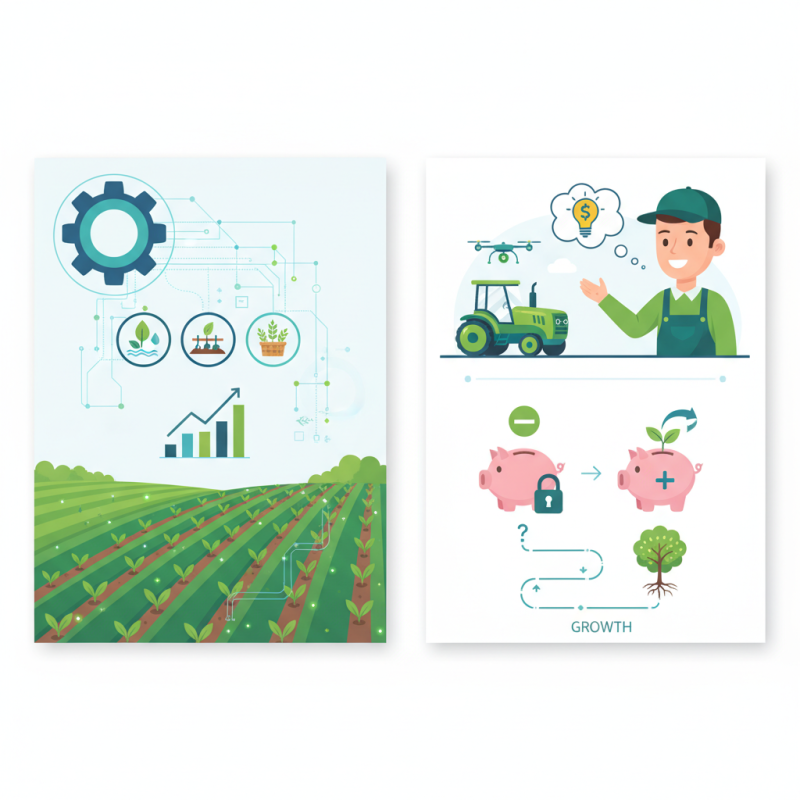
Modern farm equipment plays a crucial role in enhancing agricultural efficiency. According to a report by the Food and Agriculture Organization (FAO), adopting advanced technology can increase crop yields by up to 30%. Farmers today rely on tractors, drones, and precision farming tools. These innovations improve crop monitoring and soil management. However, not every farmer has access to these technologies.
Essential attributes of today’s farm equipment include durability, ease of use, and adaptability. Equipment must withstand challenging weather conditions and diverse terrains. For instance, autonomous tractors are gaining traction. They can reduce labor costs by 30%, but initial investment can be a barrier for many farmers. Additionally, data from the USDA indicates that around 45% of farms still lack basic technological tools, highlighting a significant gap in modern agriculture.
Efficiency in operation is also key. Equipment should minimize fuel consumption while maximizing output. Solutions like variable rate technology can optimize inputs like fertilizers. However, understanding how to properly utilize these advancements remains a challenge for some operators. Continuous education is necessary to fully leverage modern equipment, ensuring long-term sustainability for the agricultural sector.
Top Farm Equipment for Efficient Agricultural Practices
Key Types of Farm Equipment for Enhancing Crop Production
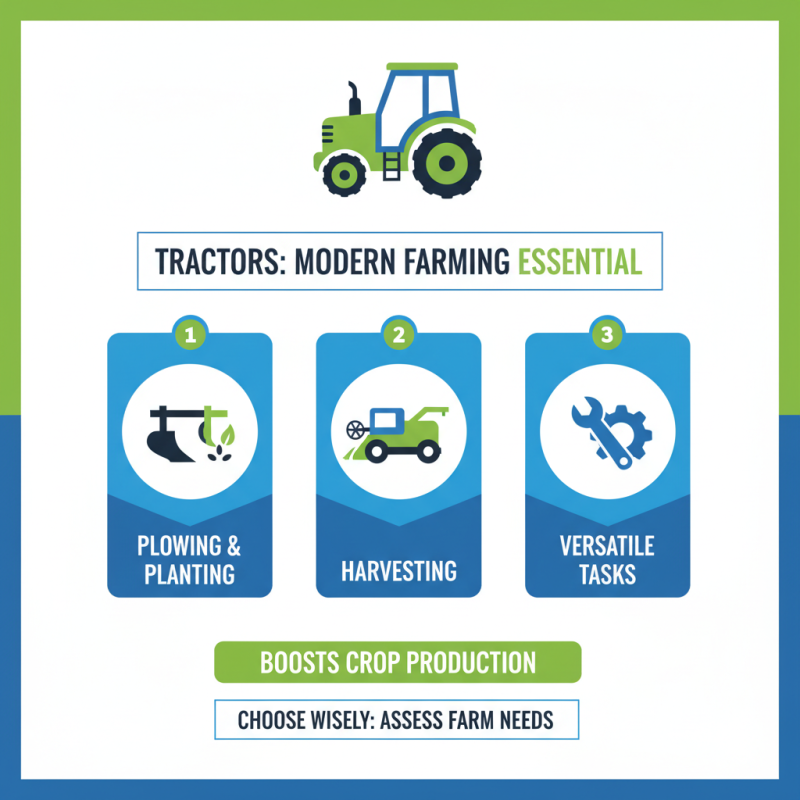
In modern agriculture, the right equipment can greatly enhance crop production. Tractors are essential. They help with plowing, planting, and harvesting. Farmers often rely on them for various tasks. However, not all farms need the same type of tractor. Some may be too large, while others are too small. It's crucial to assess the farm's specific needs before investing.
Another key piece of equipment is the planter. This machine ensures seeds are planted at the correct depth and spacing. Proper planting leads to healthier crops. Yet, improper calibration can result in poor yields. Farmers must regularly check and adjust their equipment to maximize efficiency. Field conditions change, and what worked last year might not work this year.
Irrigation systems also play a vital role. They provide essential water supply during dry periods. Automated systems can save time but may require high initial investment. Farmers often grapple with the balance between efficiency and cost. Over-reliance on technology can be risky. If systems fail, crops can suffer. Regular maintenance and understanding the limitations of machinery are key for success.
Innovative Technologies in Farm Equipment for Improved Efficiency
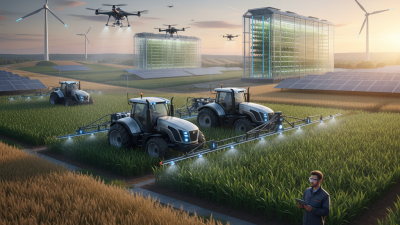
In today's agricultural landscape, innovative technologies play a crucial role in enhancing efficiency. Precision farming tools are transforming how farmers manage their crops. Drones equipped with cameras provide real-time insights into field conditions. They can detect areas needing immediate attention. This proactive approach can minimize resource waste.
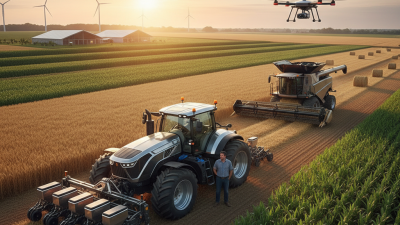
Another advancement is automated tractors. These machines operate with minimal human intervention. They can plant seeds with pinpoint accuracy, reducing overlap. However, not all farmers embrace this technology. Learning curves exist, and not every farmer has access. The cost can also be prohibitive for smaller operations.
Robotics in agriculture is gaining traction, too. Harvesting robots can work tirelessly, picking fruit faster and with less damage. Yet, there are challenges. These machines require significant upfront investment, and maintenance can be complex. Farmers must weigh the benefits against potential setbacks. Making the leap to these technologies isn’t always straightforward, but the potential gains are substantial.
Maintenance Practices for Optimum Performance of Agricultural Machinery
Maintaining agricultural machinery is crucial for optimal performance. Regular checks can prevent costly downtime. Industry data shows that proper maintenance can increase equipment longevity by up to 20%. Farmers must frequently check fluid levels, tire pressure, and wear on critical components. Small oversights, like ignoring a leaking hydraulic line, can lead to significant issues.
Cleaning equipment after use is another essential practice. Dirt and debris can clog filters and damage engines. Reports suggest that neglecting this simple task can reduce efficiency by around 15%. Routine inspections should include looking for rust and corrosion, which can worsen over time. Timely repairs often save money and stress in the long run.
Additionally, operators should keep manuals handy. Understanding the machinery is vital for proper care. Some farmers may skip reading manuals, yet errors could arise from this negligence. Training staff on maintenance routines helps too. A well-informed team contributes to smoother operations. Methods may vary, but the goal remains the same: protect your investment in farming equipment.
Investment Considerations for Upgrading Farm Equipment Strategies
When considering the upgrade of farm equipment, investment strategies are crucial. Upgrading can enhance productivity and efficiency, but it requires careful planning and consideration. Analyzing current needs is the first step. What tasks are performed manually? Is there sufficient capacity?
An ideal upgrade does not only factor in costs. Return on investment plays a key role. More efficient equipment might save time and fuel. However, initial costs can be daunting. Many farmers overlook this and rush into decisions. Research is essential; evaluating the best tools for specific crops and workflows is vital.
It's not just about new machinery. Sometimes, regular maintenance can significantly extend equipment lifespan. Investing in training staff on new technologies is equally important. A gap in skills can limit the effectiveness of new equipment. Every choice made should reflect long-term goals while managing immediate needs. Balancing these aspects is challenging but necessary for sustainable agricultural practices.