10 Essential Tips for Choosing the Best Agricultural Equipment
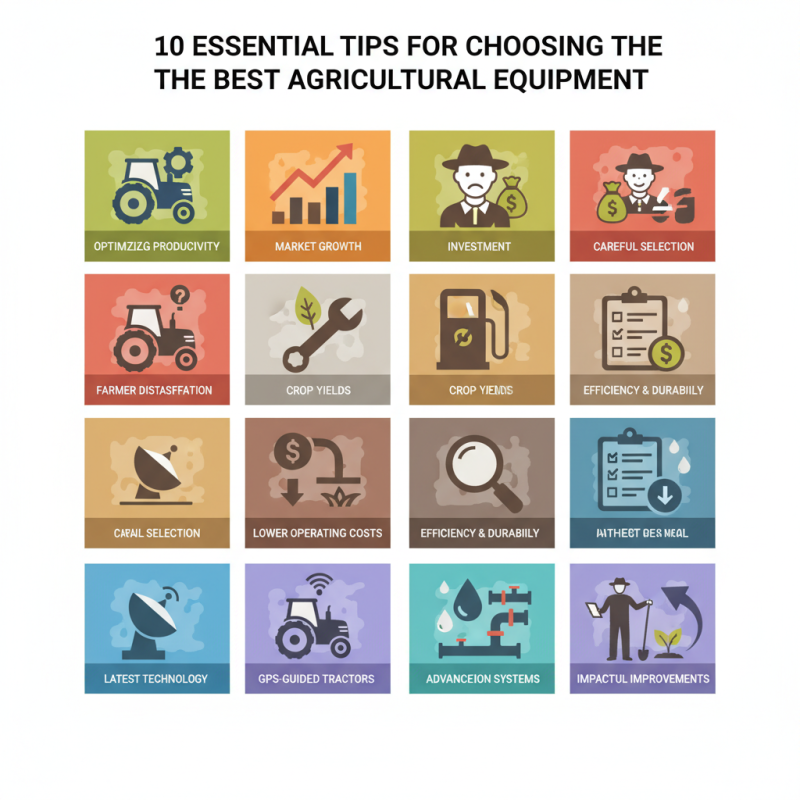
Choosing the right agriculutural equipment is crucial for optimizing productivity. The global agricultural machinery market was valued at $173.1 billion in 2020, and it's projected to grow significantly. Farmers face the challenge of selecting the best equipment tailored to their specific needs.
Investing in quality agriculutural equipment can lead to better crop yields and lower operating costs. Surveys indicate that 70% of farmers are dissatisfied with their current equipment, highlighting the need for careful selection. Many overlook key factors like efficiency and durability, often committing to purchases they later regret.
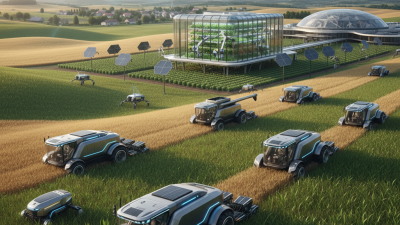
Understanding the latest technology in agriculutural equipment is essential. From GPS-guided tractors to advanced irrigation systems, innovation plays a vital role. However, farmers must balance these advancements with their real-world requirements. Effectively navigating this landscape can lead to impactful and lasting improvements in their operations.
Understanding Your Farming Needs and Crop Requirements
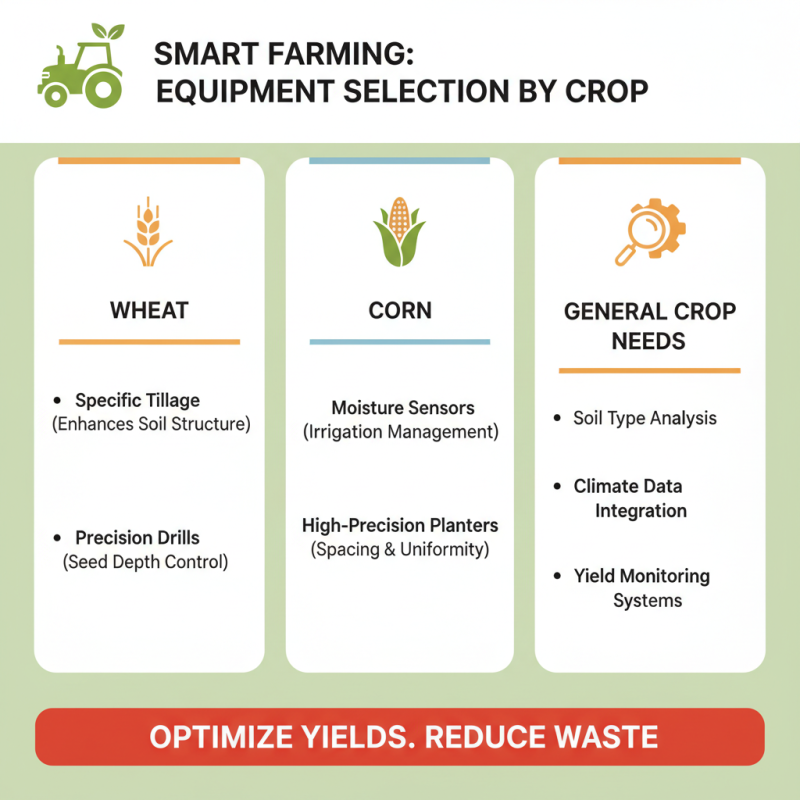
Understanding your farming needs and crop requirements is essential when selecting agricultural equipment. Different crops have unique demands. For instance, data shows that wheat requires specific tillage to enhance soil structure. Similarly, corn has precise moisture needs during its growing season. Ignoring these factors can lead to poor yields.
Research indicates that a substantial 70% of farmers consider equipment effectiveness as a critical factor. However, it’s not just about horsepower or size. Assessing the specific needs of your soil and chosen crops is crucial. Are you focusing on organic farming? Equipment choices will differ substantially. Inadequate machinery can lead to nutrient loss and lower crop health.
Moreover, budget considerations often lead to compromises. While it might seem practical to save on up-front costs, investing in the right technology can enhance productivity. A 2021 report highlighted that farmers who invest in specialized equipment see a 30% increase in efficiency. Reflecting on these choices helps ensure long-term success in agriculture.
Evaluating the Durability and Maintenance of Agricultural Equipment
When evaluating the durability and maintenance of agricultural equipment, several considerations come into play. Choosing the right equipment goes beyond just performance. It’s essential to focus on materials used in construction. Equipment made from high-quality steel or corrosion-resistant materials often lasts longer in harsh conditions.
Regular maintenance tasks can help extend equipment life. Schedule routine inspections to catch any wear and tear early. It's vital to keep an eye on parts that are prone to damage. Simple actions, like cleaning and lubricating moving parts, can make a significant difference. Maintenance should be part of your operational budget.
Another tip is to be realistic about your usage. If a piece of equipment is frequently used, it will wear down faster. Choose equipment that can be serviced easily. Look for parts that are accessible. This could save time and money in repairs. Assess the local support available for maintenance. Having nearby service options can be a huge benefit in emergencies.
Comparing Different Types and Brands of Agricultural Machines
Choosing the right agricultural equipment can be overwhelming. Numerous types and brands exist, each claiming to offer the best performance. It’s essential to compare these machines based on specific needs. Assess the crop type you grow. Different machines perform differently across various crops. For instance, some harvesters excel in grain crops while others are better suited for fruits and vegetables.
When comparing various brands, pay attention to their warranty and service options. Reliability matters in agriculture. A machine that breaks down can lead to significant losses. Also, investigate the availability of spare parts. Some brands may be popular but have a limited network for repairs. The complexity of different machines also varies. Some farmers prefer simpler models to minimize maintenance. However, advanced models might provide better efficiency but at a higher cost.
Choosing equipment also requires reflection. Sometimes we tend to follow trends instead of our actual needs. It’s crucial to balance innovation with practicality. Take note of your budget. While investing in quality equipment is important, overspending can lead to financial strain. Each decision should be well thought out, weighing current needs against potential future demands.
Assessing Budget Considerations and Financing Options
When looking to purchase agricultural equipment, budget considerations play a critical role. Think about your initial costs. It's tempting to go for low-priced options, but cheaper equipment often comes with hidden costs. Maintenance might be more frequent. Repairs can add up quickly. Always calculate not just purchase price, but total ownership costs.
Financing options can also make a difference. Check local banks for loan rates. Many banks offer specific loans for agricultural needs. Look into government programs that provide grants or low-interest loans. These can make a hefty purchase more manageable. Be careful, though. Make sure the terms are clear. Understand what you can afford in the long run.
Explore leasing options too. It may seem less conventional, but leasing can keep your cash flow healthy. You can use the latest equipment without a large upfront payment. However, leasing isn't always beneficial. Consider how long you'll need the equipment. Eventually, you might end up paying more in the long term. Reflect on these choices carefully before making a decision.