10 Tips for Agricultural Equipment Financing?

Buying a tractor, combine, or irrigation system can reshape a farm’s financial future. For many operators, the right machine saves hours, reduces losses, and improves seasonal output. However, the wrong financing structure can strain cash flow during slower months. Agricultural equipment financing offers useful access to essential machinery, but approval alone does not guarantee a good decision.

This guide presents ten practical tips for evaluating equipment loans with greater confidence. It explores cash-flow planning, down payments, interest rates, repayment schedules, credit requirements, and lender reputation. Seasonal income deserves careful attention. A payment due before harvest can create unnecessary pressure. Insurance, maintenance, taxes, and delivery costs also belong in the budget. They are often overlooked.

Real farm budgets are rarely perfect. Some assumptions will be wrong. That is normal. The important step is reviewing them before signing an agreement. Comparing the annual percentage rate with the total repayment amount can reveal expensive differences. A lower monthly payment may hide a longer term or larger final balance. Written quotes, recent financial records, equipment valuations, and clear contract terms improve decision quality. Experienced lenders should explain risks without promising guaranteed approval. Independent advice from an accountant or agricultural finance specialist may also expose weak assumptions. The goal is not simply acquiring newer equipment. It is choosing a repayment plan that supports productivity without sacrificing working capital, emergency reserves, or long-term stability.
10 Tips for Agricultural Equipment Financing?

Understanding Agricultural Equipment Financing Basics

Understanding Agricultural Equipment Financing Basics

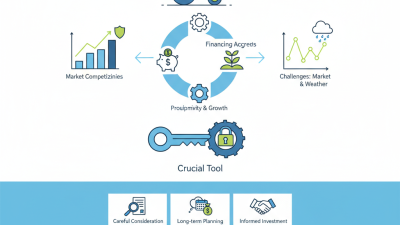
Agricultural equipment financing turns a major purchase into scheduled payments. The structure matters more than the advertised monthly amount. Compare the interest rate, fees, down payment, repayment term, and final residual value. A low payment can hide a longer and more expensive contract.

The Equipment Leasing and Finance Association’s 2024 U.S. Economic Outlook describes equipment finance as a market exceeding $1 trillion annually. USDA Economic Research Service reports that farm-sector debt has remained above $500 billion in recent forecasts. These figures show why careful borrowing matters. Match payments with harvest income, not simply with the delivery date. Seasonal payment plans may protect cash flow, but they can increase total interest. Ask whether the equipment remains collateral until repayment ends.

Loans offer ownership after the final payment. Leases may reduce initial cash pressure, but purchase options and mileage or usage conditions require close reading. Check maintenance duties, insurance requirements, late-payment clauses, and early payoff costs. Keep a written cash-flow forecast using conservative crop prices and repair estimates. A spreadsheet can look precise and still mislead. In practice, repair bills arrive at inconvenient times. Leave a reserve for tires, fuel, labor, and weather delays. A tax adviser and agricultural lender should review the agreement before signing, especially when depreciation or variable rates are involved. Even experienced operators sometimes underestimate downtime. That mistake is expensive.

10 Tips for Agricultural Equipment Financing

Understanding Agricultural Equipment Financing Basics

U.S. farm-sector debt has increased over time, making careful equipment-financing decisions important. Compare the total cost of ownership, interest rate, repayment period, down payment, seasonal cash flow, maintenance expenses, and expected equipment productivity before signing a loan or lease.

The chart shows total U.S. farm-sector debt in current dollars from 2019 through 2024. Data source: USDA Economic Research Service, Farm Income and Wealth Statistics. The 2024 figure is an estimate.

Practical Financing Tips

  1. Define the equipment's production purpose and expected return.
  2. Compare loan, lease, and cash-purchase options.
  3. Calculate the full cost, including interest, insurance, taxes, repairs, and depreciation.
  4. Choose a repayment schedule that matches seasonal farm income.
  5. Review fixed-rate and variable-rate financing risks.
  6. Maintain an emergency cash reserve for unexpected operating costs.
  7. Check collateral, guarantees, fees, and early-repayment terms.
  8. Match the financing term with the equipment's useful life.
  9. Consider fuel efficiency, downtime, resale value, and maintenance support.
  10. Keep accurate financial records and reassess the equipment's performance annually.

Assessing Equipment Needs, Costs, and Affordability

10 Tips for Agricultural Equipment Financing

Assessing Equipment Needs, Costs, and Affordability

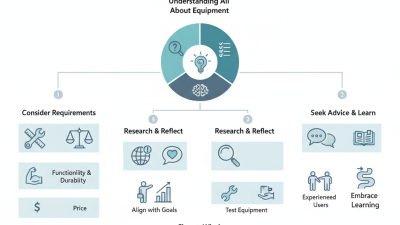
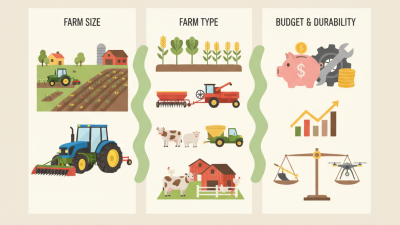
Measure the need before discussing financing. Walk through the fields and record the jobs, acreage, soil conditions, and annual operating hours. A machine that looks affordable may sit unused for much of the year.

Cash flow matters. Estimate fuel, insurance, storage, repairs, operator training, and required attachments. Include delivery and installation costs. These small expenses often change the real price.

Compare the equipment’s expected productivity with its full ownership cost. Ask whether renting, purchasing used equipment, or sharing machinery would fit your operation better.

Check maintenance records carefully when considering used equipment. Inspect tires, hydraulics, engine hours, and safety systems with a qualified technician.

Leave room. A sensible down payment should not consume money reserved for seed, labor, or emergencies.

Build a payment plan around realistic seasonal income, not optimistic yields. Test the budget against lower prices, delayed harvests, and unexpected repairs.

Choose a term that matches the equipment’s useful life, while avoiding payments that continue after its productive years.

Review interest, fees, repayment dates, collateral requirements, and early-payment conditions in writing.

I have seen farmers focus on the monthly payment and overlook total financing costs. That is an easy mistake.

Keep invoices, inspection notes, and production estimates together. Revisit the numbers before signing, because a profitable projection can still hide a difficult cash month.

Comparing Loans, Leases, and Other Financing Options

10 Tips for Agricultural Equipment Financing: Comparing Loans, Leases, and Other Financing Options

Compare the annual percentage rate, not just the monthly payment.

A loan can build ownership and suit equipment used for many years. Match the repayment term to the machine’s useful life. Seasonal payment schedules may better fit harvest income. Check total interest, fees, down payment, and collateral requirements. Cash purchases avoid interest, but they can leave little money for seed, labor, or repairs.

Leasing may reduce initial cash pressure.

Review mileage, usage, maintenance, early-termination, and end-of-term purchase clauses carefully. A residual-value estimate can change the real cost significantly. Consider operating leases when technology becomes outdated quickly. Consider capital leases when ownership is likely. Ask whether lease payments remain manageable during a weak harvest. That test matters.

The Federal Reserve’s 2023 Small Business Credit Survey reported that 43% of employer firms applied for financing, while only 38% received all the funding requested.

Prepare accurate production records, debt schedules, and cash-flow forecasts before applying. The Equipment Leasing & Finance Foundation’s 2024 Equipment Investment Outlook estimated U.S. equipment investment at roughly 1.9 trillion dollars in 2023, showing how large and competitive this market remains. Compare at least three written offers. Verify tax treatment with a qualified adviser.

I have seen borrowers focus too heavily on approval speed. That can be an expensive mistake. Review insurance, downtime risk, resale value, and repair history before signing.

Preparing Documents and Strengthening Your Financing Application

Preparing Documents and Strengthening Your Agricultural Equipment Financing Application

A strong financing application begins with organized records, not optimistic estimates. Prepare two years of tax returns, current balance sheets, cash-flow statements, debt schedules, and equipment quotations. Add purchase invoices, serial numbers, insurance details, and maintenance records. Lenders need to see the machine’s purpose and expected contribution.

USDA ERS projected 2024 U.S. net farm income at about $140 billion, below the previous year’s level. That decline makes realistic projections more important. Show monthly revenue, seasonal expenses, repayment timing, and a conservative production scenario. Include evidence from completed contracts, historical yields, or documented operator experience. Numbers without supporting records feel fragile.

Federal Reserve small-business lending surveys consistently identify cash flow and borrowing costs as major financing concerns. Make review easier by labeling every file clearly. Explain unusual deposits, recent late payments, or changing land leases before questions arise. Be honest about weaknesses. A smaller down payment may improve liquidity, but it can increase total repayment costs. I once underestimated repair expenses in a projection. That mistake taught me to include a maintenance reserve and test the application against a poor harvest year. Keep the file complete. Keep it believable.

Managing Repayments and Protecting Your Investment

10 Tips for Agricultural Equipment Financing?

Managing Repayments and Protecting Your Investment

Repayment planning should begin with seasonal cash flow, not optimism. Tip 1: Match payment dates with expected harvest income. Monthly payments may strain a farm during slower months. Tip 2: Keep a repair reserve beside your repayment budget. One failed hydraulic pump can disrupt an otherwise careful plan. A lender, accountant, or agricultural finance adviser can test different income scenarios. Use real figures from recent seasons, not ideal yields.

Tip 3: Read the financing agreement carefully. Check the interest structure, fees, early repayment rules, and consequences of missed payments. Tip 4: Protect the equipment with suitable insurance and accurate registration records. Store invoices, service reports, and photographs in one secure location. These details can support an insurance claim or future resale. Tip 5: Compare the total repayment cost, not only the advertised rate. Cheap-looking terms can hide expensive fees.

Tip 6: Schedule maintenance before peak fieldwork begins. Clean filters, worn belts, and neglected tires can reduce productivity quickly. Tip 7: Review the equipment’s performance every quarter. Is it saving labor, fuel, or time as expected? Sometimes the answer is uncomfortable. A machine may be useful but still too expensive for current output. Tip 8: Avoid using short-term operating money for long-term machinery debt. Tip 9: Ask early about payment adjustments if weather damages income. Tip 10: Revisit the plan annually, because farm conditions change. Perfect forecasts are rare.