Sourcing Premium Ceremonial Matcha requires more than choosing attractive packaging or a vivid green color. It demands careful attention to origin, harvest timing, cultivar, processing, and storage. A credible supplier should identify the Japanese growing region, tea farm, harvest season, and milling method. Vague descriptions deserve questions.
Zach Mangan, founder of Kettl, offers a useful principle: “Matcha is a tea, not a flavor.” That distinction matters. Authentic matcha should show a fine, talc-like texture and dissolve into a smooth, vibrant suspension. Its aroma may suggest young greens, steamed vegetables, sea air, or gentle sweetness. Harsh bitterness, dull color, or a dusty finish can indicate age, poor handling, or unsuitable raw material.
A serious sourcing process also examines shaded cultivation, tencha quality, stone milling, lot traceability, and laboratory testing. Packaging should protect the powder from light, oxygen, moisture, and heat. Small tins and opaque pouches are usually safer than transparent bags. Ask when the matcha was milled, not only when it was packed.
There is no perfect checklist. Even skilled buyers can misread color or rely too heavily on tasting notes. Personal preference still influences judgment. A creamy matcha may suit traditional preparation, while another may perform better in a latte. The strongest decision combines sensory experience with documented evidence, supplier transparency, and repeatable quality. That is how Premium Ceremonial Matcha becomes a considered purchase rather than a fashionable label.
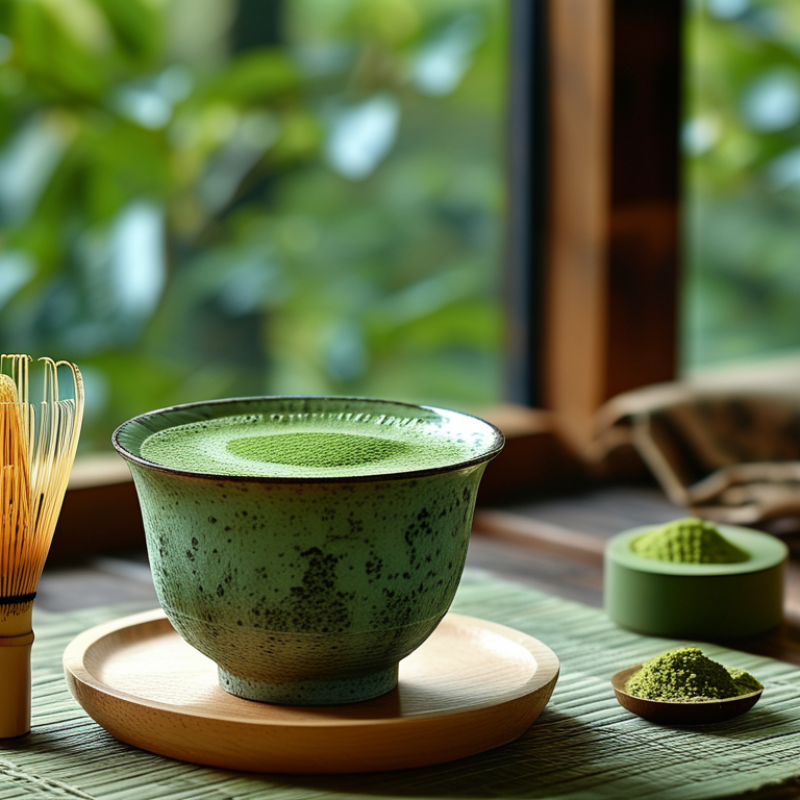
Ceremonial grade should describe matcha intended for drinking, not cooking. However, the term is not universally regulated. A reliable buyer should examine harvest details, origin, cultivar, and processing records. High-quality leaves are usually shade-grown before picking, then steamed, dried, and slowly stone-milled. This preserves a fine powder and a vivid green color.
Look closely at the bowl. Premium matcha often smells fresh, grassy, and gently sweet, like young peas or cut herbs. Its texture should feel silky, not sandy. The first sip may show umami, mild bitterness, and a clean finish.
Harsh bitterness can suggest older material, poor storage, or excessive heat. Yet color alone proves little. Some powders look bright but taste flat. I have learned that aroma and aftertaste reveal more than a photograph.
Tips: Ask for the harvest season, milling date, storage method, and independent testing information. Choose sealed, light-protective packaging with clear traceability. After opening, keep the powder cool, dry, and tightly closed. Use a small amount in water below boiling, then whisk until a soft foam forms. Taste it plain before adding milk or sweetener. A spoonful can expose defects. Do not confuse ceremonial grade with a guaranteed legal standard; supplier transparency and sensory evidence matter more.
Reliable sourcing begins with the producer, not the packaging. Ask where the tea was grown, harvested, processed, and milled. A trustworthy producer should provide a specific prefecture, harvest season, cultivar, and processing method. Vague phrases like “traditional Japanese quality” reveal little. I prefer farms that share field photographs, milling details, and clear batch information. Independent testing for heavy metals, pesticides, and microbial safety also strengthens confidence.
Growing conditions strongly influence matcha’s character. Established regions such as Uji in Kyoto, Nishio in Aichi, and parts of Kagoshima offer experienced growers and suitable climates. However, location alone does not guarantee excellence. Look for shaded tea fields, healthy leaves, careful hand-picking, and rapid steaming after harvest. Shade should deepen the leaves’ green color and support a smoother, more savory flavor. Stone milling should produce fine powder without excessive heat. Ask about particle texture.
Taste matters too. Premium matcha should dissolve evenly, with a vivid green appearance, gentle bitterness, and lingering umami. It should not smell dusty or taste sharply burnt. I once trusted a beautiful tin without checking its harvest date, and the flavor seemed flat. That mistake changed my buying process. Packaging can impress. Traceability matters more. Even regional claims deserve verification, because growing areas sometimes receive more attention than the actual farm.
Premium ceremonial matcha begins in the field, not on the label. Shade-grown tea should receive reduced sunlight for roughly 20 to 30 days before harvest. This encourages chlorophyll and L-theanine retention, creating a vivid green color and softer bitterness. Ask suppliers for shade duration, covering material, and field records. “Ceremonial” has no universal statutory grade, so traceability matters more than marketing language.
Harvest timing requires equal attention. The youngest spring leaves usually deliver finer texture and sweeter aromas. Japan’s Ministry of Agriculture, Forestry and Fisheries reported green-tea export value of approximately ¥36.4 billion in 2023. That growth increases demand, but it can also pressure producers to harvest quickly. I would not assume every first flush is superior. Cultivar, weather, soil, and picking standards still change the cup.
After picking, leaves should be steamed promptly to limit oxidation. They are then dried and processed into tencha, with stems and veins removed before milling. Traditional stone milling is slow, often producing only tens of grams per hour. USDA Foreign Agricultural Service reporting in 2024 linked Japan’s export momentum partly to expanding matcha demand. Inspect particle fineness, aroma freshness, and heat exposure during packing. A good powder should dissolve smoothly, though small clumps can appear naturally. That detail is easy to overlook. Request harvest dates, milling dates, storage temperature, and independent pesticide-residue documentation before purchasing.
| Evaluation Dimension | Premium Practice or Benchmark | Why It Matters | What to Verify When Sourcing |
|---|---|---|---|
| Cultivar and plant material | Tea cultivars selected for shaded production and a pronounced umami profile; cultivar information should be disclosed where available. | Genetics influence leaf size, color, aroma, bitterness, sweetness, and the level of naturally occurring amino acids and catechins. | Ask for the cultivar or cultivar blend, growing region, and whether the lot is traceable to a defined harvest area. |
| Shade-growing period | The tea bushes are shaded for approximately 2–4 weeks before harvest, using overhead coverings that substantially reduce direct sunlight. | Shading generally increases chlorophyll and L-theanine retention while reducing the development of some bitter-tasting compounds. | Confirm the duration, type of covering, shading intensity if available, and whether the entire lot—not only selected rows—was shaded. |
| Harvest timing | Made from the spring flush, particularly young leaves and buds harvested early in the annual growing season. | Young spring leaves are usually more tender and can provide a smoother texture, brighter color, and more balanced flavor. | Request the harvest year, picking season, and whether later summer or autumn harvest material was blended into the lot. |
| Picking standard | Tender shoots and young leaves are prioritized, with careful handling to limit bruising and contamination. | More mature leaves and coarse stems can contribute stronger bitterness, astringency, and a less refined mouthfeel. | Ask whether the material is hand-picked, machine-harvested, or a combination, and how foreign matter and coarse material are removed. |
| Immediate steaming | Freshly harvested leaves are steamed soon after picking to stop enzymatic oxidation and preserve a green tea character. | Prompt steaming helps maintain green color and fresh aroma instead of allowing the leaves to develop black-tea-like oxidation. | Verify that the leaves are processed as steamed tea rather than pan-fired or intentionally oxidized tea. |
| Tencha production | After steaming, the leaves are dried without rolling and processed into tencha, the raw material traditionally used for matcha. | Tencha processing creates a light, dry leaf structure suited to fine grinding and helps distinguish matcha from ordinary powdered green tea. | Confirm that the powder is made from tencha rather than whole-leaf green tea, sencha, or tea dust from another process. |
| Stem and vein removal | Stems and major veins are removed before grinding, producing a cleaner tencha leaf fraction. | Removing coarse parts can improve smoothness and reduce woody or harsh notes in the finished powder. | Ask about sorting, de-stemming, and the proportion of leaf material used in the final batch. |
| Grinding method | Slow, controlled stone milling is traditionally associated with high-grade matcha; modern mills may also be used when temperature and particle size are controlled. | Excessive heat and uncontrolled milling can dull aroma, alter color, and produce an uneven texture. | Request the milling method, temperature-control practices, particle-size specification, and protection from light and oxygen during milling. |
| Particle size and texture | A fine, uniform powder that disperses readily and feels smooth rather than gritty when whisked. | Fine, consistent particles improve suspension, mouthfeel, and the visual quality of the prepared beverage. | Ask for a particle-size range or quality specification, and evaluate the powder by whisking it with warm water. |
| Color and sensory profile | Vivid green color with a fresh vegetal aroma, rounded umami, mild sweetness, and limited harsh bitterness or astringency. | Sensory assessment integrates the effects of shading, harvest maturity, processing, storage, and freshness. | Use a standardized tasting: inspect dry powder, whisk with water, and record color, aroma, flavor, bitterness, astringency, body, and finish. |
| Freshness and packaging | Packed in an airtight, light-resistant container with a clear lot code, harvest or milling information, and a best-before date. | Matcha is sensitive to oxygen, light, heat, moisture, and odors, all of which can reduce freshness and color. | Check the packing date, storage conditions, seal integrity, container material, and whether the product was kept refrigerated when appropriate. |
| Safety and authenticity testing | A documented quality system with testing appropriate to the growing region and intended market, including contaminants and microbiological criteria where required. | Because matcha is consumed as a whole-leaf powder, contaminants present in the leaf are not removed through infusion. | Request a recent certificate of analysis covering relevant pesticide residues, heavy metals, microbiological parameters, and traceability details. |
Practical sourcing note: “Ceremonial grade” is a marketing term rather than a universally regulated international classification. Evaluate the documented production method, lot traceability, freshness, sensory quality, and safety testing instead of relying on the grade name alone.
Sourcing premium ceremonial matcha requires more than reading a grade label. In a bright room, examine the powder under natural daylight. High-quality matcha usually shows a vivid, clean green, not dull olive or gray. Color alone can mislead, especially after storage or heat exposure. Lift a small amount and smell it before whisking. Fresh powder often carries sweet grass, young peas, and a gentle sea-like note. A flat, dusty, or sharply stale aroma deserves caution. I once trusted color too quickly, and the cup tasted thin. That mistake changed my buying process.
Texture offers another practical test. Rub a pinch between dry fingertips; it should feel remarkably fine and silky, without gritty particles. When whisked, the powder should suspend smoothly and create a fine foam. Taste it without sugar. Premium ceremonial matcha may begin with umami, develop soft sweetness, and finish cleanly. Harsh bitterness can signal poor leaf material, excessive heat, or aging, though personal tolerance matters. Freshness is easier to judge from flavor and packaging details. Look for a recent milling date, an opaque airtight container, and minimal empty space. After opening, keep it cool, dry, and away from light. Do not rely on one tasting. Compare samples with identical water temperature and quantity. My assessment can still be imperfect; water quality and whisking technique may distort the result. Reliable sourcing means recording these variables and checking whether the matcha remains aromatic and vibrant over several uses.
How to Source Premium Ceremonial Matcha?
Verify Packaging, Certifications, Pricing, and Supplier Practices
Premium ceremonial matcha begins with careful verification, not attractive color alone. Inspect the package for an intact seal, opaque material, lot code, origin, and production date. Light and oxygen quickly damage matcha’s aroma and vibrant green color. The powder should arrive cool, dry, and free from clumps. Small details matter.
Request current certificates and match them to the exact supplier and product. Useful documents may include food safety records, organic certification, and batch-specific laboratory reports. Check the issuing organization, validity period, testing scope, and lot number. A certificate without matching batch information proves little. Ask for pesticide and heavy-metal testing when appropriate. Independent verification is stronger than a polished sales sheet.
Pricing needs careful comparison. Calculate the cost per gram, then include shipping, testing, packaging, and minimum-order requirements. Extremely low prices may reflect older harvests, weaker grading, or limited traceability. Yet high prices do not guarantee quality. I once trusted a premium quotation before checking storage conditions, and the sample tasted flat. That mistake changed my process. Request a small sample, written specifications, harvest details, and storage records. Ask how suppliers protect freshness during transport. Reliable suppliers answer clearly, admit limitations, and keep records. Some claims may still require independent confirmation.
Premium ceremonial matcha should be evaluated through several independent checks. Verify that the package protects the powder from light and oxygen, includes traceability details, provides credible certification evidence where claimed, uses transparent pricing, and demonstrates responsible supplier practices. The chart shows the five core verification areas recommended for a structured sourcing review.