Top French Fries Modeling Gummy Candy Manufacturers
The market for French Fries Modeling Gummy Candy is expanding through playful shapes, vivid colors, and highly recognizable food-inspired designs. These candies resemble crisp fries while delivering a soft, chewy texture. That contrast makes them attractive for novelty stores, online retailers, party favors, and themed confectionery collections.
This guide examines leading French Fries Modeling Gummy Candy manufacturers through product quality, shape accuracy, flavor development, packaging, production capacity, and compliance practices. Dr. Kantha Shelke, a food scientist and confectionery industry commentator, offers a useful principle: “Food innovation must balance sensory appeal with consumer trust.” That balance matters here. A convincing fry shape is valuable, but it should not replace ingredient transparency or reliable manufacturing controls.
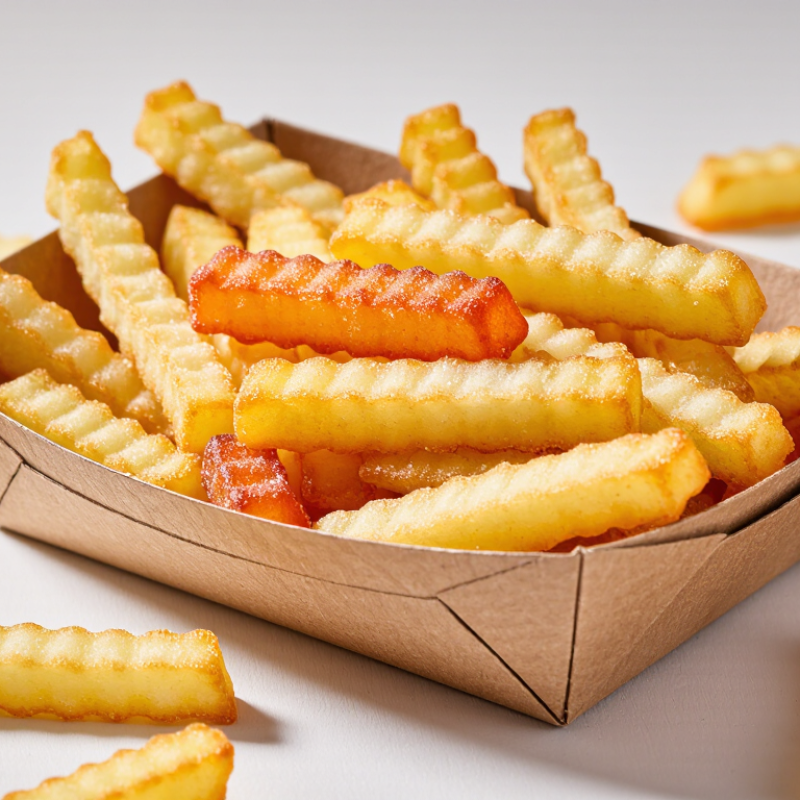
Strong manufacturers usually provide consistent dimensions, stable coloring, controlled sweetness, and packaging that protects texture. Some suppliers also support private labeling and customized designs. Details such as realistic ridges, matte finishes, and small paper-style bags can influence purchase decisions. Small details matter.
However, comparing suppliers is not perfectly simple. Public information can be incomplete, and product samples may differ from catalog images. Buyers should request specifications, allergen statements, sample batches, and current certifications before making decisions. Price alone can mislead. A lower quote may reflect thinner packaging, limited quality checks, or less flexible production.
This introduction sets a practical foundation for evaluating top manufacturers. It also recognizes an important limitation: market rankings can change as factories, regulations, and consumer preferences develop. The best choice depends on transparent evidence, dependable communication, and a product that performs consistently beyond the photograph.
French Fries Modeling Gummy Candy: Product Definition and Key Features
French fries modeling gummy candy is a novelty confection molded to resemble slender fried potato strips. It uses a soft gelatin or pectin-based gummy formula, flavored with fruit, citrus, or mild candy notes. The shape creates instant visual recognition, while the chew provides the main eating experience. It is candy, not a savory potato snack.
Reliable manufacturers control several details during production. They test elasticity, moisture balance, color stability, and resistance to sticking. Each gummy should bend slightly without tearing or becoming greasy. A pale golden color can suggest fries, while light sugar dusting may imitate salt. However, excessive coating can hide the shape and create an unpleasant texture.
Food-grade ingredients, allergen controls, traceability, and accurate labeling are essential quality markers. Manufacturing teams should verify batch records and packaging seals before shipment. In product evaluations, the strongest samples usually keep their shape after transport and remain fresh at room temperature. The illusion is never perfect. Some pieces look more like fruit strips than fries, especially when the color is too bright. That flaw deserves attention, because appearance drives much of the product’s appeal. Clear storage guidance also matters, particularly for heat-sensitive gummy formulas.
French Fries Modeling Gummy Candy: Product Definition and Key Features
French fries modeling gummy candy is a sugar-based confection molded into thin fry-like shapes. Its key features typically include a soft, elastic texture, vivid colors, fruit or sour flavoring, and a high carbohydrate and sugar content.
The chart presents a representative composition benchmark per 100 g for conventional sugar-based gummy confectionery. Actual values vary by recipe, gelling agent, coating, and regional labeling requirements.
How French Fries Shaped Gummy Candies Are Manufactured
French fries shaped gummy candies begin with a food-grade recipe designed for flexible texture and clear color. Manufacturers commonly combine sugar, glucose syrup, water, and a gelling agent. Gelatin creates a springy bite, while pectin can support vegetarian formulations. The mixture is heated in a jacketed kettle until the solids dissolve evenly. Temperature control matters because overheating can darken the candy or weaken its flavor.
The warm gummy mass is deposited into narrow fry-shaped molds, often made from starch or food-safe silicone. Each cavity must receive a consistent weight. Otherwise, some pieces look like thick wedges instead of fries. After depositing, the candies cool until they hold their shape. They may then receive a light oil coating to reduce sticking and add a subtle shine. Color is usually layered carefully, with pale yellow tones for the center and slightly darker edges for a cooked appearance.
Quality staff inspect samples for length, firmness, surface marks, and flavor balance. They also verify ingredient records, allergen controls, and sanitation procedures. A metal detector and sealed packaging help protect the finished product. The process sounds simple. It is not. Tiny temperature changes can alter the final chew, and visual accuracy still needs improvement in some batches.
Criteria for Evaluating Leading Gummy Candy Manufacturers
Evaluating leading gummy candy manufacturers requires more than admiring a realistic French fries shape. Grand View Research estimated the global gummy market at about USD 19 billion in 2023, with strong growth expected through 2030. That growth increases supplier competition, but it does not guarantee dependable production. Buyers should inspect molding precision, color consistency, chew resistance, and flavor stability across several batches. A convincing sample is not enough.
Ask for evidence. Request third-party food safety certifications, allergen-control procedures, traceability records, and recent laboratory results. The manufacturer should explain its sugar, gelatin or pectin, coloring, and flavor controls clearly. Innova Market Insights’ 2024 food and beverage tracking highlights continued interest in playful formats and customized products. This supports demand for fry-shaped gummies, yet customization can expose weak quality systems. Confirm whether the supplier can repeat tiny ridges, irregular edges, and pale golden tones at commercial volume.
Production capacity also deserves practical testing. Review pilot samples, minimum order quantities, lead times, packaging performance, and complaint-response procedures. Packaging should prevent melting, sticking, and color transfer during transport. I would compare samples after storage, not only on delivery day. That step is often missed. A glossy first sample can mislead. Ask for batch-to-batch data, not promises. The best evaluation combines factory experience, documented controls, sensory testing, and honest discussion of limitations. Even a capable producer may need several trials before the texture feels convincingly like a soft, ridged fry.