What is an Rv Cooler and How Does It Work?
An Rv Cooler is an essential tool for outdoor enthusiasts and road travelers. It keeps beverages and food cold, ensuring a pleasant experience on the road. According to the Recreational Vehicle Industry Association, over 11 million households in the U.S. own an RV. This trend indicates a rising demand for efficient cooling solutions like RV coolers.
The key to RV coolers lies in their design and functionality. They utilize insulation, refrigeration technology, or ice to maintain low temperatures. Research shows that proper insulation can retain cold air, making coolers more effective. As temperatures rise, having a reliable RV cooler becomes crucial for staying comfortable during trips.
However, not all RV coolers are created equal. Many options lack the durability or efficiency needed for extended travels. As consumers seek quality, it's important to reflect on what makes an RV cooler truly effective. A good cooler should balance size, weight, and cooling duration. With the right choice, an RV cooler can significantly enhance the traveling experience, making it a worthy investment for adventurers.
What is an RV Cooler?
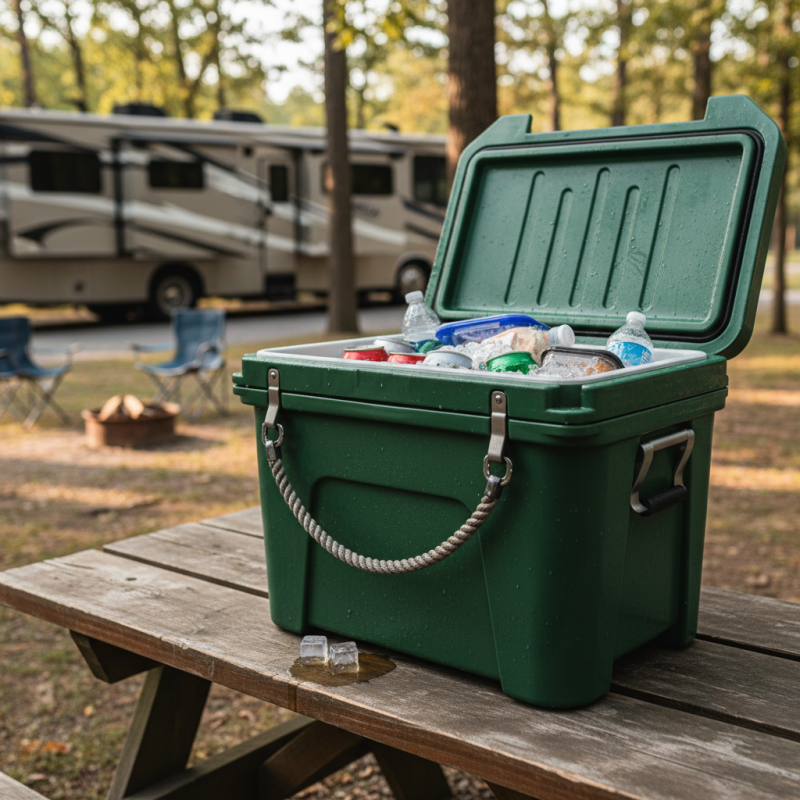
An RV cooler is a portable cooling solution designed for recreational vehicles. It allows travelers to keep food and drinks cold while on the go. Many RV coolers utilize various technologies to maintain a low temperature, ensuring items stay fresh during long trips. They come in different sizes, catering to various needs, from weekend camping to extended road trips.
The operation of an RV cooler often involves either ice or electric power. Ice coolers require ice packs or dry ice to generate cold temperatures. This method is simple but may require frequent ice replenishment. Electric coolers, however, use a compressor or thermoelectric technology. These models can maintain a steady temperature and may offer a freezer option. Travelers appreciate the convenience electric coolers provide, but they do depend on a power source, which can sometimes limit flexibility.
Using an RV cooler effectively requires attention. Choosing the right size matters; an overly large model can waste energy, while a small cooler may not accommodate enough supplies. Packing it strategically can also improve performance. Overloading the cooler can restrict airflow, preventing proper cooling. Additionally, frequent opening allows warm air in, reducing efficiency. Understanding these factors will enhance the cooling experience and make road trips more enjoyable.
Key Features of RV Coolers
RV coolers are vital for outdoor adventures. They keep food and drinks cold, enhancing comfort during trips. The best RV coolers come with various key features that improve functionality and efficiency.
One major feature is insulation. High-quality insulation materials can maintain cold temperatures for extended periods. This is especially important on hot days.
Another essential aspect is portability. Many RV coolers have wheels or handles for easy transportation. Lightweight designs make loading and unloading simple. Additionally, a sturdy exterior ensures durability, resisting wear and tear from outdoor conditions.
A third important feature is versatility. Some coolers can serve as both a cooler and a portable fridge. This flexibility caters to varying needs. Users often appreciate extra compartments for organization. It helps to separate food types and beverages, preventing cross-contamination.
Despite these benefits, some find it challenging to choose the right cooler. It's vital to consider size, weight, and intended use. This reflection can lead to better decisions for future outings.
How RV Coolers Function
RV coolers play an essential role for campers and travelers, especially during hot weather. These coolers utilize various technologies to keep food and beverages cold. Most RV coolers work through a combination of insulation and advanced cooling systems. The insulation minimizes outside heat gain, while the cooling mechanism circulates cold air inside, maintaining a steady temperature.
Electric RV coolers often rely on a compressor or thermoelectric system. The compressor-based coolers mimic a refrigerator's functioning. They remove heat and produce cold air effectively. Thermoelectric coolers, on the other hand, are quieter and lighter but may not provide the same cooling power. Some users might find these mechanisms less efficient for longer trips without a reliable power source.
When choosing an RV cooler, aspects like capacity and cooling time matter. Understanding how long it takes to chill items can prevent disappointment. Many may neglect the importance of pre-cooling their items or packing food strategically. Careful planning can enhance performance. RV coolers require attention to details for optimal usage. Often, trial and error will lead to realizing the best methods for maintaining cold temperatures effectively.
RV Cooler Efficiency Comparison
This chart compares the cooling duration of different RV coolers, showing how long each can maintain a low temperature. Cooler A lasts the longest at 12 hours, while Cooler D maintains its temperature for only 8 hours.
Different Types of RV Coolers
When it comes to RV coolers, there are several types to consider. Each type serves a different purpose and caters to unique needs. For those who enjoy camping in remote areas, the traditional ice cooler is a popular choice. These coolers rely on ice to keep items cold and can be quite effective. However, they do require regular replenishing of ice to maintain their cooling performance.
Another popular option is the electric cooler. These coolers connect to your RV's power supply. They work like a refrigerator and can keep your food and drinks chilled without the hassle of ice melting. They come with different sizes and capacities, making them versatile for various camping situations. However, they may drain your battery if not managed properly.
For more tech-savvy individuals, thermoelectric coolers are worth exploring. They use an electric current to create a temperature difference. This allows them to cool items efficiently. However, their performance can diminish in higher ambient temperatures. Choosing the right cooler depends on your specific needs and camping style.
What is an RV Cooler and How Does It Work? - Different Types of RV Coolers
| Cooler Type | Cooling Technology | Capacity (Liters) | Power Source | Weight (kg) |
| Electric Cooler | Compressor | 40 | 12V or AC | 15 |
| Passive Cooler | Insulation | 30 | None | 5 |
| Thermoelectric Cooler | Peltier Plate | 20 | 12V | 10 |
| Absorption Cooler | Absorption System | 50 | Propane or 12V | 18 |
| Ice Chest | Ice Packs | 25 | None | 3 |
Tips for Choosing the Right RV Cooler
When choosing the right RV cooler, consider size first. A cooler too small won’t fit your needs. Check your space and plan accordingly. Capacity is essential for long trips. You want enough room for food and drinks.
Next, think about insulation quality. A well-insulated cooler will keep items cold longer. Look for materials that perform well under heat. Some models struggle in high temperatures, which can be frustrating. You'll want reliability during your adventures.
Don’t forget portability features. Handles and wheels make transportation easier. A cooler that’s hard to move can hinder your travels. Also, consider the cooler’s weight. If it’s too heavy, it may not be practical. Reflect on your specific needs and preferences before committing. That way, you ensure your cooler truly fits your lifestyle.