Top 10 Farm Equipment Parts Buyers Must Know?
In the world of agriculture, understanding farm equipment parts is crucial. Farmers rely on these components for optimal performance and longevity of their machinery. Knowing the right parts can enhance productivity and reduce downtime.
Many newcomers might overlook the importance of quality parts. Choosing the right suppliers and materials can mean the difference between success and failure. Farmers should not only consider price but also the compatibility and durability of parts. Investing in farm equipment parts often pays off in the long run.
Awareness of the critical components can empower buyers. It helps them make informed decisions. Navigating the market can be challenging, filled with countless options and potential pitfalls. A solid grasp of essential parts is vital in avoiding wasted resources and ensuring seamless operations.
Understanding Essential Farm Equipment Parts for Optimal Performance
Understanding essential farm equipment parts is vital for optimal performance. Farmers need to be aware of their equipment's components. Each part plays a crucial role in efficiency and productivity. Knowing the function of these parts can help prevent costly breakdowns.
Take, for example, the importance of the hydraulic system. It controls various functions, including lifting and lowering implements. Neglecting this part can lead to significant operational failures. Regular checks are essential to maintain functionality. Similarly, the condition of tires affects traction and fuel efficiency. Worn tires can hinder performance and increase fuel consumption.
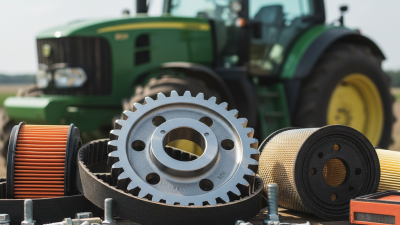
Farmers often overlook minor components, like filters and belts. Ignoring these can lead to larger issues. A small hole in a belt can be a costly repair if not addressed. Understanding how each part interacts with others is vital. This knowledge can lead to better decision-making regarding repairs and replacements. Keeping track of maintenance schedules is another key aspect to enhance longevity and reliability of farm equipment.
Top 10 Essential Farm Equipment Parts
Key Factors to Consider When Purchasing Farm Equipment Parts
When purchasing farm equipment parts, key factors can significantly impact your decision. First, understand the compatibility of the parts with your existing machinery. Poor compatibility leads to inefficiency and can cause equipment failures. According to a 2021 industry report, nearly 30% of farmers face unexpected downtime due to incorrect part selections. Ensure that the specifications match your equipment's requirements before making any purchase.
Price is another critical factor. While it can be tempting to opt for the lowest cost available, consider the long-term value. Research shows that investing slightly more in high-quality parts can enhance performance and reduce replacement frequency. A study found that quality components could last up to 40% longer compared to cheaper options. Balancing upfront costs with potential savings can be challenging but necessary for effective farm management.
Moreover, sourcing from reliable suppliers is essential. Not all parts are created equal. Some may lack the durability needed for rigorous agricultural operations. Trustworthy suppliers often provide warranties or guarantees, which offer peace of mind. The American Society of Agricultural and Biological Engineers emphasizes the importance of researching suppliers to avoid future regrets. Spending time on this aspect may save significant costs later on.
Top 10 Farm Equipment Parts Buyers Must Know
| Criteria |
Importance Level |
Recommended Action |
| Compatibility |
High |
Verify part compatibility with your equipment model |
| Quality |
High |
Select durable materials verified by user reviews |
| Warranty |
Medium |
Investigate warranty options for protection |
| Cost |
High |
Compare prices across multiple suppliers |
| Supplier Reputation |
Medium |
Research suppliers and read reviews |
| Delivery Time |
Medium |
Confirm estimated delivery times before purchase |
| After-Sales Support |
Medium |
Check for customer service accessibility |
| Product Availability |
High |
Ensure parts are readily available for quick replacement |
| Longevity |
High |
Choose parts known for longer life spans |
| User Feedback |
Medium |
Look for feedback from other users for insights |
Common Types of Farm Equipment Parts and Their Functions
Farm equipment parts are essential for optimal agricultural performance. Understanding these components helps farmers improve productivity. Common parts include tractor engines, hydraulics, and transmission systems. Each plays a crucial role in the overall efficiency of machinery.
Tractor engines offer the power needed for various tasks. According to the U.S. Department of Agriculture (USDA), nearly 70% of farmers rely heavily on tractors for planting and harvesting. Hydraulic systems allow for smooth operation of attachments. A malfunction here can lead to significant downtime, impacting the farming schedule. Transmission systems are vital for effective speed control, enabling operators to adapt to different field conditions.
Regular maintenance of these parts is crucial. Reports indicate that neglecting equipment can increase repair costs by 30%. Farmers should prioritize inspections and replacements of worn parts. This approach not only minimizes unexpected breakdowns but also enhances the lifespan of machines. A small cost now can prevent larger expenses later. Understanding each component helps in making informed decisions about maintenance strategies and purchases.
Tips for Identifying Quality Farm Equipment Parts
Identifying quality farm equipment parts is crucial for optimal performance and longevity. According to a report by the Association of Equipment Manufacturers, nearly 30% of farmers experience equipment failure due to subpar parts. This statistic highlights the impact of part quality on productivity. When purchasing parts, it is essential to consider materials used in manufacturing. Look for high-quality metals and durable plastics that offer resistance to wear and tear.
Another critical factor is compatibility. Equipment does not operate efficiently with mismatched parts. Studies show that improper fit can reduce machine efficiency by up to 15%. This emphasizes the need for precise measurements and specifications. Regular maintenance and inspections can aid in identifying wear signs. Diligent farmers often document their equipment's performance over time, tracking any anomalies.
It's also important to seek knowledgeable suppliers. Technical support and guidance can help in choosing the right components. However, not all suppliers provide reliable information. Always ask for warranty details. A strong warranty often indicates confidence in product quality. Quality parts may have higher upfront costs, but they can save money on repairs and downtime in the long run. Investing wisely now protects future harvests.
Maintaining and Repairing Farm Equipment Parts for Longevity
Maintaining farm equipment parts is crucial for ensuring longevity and efficiency. According to industry studies, regular maintenance can increase the lifespan of machinery by up to 30%. This includes checking hydraulic systems, changing oil regularly, and inspecting belts and hoses. Neglecting even small issues can lead to costly repairs. Monitoring wear and tear is essential. A simple replacement can prevent major breakdowns down the line.
Frequent inspections pay off significantly. The American Society of Agricultural and Biological Engineers recommends a quarterly review of all major components. Tractors, for instance, can experience severe wear if not properly maintained. Approximately 25% of equipment failures are attributed to poor maintenance practices. Keeping a detailed log of repairs and maintenance schedules helps track the condition of equipment.
Investing time in repairs can prevent equipment failure. In some cases, farmers opt to replace parts rather than fix them. However, this can be wasteful and unnecessary. Understanding the specifics of each component can lead to more informed decisions. Balancing repair versus replacement is key. Documenting what works and what doesn't can help refine future maintenance strategies.