How to Use Freeze Dried Fruits in Your Cooking and Snacks?
Freeze Dried Fruits have become a popular choice for many home cooks and snack lovers. These fruits offer convenience and versatility for various dishes. Imagine the vibrant taste of strawberries or mangoes, preserved in their purest form.
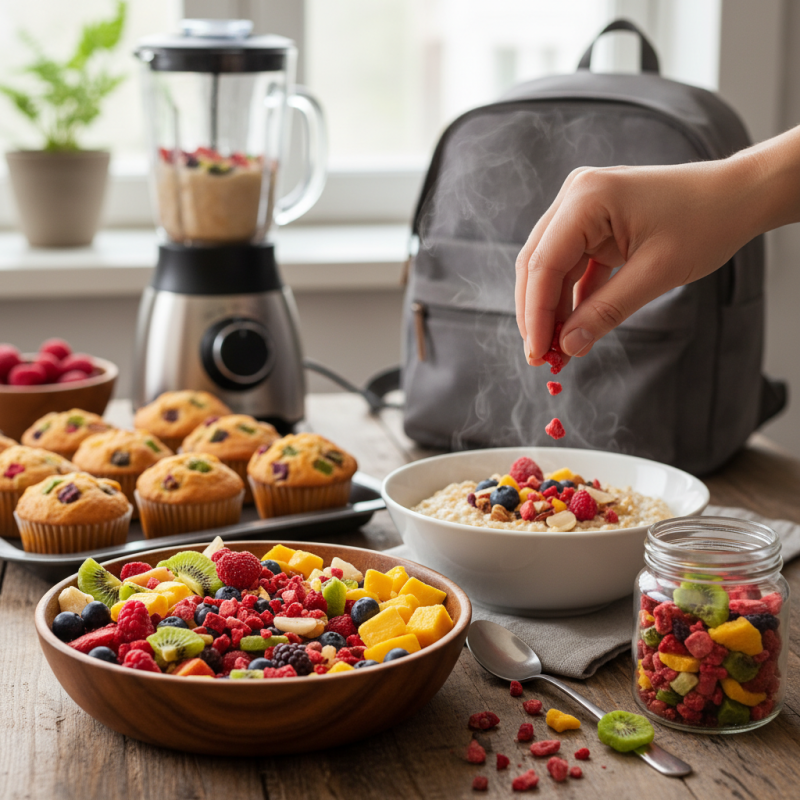
Incorporating freeze dried fruits into your cooking is easy. They can be added to smoothies, oatmeal, and even baked goods. Their lightweight nature makes them perfect for on-the-go snacks. However, some may find it challenging to adjust the hydration needs of these fruits. Too much water can lead to sogginess. Finding the right balance takes experimentation.
When using freeze dried fruits, remember to savor the process. Not every attempt will yield perfect results, and that’s okay. Enjoy the learning journey as you explore new flavors and textures. You might discover delicious combinations you never thought possible.
Understanding Freeze Dried Fruits: What They Are and How They're Made
Freeze dried fruits have gained popularity in recent years due to their convenience and nutritional value. The freeze-drying process involves removing moisture from fresh fruits. This method preserves vitamins and minerals more effectively than traditional drying methods. According to industry reports, the global freeze-dried food market was valued at approximately $1.5 billion in 2021, with a projected growth rate of around 7% annually over the next decade.
Understanding how freeze-dried fruits are made can enhance your cooking. The process starts with fresh, ripe fruits. They are then frozen and subjected to a vacuum that removes water through sublimation. This leaves a product that retains the fruit's flavor, color, and shape, albeit in a lightweight, crunchy form. However, the lack of moisture can alter texture, making for an interesting, but sometimes unexpected, eating experience.
While freeze-dried fruits are versatile, it is essential to consider their uses. They can be added to smoothies, baked goods, and even salads. One challenge is that some fruits may not rehydrate effectively. For instance, freeze-dried strawberries can maintain a chewy texture. It’s good to experiment and find what works best for your recipes. Balancing nutrition with flavor can lead to some less satisfactory results. Adjusting your expectations is key.
Benefits of Using Freeze Dried Fruits in Cooking and Snacks
Freeze dried fruits are a fantastic addition to your cooking and snacking. They retain most of their nutrients and flavors, making them a healthier option. Unlike fresh fruits, they have a longer shelf life, which reduces waste. You can easily add them to smoothies, oatmeal, or even baked goods for extra flavor and nutrition.
Cooking with freeze dried fruits can also spark your creativity. Think about tossing them into salads or using them in savory dishes. The texture can be a bit different, but that's part of the fun. You might find the concentrated sweetness surprises you. However, they can sometimes be pricier, so plan your budget accordingly. Experimentation may lead to some culinary surprises—good or bad.
Aside from convenience, these fruits are lightweight and easy to store. You can take them on trips or keep them handy for a quick snack. Just be mindful of hydration while using them. Sometimes rehydration can alter your dish unexpectedly. It's all about balance, and finding the right recipes will take practice.
Benefits of Using Freeze Dried Fruits in Cooking and Snacks
Freeze-dried fruits offer multiple benefits in cooking and snacks. This chart illustrates their advantages, providing insights on nutritional value, flavor, shelf life, versatility, weight, and convenience. The scores reflect their effectiveness in these dimensions, helping you understand how incorporating freeze-dried fruits can enhance your culinary experience.
Creative Ways to Incorporate Freeze Dried Fruits into Recipes
Freeze-dried fruits are versatile and tasty. You can add them to a variety of dishes. These fruits retain most of their nutrients and flavors. A study shows that freeze-dried products maintain 90% of their vitamins. This makes them a smart choice for healthy cooking.
One creative way to use freeze-dried fruits is in baking. Sprinkle them into muffin or pancake batter for a burst of flavor. They provide natural sweetness without added sugars. You can also blend them into smoothie bowls for color and texture. Adding a few pieces can elevate a simple dish into something special.
When snacking, freeze-dried fruits serve as a crunchy alternative. Top your yogurt with them for added fun. Make trail mixes that include nuts and seeds. This helps create a fulfilling snack full of energy.
Tips: Rethink your recipes! You might need to adjust moisture levels. Remember, some freeze-dried fruits are sweeter than fresh ones. Taste as you go to find the right balance.
Tips for Rehydrating Freeze Dried Fruits for Enhanced Flavor
Freeze dried fruits add a unique twist to your cooking and snacks. They’re lightweight and retain many nutrients. However, they often need rehydration for the best flavor and texture. Here are some tips to achieve that.
To enhance flavor, soak freeze dried fruits in warm water for about 10 to 15 minutes. This process can help revive their original taste. You can also use fruit juice instead of water, infusing extra sweetness. After soaking, use the fruits in smoothies, yogurts, or baked goods. Remember, not all fruits absorb water equally. Some may still feel a bit tough. Adjust the soaking time as needed.
Another method is to rehydrate with hot liquids. Using hot tea or broth can create unique flavors in your dishes. It’s useful for soups or stews. Keep an eye on the texture. Sometimes, they might still feel a bit chewy. Experimenting is key. Over-soaking can lead to mushy fruits.
Using freeze dried fruits opens up a world of culinary possibilities. With the right rehydration methods, you can elevate your recipes. Enjoy the vibrant flavors they bring to your snacks and meals.
Storage and Shelf Life: Keeping Freeze Dried Fruits Fresh
Freeze-dried fruits have become popular for their convenience and nutritional value. However, proper storage is crucial to maintaining their freshness. According to industry data, freeze-dried fruits can retain over 90% of their nutrients when stored correctly. It's essential to keep them in a cool, dark place, away from moisture. Airtight containers not only prevent air exposure but also protect against pests.
The shelf life of freeze-dried fruits can vary. Many can last five to ten years when stored properly. However, they lose flavor and texture over time. It's easy to overlook this aspect, as many assume they will last indefinitely. In a study by the Food Industry Association, over 30% of consumers are unaware of proper storage practices. This lack of knowledge can lead to wasted products and poor culinary experiences.
When considering using freeze-dried fruits in recipes, freshness impacts taste and quality. They can rehydrate in water or be added directly to dishes. Experimenting with different recipes may uncover new flavor combinations. Yet, if the fruits are stale, the results can be disappointing. It’s vital to regularly check for signs of degradation, such as off-odors or changes in color.