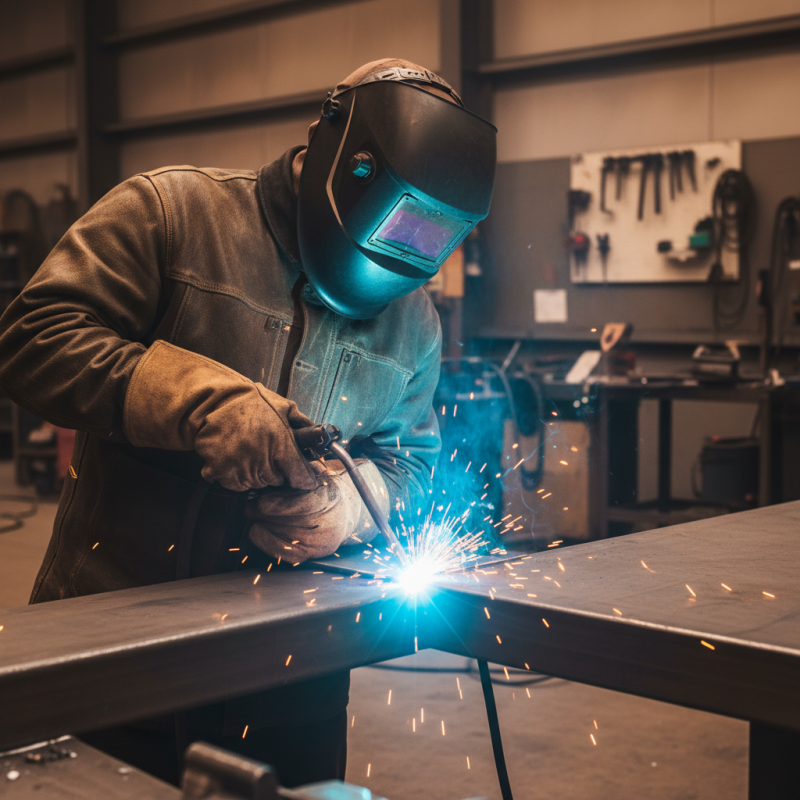
What is Welding Protection and Why is it Important?
Welding is a vital process in numerous industries. However, it poses significant risks. Proper Welding Protection is essential for safety. According to Sarah Johnson, a leading expert in welding safety, “The right protection can mean the difference between life and death.”
Welding generates intense heat and harmful fumes. Eye protection and respiratory gear are crucial. Furthermore, the risk of burns or injuries from sparks is substantial. Workers must have high-quality equipment. Yet, some still underestimate its importance, leading to preventable accidents.
Awareness of these dangers is essential. Each welder must prioritize their safety. Neglecting Welding Protection can have dire consequences. Personal protective equipment should never be an afterthought. Instead, it needs to be a fundamental part of every welding operation. Investing in proper gear is not just a choice; it is a necessity.
What is Welding Protection?
Welding protection refers to the safety measures and equipment used to shield workers from hazards associated with welding processes. Welders face numerous dangers, including exposure to intense heat, UV radiation, and harmful fumes. According to the American Welding Society, approximately 400,000 welders work in various industries in the United States alone. Adequate welding protection is critical for these professionals to minimize risk.
Common welding protective gear includes helmets, gloves, and protective clothing. Helmets with proper face shields can reduce the likelihood of severe eye injuries from bright sparks or harmful rays. A study by the Institute for Occupational Safety and Health indicates that 25% of welding-related injuries stem from inadequate eye protection. Gloves are essential for preventing burns and cuts while handling hot metals. However, too many welders neglect to replace worn-out gloves, leading to increased injury rates.
Environmental factors also contribute to the importance of welding protection. Poor ventilation can cause harmful fume accumulation, increasing the risk of respiratory problems. Data from the Occupational Safety and Health Administration highlights that respiratory issues account for 14% of workplace injuries in welding. Workers often overlook the significance of proper ventilation, compelling them to work in unsafe conditions. Awareness and training on the importance of welding protection can help reduce such dangers significantly.
Types of Welding Protection Equipment
Welding protection is crucial for safety in the workplace. The process involves high temperatures and hazardous materials. Workers face risks such as burns, eye injuries, and inhalation of harmful fumes. According to a report by the The American Welding Society, over 50% of welding-related injuries involve eye damage.
Types of welding protection equipment vary widely. Protective gear includes helmets with auto-darkening filters. These helmets shield the face and eyes from harmful ultraviolet rays. Gloves are also essential. They should resist heat and abrasion. Quality gloves prevent cuts and burns while handling hot materials.
Respirators are critical in environments with poor ventilation. They filter out harmful fumes and particulates. The CDC reports that about 20% of welders develop respiratory issues over time. It's a reminder of the need for proper safety measures. The right equipment drastically reduces risks. Many industry standards emphasize using personal protective equipment (PPE) consistently. The commitment to safety should never waver.
Importance of Welding Protection in Occupational Safety
Welding protection is essential in safeguarding workers in the industrial sector. The intense heat and sparks produced during welding can lead to serious injuries. Burns, eye damage, and respiratory issues are common hazards. Proper protective gear significantly reduces these risks.
Welding helmets shield against harmful UV rays and intense light. Gloves protect hands from heat and sparks. Yet, many workers overlook the importance of proper fit and quality. A helmet that’s too loose or gloves that wear out can compromise safety. It’s crucial for workers to regularly inspect their gear for wear and tear.
Moreover, awareness of surroundings matters. Poor ventilation can lead to harmful fumes, even with proper gear. Workers must understand their environment. This often gets neglected in busy workplaces. Training on welding safety should include recognizing both equipment and environmental risks. It's an ongoing process that needs attention.
Regulations and Standards for Welding Protection
Welding protection is crucial for maintaining safety and health in welding environments. Regulations and standards must guide how welders protect themselves from various hazards. The American National Standards Institute (ANSI) and Occupational Safety and Health Administration (OSHA) outline specific requirements. For example, ANSI Z49.1 provides guidelines on safety practices in welding.
In 2021, the Bureau of Labor Statistics reported that welders faced a higher-than-average risk of workplace injuries. These injuries often stem from exposure to fumes, sparks, and ultraviolet light. Compliance with regulations helps reduce these risks, but many workplaces still lack comprehensive protective measures. It’s concerning that some employers may overlook these standards, placing workers at unnecessary risk.
Tips: Always use appropriate Personal Protective Equipment (PPE). This includes welding helmets, gloves, and protective clothing. Regular training on safety practices is also essential. Despite best efforts, adherence to safety protocols can wane over time. Continuous evaluation of safety training and gear is vital in reducing accidents. Striving for a culture of safety ensures everyone is more aware and proactive.
Best Practices for Using Welding Protection Equipment
Welding protection is essential for safety in welding operations. Proper equipment can drastically reduce the risk of injury. According to the American Welding Society, 50% of injuries in welding are caused by lack of protective measures. It's crucial to prioritize safety from the start.
Using protective gear like helmets, gloves, and clothing is key. Ensure the helmet has the correct shade for the type of welding. This is vital to prevent eye damage from bright arcs. Gloves should be heat-resistant to avoid burns. Not all gloves fit well, so choose wisely. Misfit gloves can lead to reduced control, increasing risks.
Training on proper use is often neglected. Workers might overlook the significance of regular inspections of gear. Safety equipment can wear out, leading to false security. A report by OSHA notes that improper gear use contributes to 30% of workplace injuries in welding. Emphasizing constant vigilance can greatly enhance safety in the welding environment.
Welding Protection: Importance and Best Practices