Why Is Agricultural Equipment Maintenance Important?
Agricultural equipment maintenance is essential to safe, productive, and profitable farming. Tractors, combines, planters, and irrigation systems work under dust, vibration, moisture, and heavy loads. Small problems can grow quickly. A loose belt may become a broken drive system during harvest. A clogged filter can reduce engine performance and increase fuel consumption. These failures rarely happen at a convenient time.
Good maintenance protects both machinery and the people operating it. Experienced farmers inspect tires, fluid levels, filters, electrical connections, and safety guards before demanding work begins. They also follow manufacturer recommendations, service intervals, and trained technician advice. Accurate records make this process more reliable. A simple note about an unusual noise may prevent an expensive repair later. Clean grease points matter too. Mud around a bearing can hide early wear.
Maintenance is not always perfect. Weather changes, labor shortages, and urgent fieldwork can push inspections aside. That reality deserves honest attention. A rushed repair may solve today’s problem while creating another tomorrow. Operators should pause when equipment behaves differently, even if the machine still moves. Preventive care usually costs less than emergency downtime, but the savings vary by crop, machine age, and working conditions. There is no universal checklist.
This guide explains why agricultural equipment maintenance matters across daily operations. It considers reliability, operating costs, worker safety, equipment lifespan, and environmental responsibility. Practical habits, supported by service manuals and professional inspections, can help farms make better decisions. The goal is not perfect machinery. It is dependable performance when the field, season, and business demand it most.
What Agricultural Equipment Maintenance Involves
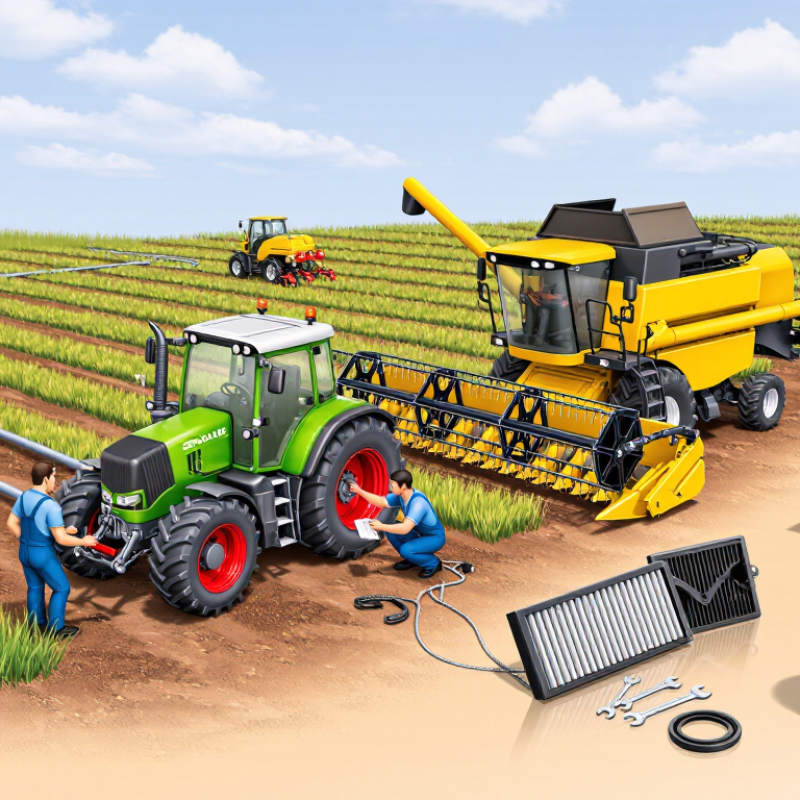
Agricultural equipment maintenance involves more than changing oil after a breakdown. It begins with a walk-around before work. Check tires, guards, hitch points, hoses, lights, and fluid leaks. A loose belt can turn a quiet morning into lost planting hours. Clean air filters matter in dusty fields. Blocked filters make engines work harder and raise fuel use. Grease moving joints according to the service schedule, not just when they squeak. Hydraulic connections deserve special attention. A small crack may release pressure suddenly. Use the correct fluid and keep containers sealed. Contamination is easy to introduce and expensive to remove. Keep power isolated before clearing debris. That habit protects hands and equipment.
Maintenance also includes measurement and records. Check tire pressure with a gauge, not by appearance. Inspect battery terminals, wiring, coolant level, and brake response. Replace worn parts before they damage nearby components. Calibration matters too. Seed meters, sprayers, and spreaders can apply uneven amounts when settings drift. Record dates, readings, repairs, and unusual noises. These notes help reveal repeated problems across seasons. I once ignored a faint vibration because the machine still worked. The repair later took longer than the inspection would have. That mistake still shapes my routine. Yet schedules are not perfect. Dust, heavy loads, and wet storage change service needs. Review the manual and local working conditions together. If a fault remains unclear, stop and ask a qualified technician. Guesswork has no place beside rotating parts.
Why Is Agricultural Equipment Maintenance Important?
Preventive maintenance keeps critical agricultural systems reliable, reduces avoidable downtime during narrow planting and harvesting windows, and helps equipment operate safely and efficiently.
The chart shows common baseline service intervals in operating hours used for agricultural maintenance planning. Actual intervals depend on equipment design, operating conditions, workload, and the service manual.
Why Regular Maintenance Matters for Farm Operations
Why Is Agricultural Equipment Maintenance Important?
Regular maintenance keeps farm operations moving when timing matters most. A delayed tractor during planting can leave prepared soil exposed to rain. A blocked combine can turn a full harvest day into several lost hours. These problems rarely begin dramatically. They often start with low fluid, a loose belt, or a neglected filter.
I have seen operators spend ten minutes checking tire pressure before entering a field. That small habit improved traction and reduced uneven soil compaction. Daily inspections should include oil levels, hydraulic connections, lights, brakes, and visible leaks. Operators should also clear plant residue from moving parts after dusty work. A clean machine reveals cracks and loose fasteners more easily. Maintenance records add another layer of control. Dates, meter readings, replaced parts, and unusual noises help technicians identify repeated faults.
Small details matter.
Still, maintenance plans are not perfect. A busy season can push inspections aside, especially when weather windows are short. I once underestimated a minor coolant leak, and the repair became more expensive after continued use. That mistake reinforced an important lesson: unusual smells, rising temperatures, and new vibrations deserve attention. Manufacturers’ service schedules and qualified technicians provide reliable guidance for complex systems. Operators should never guess when a repair involves high pressure, heavy loads, or safety controls. A practical schedule can combine quick daily checks, weekly cleaning, and professional seasonal servicing. This approach protects equipment, supports predictable fieldwork, and gives farm teams clearer decisions during demanding days.
Key Maintenance Tasks for Different Equipment Systems
Agricultural equipment maintenance protects uptime, soil quality, and operator safety. A practical inspection should match each machine system, not follow one generic checklist. Before starting, park on firm ground, lower attached tools, stop the engine, and release stored pressure. A rushed inspection can still miss a loose guard or damaged hose.
For the engine system, check oil level, coolant, filters, belts, and unusual exhaust color. Look for dust packed around cooling fins, especially after dry fieldwork. Hydraulic systems need clean fluid, secure fittings, and hoses without cracks, bulges, or wet connections. Never search for a hydraulic leak with bare hands. Electrical maintenance includes testing battery connections, inspecting wiring insulation, and cleaning corrosion from terminals. Small faults often appear as slow cranking or flickering lights.
Tires and tracks affect traction, fuel use, and field compaction. Measure tire pressure when the tires are cool, and inspect sidewalls for cuts or embedded stones. For tracks, examine tension, rollers, and uneven wear. Implements require attention too. Grease pivot points, tighten fasteners, inspect cutting edges, and replace worn guards before they fail. Record service dates, fluid changes, observed defects, and repairs in a clear log. It is easy to overlook one fitting. A second inspection helps. Maintenance schedules should follow the equipment manual, operating hours, weather, and workload, while trained technicians should handle complex repairs.
How to Create an Effective Agricultural Maintenance Schedule
Agricultural equipment maintenance matters because small faults can become expensive failures during critical fieldwork. A loose belt, low tire pressure, or blocked filter may stop a planting day. An effective schedule begins with actual working conditions, not a generic calendar. Record each machine’s operating hours, task, soil type, and recent repairs. These details help set realistic service intervals.
Create a short inspection routine for every working day. Before starting, check fluid levels, tire condition, safety guards, lights, and visible leaks. Remove soil and plant debris after use, especially around cooling areas and moving parts.
Schedule deeper inspections every week, including lubrication, hose checks, battery connections, and fastener tightness. Assign one trained person to verify the work and sign a simple maintenance log. Clear records improve accountability.
Build seasonal checks around planting, harvesting, and storage periods. Before heavy use, inspect belts, bearings, hydraulic lines, and cutting components. After the season, clean equipment thoroughly and repair damage before storage.
I once treated a minor vibration as harmless; it later caused avoidable downtime. That mistake changed my approach.
A schedule should remain flexible when weather, workload, or unusual noise changes. Review it monthly, compare planned tasks with completed work, and question intervals that seem convenient rather than necessary. Some repairs will still arrive unexpectedly. That is normal.
Safety and Cost Considerations in Equipment Maintenance
Agricultural equipment maintenance protects people before it protects profits. A loose hydraulic fitting can spray hot fluid across a worker’s hands. A worn belt can snap without warning. Before each shift, operators should inspect guards, tires, lights, fluid leaks, and emergency stops. Shut the engine down. Remove stored pressure. Never trust a switch alone.
Small checks often prevent large expenses. Cleaning a radiator keeps the engine from overheating during long, dusty hours. Correct tire pressure reduces fuel waste and uneven field compaction. Replacing a damaged bearing may cost little compared with repairing a seized axle. Maintenance records also reveal patterns, such as repeated leaks or unusual vibration. Those details help qualified technicians find the real cause.
Records are often neglected. That is a mistake. A simple log should note the date, operating hours, fault, repair, and replacement part. Use trained workers for electrical, hydraulic, and lifting-system repairs. Follow the equipment manual and applicable workplace safety rules. Personal protective equipment matters, even during a ten-minute inspection. I have seen how rushed checks create false confidence. A clean machine can still hide a cracked frame or weak brake line. Budgeting for planned maintenance is difficult when harvest deadlines press hard, but delaying every repair usually increases downtime, labor costs, and safety risks.