Global agriculture is entering a demanding investment cycle. The OECD-FAO Agricultural Outlook 2024-2033 projects continued growth in agricultural production, driven by population, income, and food-demand changes. New tractors, harvesters, irrigation systems, and precision tools can improve output. However, their prices can strain seasonal cash flow.
USDA Economic Research Service farm-sector forecasts show how sharply farm income can change with commodity prices, weather, and input costs. That volatility makes farm equipment financing more than a simple loan decision. A grower in Brazil may need flexible repayment dates after harvest. A Canadian grain producer may prefer fixed rates before spring planting. A Kenyan cooperative may need supplier credit, local-currency funding, and technical support.
Ralph Petta, president and chief executive officer of the Equipment Leasing and Finance Association, has said, “The equipment finance industry is a critical component of the U.S. economy, helping businesses access the equipment they need to grow and compete.” His observation also applies to agricultural buyers, although conditions differ across markets. No single financing structure fits every farm. That assumption can fail quickly.
This guide compares leasing, installment loans, dealer programs, manufacturer finance, and specialized agricultural lenders. It considers interest costs, deposits, collateral, currency exposure, insurance, maintenance, and repayment timing. Buyers should test payments against weaker harvests, not only optimistic forecasts. A low monthly payment may hide a costly final balance. Reliable documentation matters, especially when lenders assess equipment value across borders. The strongest option is practical, transparent, and resilient when the season goes badly.
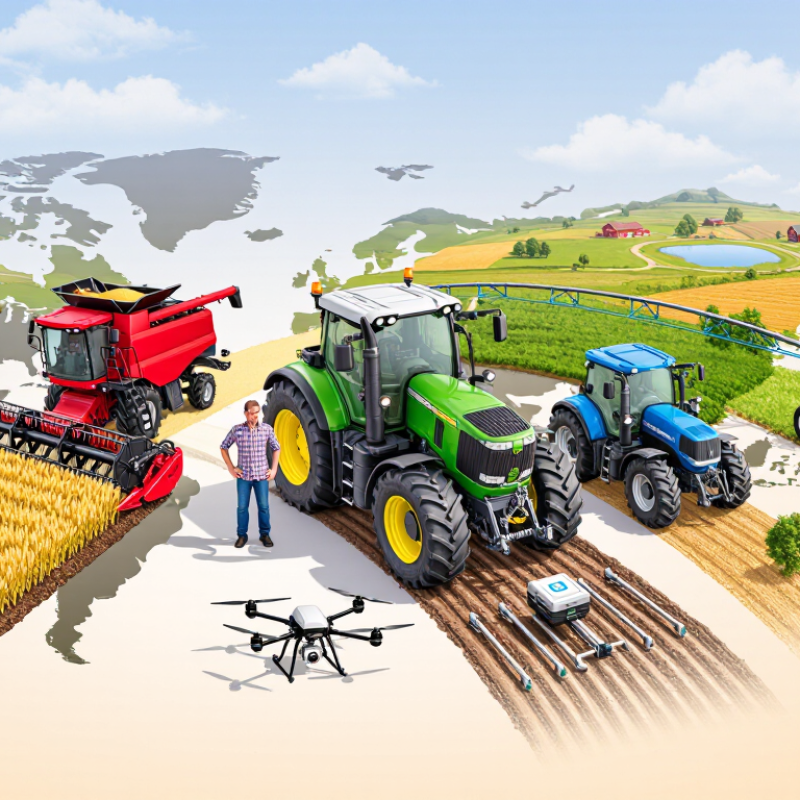
For global buyers, farm equipment financing is more than borrowing money for a tractor or harvester. It connects the equipment price with shipping, insurance, taxes, currency exchange, and delivery timing. A practical financing plan should show the full landed cost. Not just the monthly payment.
Buyers may choose an equipment loan, lease, supplier credit, or a structured payment plan. Each option changes ownership, cash flow, and risk. Check the annual interest rate and every processing fee. Ask which currency controls repayment. A stronger currency can make affordable machinery suddenly expensive. Confirm the deposit, repayment schedule, grace period, and early-payment conditions. Small details matter.
Documentation also affects approval. Lenders may request financial statements, purchase invoices, import permits, business records, and proof of insurance. Equipment specifications should match the invoice and shipping documents. Serial numbers, delivery terms, and warranty responsibilities deserve careful review. Local tax and finance rules can differ sharply between countries, so independent professional advice is sensible. A low monthly payment may hide a high total cost. That is easy to miss. Buyers should also test whether seasonal income can support repayments after a poor harvest. Plans often look perfect on paper. Real farms are less predictable. Compare written offers, keep a cash reserve, and question unclear clauses before signing.
| Financing option | How it works | Typical term | Common upfront payment | Ownership and collateral | Best suited for | Key cross-border considerations |
|---|---|---|---|---|---|---|
| Equipment loan | A lender provides funds to purchase the machinery, and the buyer repays principal plus interest in scheduled installments. | 3–7 years | Usually 10%–30% | The buyer normally owns the equipment; the lender may take a security interest or lien. | Established farms and agribusinesses with verifiable cash flow. | Currency mismatch, import duties, insurance, local registration, and enforceability of collateral must be reviewed. |
| Finance lease | A finance provider purchases the equipment and leases it to the buyer for fixed periodic payments, often with a purchase option at the end. | 2–6 years | Often 10%–25% | The lessor generally retains legal title until the lease obligations or purchase option are completed. | Buyers seeking predictable payments and limited initial capital expenditure. | Confirm who handles transport, insurance, maintenance, customs clearance, and end-of-lease export requirements. |
| Operating lease | The buyer pays for the right to use equipment for a defined period without necessarily acquiring ownership. | 1–5 years | Often 0%–15% | The lessor usually owns the asset and may assume residual-value risk. | Seasonal operations or buyers that regularly upgrade machinery. | Local accounting, tax treatment, withholding taxes, and cross-border asset returns can materially affect total cost. |
| Export-backed financing | A bank or approved financial institution finances an eligible export transaction, sometimes supported by an official export-credit guarantee or insurance arrangement. | 3–10 years | Commonly 15% or more, depending on the structure and applicable rules | Ownership depends on whether the transaction uses a loan, lease, or installment structure. | Large purchases from another country where longer repayment is needed. | Eligibility may depend on origin-content rules, approved equipment, buyer country, environmental standards, and political-risk requirements. |
| Supplier or dealer credit | The seller allows the buyer to defer payment or pays part of the financing cost through an arranged installment plan. | 6 months–5 years | Often 20%–40% | The contract may reserve title for the seller until final payment. | Smaller purchases or buyers with an established relationship with the seller. | Review payment currency, late-payment terms, delivery risk, warranties, dispute resolution, and whether financing is available in the buyer’s country. |
| Working-capital facility | A revolving credit line or short-term loan funds the purchase, import costs, installation, or seasonal cash-flow gap. | Up to 12 months, sometimes renewable | Varies; lender may require a cash contribution or other collateral | The buyer owns the equipment; receivables, inventory, deposits, or other assets may secure the facility. | Farms with seasonal income and short procurement or import cycles. | Short maturity may not match agricultural cash flow; exchange-rate movements and import-payment timing are important. |
| Asset-based financing | Financing is assessed primarily against the value and condition of the equipment and other pledged assets. | 2–5 years | Often 20%–40% | The financed asset and sometimes additional equipment or property serve as collateral. | Businesses with valuable machinery but limited financial-history documentation. | Independent valuation, inspection, serial-number verification, insurance, and local repossession rules may be required. |
| Sharia-compliant asset finance | A financier purchases the equipment and resells or leases it under an agreed profit or rental structure rather than charging conventional interest. | 2–7 years | Commonly 10%–30% | Legal title and risk responsibilities depend on the selected contract structure. | Buyers requiring financing consistent with Islamic finance principles. | Confirm Sharia review, tax treatment, ownership transfer, insurance or takaful, late-payment provisions, and cross-border documentation. |