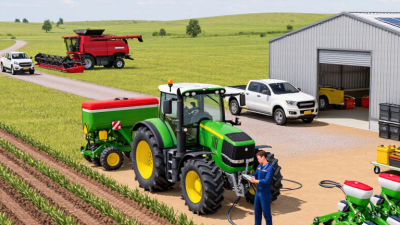
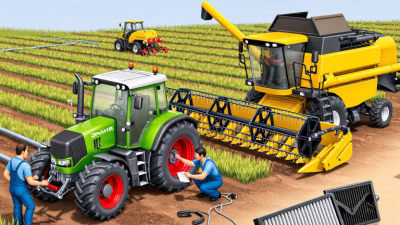
Finding dependable agricultural equipment repair begins with more than a quick online search. A failed tractor can stop planting, delay harvest, and leave soil exposed to changing weather. The American Society of Agricultural and Biological Engineers (ASABE) emphasizes safe maintenance practices, correct machine settings, and documented service procedures. These details matter when a technician checks a hydraulic leak beside a muddy field.
Industry data also shows why repair quality deserves careful attention. The USDA National Agricultural Statistics Service’s 2022 Census of Agriculture records extensive investment in farm machinery and equipment across the United States. That investment makes preventive maintenance financially important. The Association of Equipment Manufacturers (AEM) regularly reports agricultural equipment sales and market conditions, reflecting the complexity and value of today’s machines. Modern combines may include electronic controls, telematics, precision guidance, and specialized sensors. A general mechanic may not understand every system.
Reliable agricultural equipment repair providers should demonstrate relevant brand experience, technician training, diagnostic capability, and access to genuine or approved replacement parts. Ask for written estimates, warranty terms, response times, and examples of similar repairs. A strong provider will explain whether a worn belt, contaminated fluid, or software fault caused the failure. They should also record inspection findings clearly.
Still, no directory is perfect. Online reviews can be outdated, and a polished workshop may lack field experience. I have learned that speed alone is not reliability. A technician who asks about operating conditions may prevent a repeat failure. Check credentials carefully. Then compare practical evidence, not promises. This approach follows the evidence-based expectations described in ASABE guidance, USDA agricultural statistics, and AEM industry reporting.
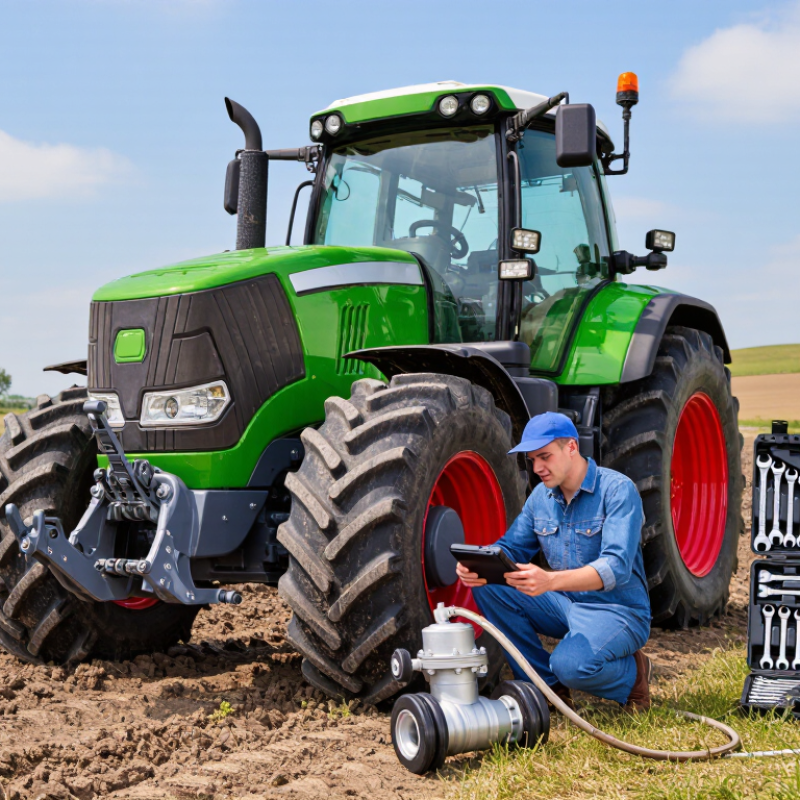
How to Find Reliable Agricultural Equipment Repair Services?
Define the Agricultural Equipment Repair Services You Need
Start by describing the exact problem, not just the machine type. A tractor with slow lifting may need hydraulic testing, fluid inspection, or pump repair. A harvester that stalls could require fuel, electrical, or engine diagnostics. Clear symptoms help technicians prepare suitable tools and replacement parts.
Consider the equipment’s age, operating hours, recent repairs, and working conditions. Ask for preventive maintenance, seasonal inspections, or emergency field service when necessary. A qualified repair provider should explain the fault, show test results, and provide a written estimate. Look for trained technicians, documented experience, fair warranty terms, and service records. I once underestimated a small hydraulic leak. It later damaged nearby components. That mistake changed how I schedule inspections.
Tips: Make a short fault list before calling. Photograph warning lights, leaks, damaged belts, and loose connections. Ask whether the technician can repair electrical systems, hydraulics, transmissions, and attached implements. Confirm response times, travel charges, diagnostic fees, and parts availability. Do not accept vague promises. Reliable professionals explain risks in practical language. Keep every invoice and inspection report. These records reveal repeated failures and support better maintenance decisions. When comparing providers, check references from farms using similar equipment and workloads. A polished website is useful, but consistent field results matter more.
| Service Need | Typical Equipment | Common Warning Signs | Recommended Repair Scope | What to Confirm Before Hiring |
|---|---|---|---|---|
| Preventive maintenance | Tractors, combines, loaders, sprayers | Reduced performance, unusual noise, fluid leaks, overdue service intervals | Fluid and filter replacement, lubrication, belt inspection, fastener checks, safety inspection | Maintenance checklist, service records, correct fluid specifications, estimated labor time |
| Engine and fuel-system repair | Diesel tractors, harvesters, irrigation engines | Hard starting, smoke, overheating, loss of power, irregular idling | Diagnostic testing, cooling-system service, injector or fuel-system inspection, compression testing | Diagnostic equipment, technician training, parts availability, written test results |
| Hydraulic-system repair | Front loaders, hydraulic tractors, balers, excavators | Slow movement, weak lifting, overheating oil, leaking hoses or cylinders | Pressure and flow testing, hose replacement, seal replacement, valve and pump inspection | Pressure-test procedure, cleanliness controls, hose specifications, contamination prevention plan |
| Electrical and diagnostic service | Tractors, planters, combines, guidance and monitoring systems | Intermittent faults, warning lights, battery drain, sensor errors, failed displays | Battery and charging tests, wiring inspection, fault-code analysis, sensor verification | Electrical diagnostic tools, secure data handling, documented fault codes, repair validation test |
| Transmission and drivetrain repair | Tractors, self-propelled harvesters, utility vehicles | Gear slipping, difficult shifting, vibration, abnormal drivetrain noise | Oil inspection, clutch or transmission testing, axle inspection, alignment and adjustment | Clear teardown policy, replacement-part options, warranty terms, final road or field test |
| Implements and attachment repair | Plows, seeders, planters, mowers, balers, spreaders | Uneven seeding, poor cutting, excessive vibration, missed rows, material blockages | Calibration, wear-part replacement, frame inspection, bearing service, alignment checks | Ability to calibrate the implement, measurement method, replacement-part quality, performance test |
| Emergency field service | Harvesting, planting, spraying and critical-season equipment | Sudden breakdown, immobilized machine, active-season production delay | On-site diagnosis, temporary safe repair, mobile parts support, recovery or transport | Service area, after-hours availability, travel charges, estimated arrival process, safety rules |
| Seasonal inspection and preparation | Harvesters, planters, sprayers, irrigation and storage equipment | Long storage period, corrosion, worn components, calibration drift | Pre-season inspection, calibration, corrosion control, battery care, storage preparation | Inspection report, prioritized repair list, completion deadline, test and calibration records |