What Are the Top Farm Equipment Types for Agriculture?

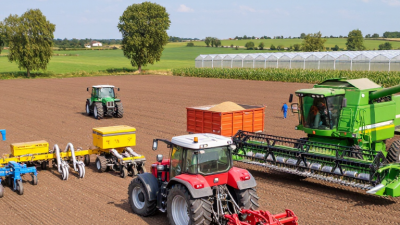
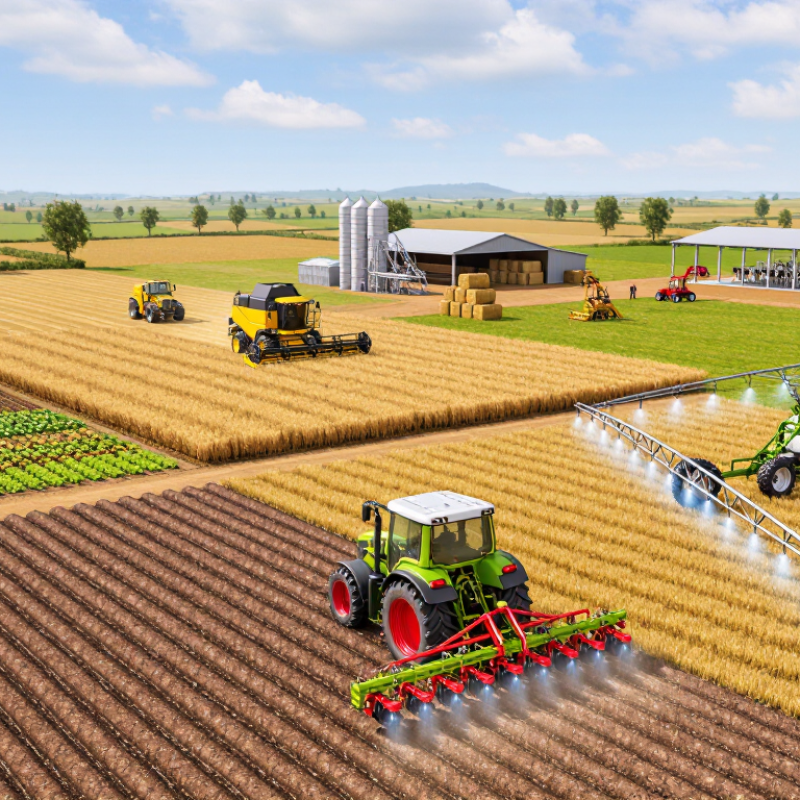
Farm equipment shapes how quickly a field is prepared, planted, protected, and harvested. Yet the right machine depends on acreage, crops, terrain, labor, and budget. The USDA National Agricultural Statistics Service reported about 1.9 million U.S. farms managing 880 million acres in its 2022 Census of Agriculture. That scale helps explain why one equipment list cannot fit every operation. A compact tractor may suit a small vegetable farm, while a broadacre grain operation may rely on high-horsepower tractors, planters, sprayers, and combines. The ranking is not universal. It rarely is.

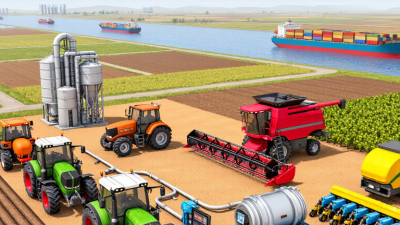
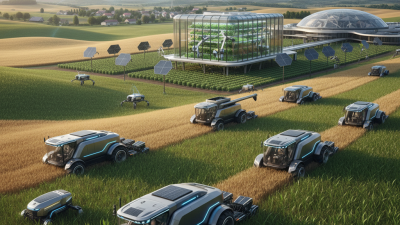
This guide examines the main farm equipment types for agriculture, including tractors, tillage tools, seeders, irrigation systems, crop protection equipment, harvesters, and material-handling machines. The FAO report Sustainable Agricultural Mechanization: A Framework for Africa (2018) treats mechanization as a system, extending beyond field machines to tools and post-harvest equipment. That wider view matters: a reliable grain cart or milking system can affect daily work as much as a powerful tractor. Small details count. We will consider each machine’s purpose, common applications, and practical selection factors, including maintenance and operating costs. Those costs are easy to underestimate. Equipment can improve efficiency, but it cannot repair poor planning or unsuitable field conditions. This overview aims to make farm equipment agriculture decisions clearer, while recognizing that real farms often need a less tidy answer.
What Are the Top Farm Equipment Types for Agriculture?

Primary Tillage and Soil-Preparation Equipment

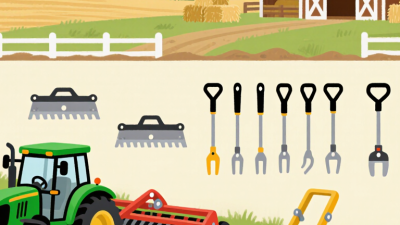
Primary tillage breaks compacted ground and incorporates crop residue before planting. A moldboard plow turns soil over, burying weeds and residue, but it can leave bare ground exposed to wind and rain. Chisel plows loosen soil while retaining more surface residue. The right choice depends on soil texture, slope, moisture, and the crop planned for the field. It matters.

Disc harrows cut and mix surface soil, helping break large clods after deeper tillage. Subsoilers can address a compacted layer below the usual working depth, but only when compaction is present. Running one through wet soil may smear the soil rather than improve it. Check the soil. A spade and a quick inspection of a test furrow can reveal whether the ground crumbles or sticks in heavy slabs.

Secondary preparation uses cultivators, harrows, or similar tools to refine the seedbed. The aim is a reasonably level surface with enough firm soil around the seed, not powder-fine ground. Too many passes can dry the seedbed and damage its structure. Even a careful equipment choice can be wrong when field conditions change across a few rows, so operators should check soil moisture and depth as they work.
Seeders and Planters for Crop Establishment

Seeders and planters establish crops by placing seed at a controlled depth and spacing. Seeders suit many small grains and cover larger areas efficiently. Planters handle crops such as corn, placing individual seeds in rows with more precise spacing. The right choice depends on crop, field size, soil, and the planting system. A seed placed too deep may emerge slowly; one placed too shallow can dry out. Small errors matter.

Tips: Check seed depth in several rows before covering the field. Use a short test run, then inspect spacing and seed-to-soil contact. Clear residue from openers, and adjust settings when soil becomes wetter or harder.

Good setup starts with the seedbed. Loose, even soil helps openers maintain consistent depth, while clods or heavy residue can disrupt placement. Match the machine’s row spacing and metering system to the crop and seed size. Check calibration with the seed you will actually plant; settings can vary between lots. Keep a record of adjustments, but treat it as a starting point, not a guarantee. Weather and field conditions change. Even careful calibration cannot fix a poorly prepared seedbed, and operators sometimes discover this too late. After planting, dig up a few seeds across the field to check depth and spacing before making further adjustments.

Seeders and Planters for Crop Establishment

Representative row spacing used with common planting systems, in inches. Actual spacing varies by crop, region, and equipment setup.

Irrigation and Spraying Equipment for Crop Care

Irrigation equipment protects crops from uneven rainfall, but the right setup depends on soil, field shape, and water access. Drip lines deliver water close to plant roots and can reduce wet foliage. Sprinklers cover wider areas, though wind may carry water beyond the beds. Check soil moisture before changing the schedule. A dry surface does not always mean dry roots.

Spraying equipment helps distribute crop-care products evenly across leaves and stems. Choose nozzle types and pressure settings to suit the target and the product instructions. Before spraying, inspect hoses, filters, and connections for leaks or blockages. Keep the boom at a consistent height. Small details matter. A worn nozzle can create uneven coverage, even when the tank mixture is prepared correctly.

Calibration is worth doing with clean water before each application. Measure output from several nozzles and compare the results; noticeable differences may signal wear or clogging. Spray in suitable weather, since strong wind can carry droplets away from the crop. That takes patience. In practice, schedules sometimes slip, and perfect coverage is not always possible. Keeping simple notes on settings, weather, and field conditions can reveal what needs adjustment next time.

What Are the Top Farm Equipment Types for Agriculture? - Irrigation and Spraying Equipment for Crop Care
Equipment Type Category How It Works Common Applications Key Crop-Care Considerations
Drip Irrigation System Irrigation Delivers water through pipes and emitters close to the plant root zone. Vegetable fields, orchards, vineyards, and other crops planted in rows. Can reduce water applied to bare soil; filters and regular emitter checks help prevent clogging.
Center-Pivot Irrigation System Irrigation A rotating sprinkler line moves around a central point to irrigate a circular area. Large, relatively level fields growing crops such as cereals, forage, and some vegetables. Field corners may require separate coverage; wind and evaporation can affect water distribution.
Lateral-Move Irrigation System Irrigation A sprinkler line travels across a field, usually in a straight path, to water successive strips. Large rectangular fields with access to a suitable water supply and field layout. Needs a reliable travel path and water connection; uniformity depends on setup and operating conditions.
Portable or Solid-Set Sprinkler System Irrigation Sprinkler heads distribute water over crops from fixed or repositionable pipe networks. Pastures, forage crops, nurseries, and fields where overhead watering is appropriate. Useful across varied field shapes; avoid unnecessary leaf wetness where crop disease risk is a concern.
Field Boom Sprayer Spraying A tractor-mounted, self-propelled, or trailed boom carries nozzles over crop rows or field areas. Applying crop-protection products or foliar treatments to broad-acre crops and row crops. Nozzle selection, boom height, travel speed, and weather conditions influence coverage and drift.
Orchard Air-Blast Sprayer Spraying Uses a fan to carry spray droplets into the canopy of trees or other tall crops. Orchards, vineyards, and other crops with dense or vertically structured canopies. Airflow and nozzle placement should suit canopy size and density to limit off-target spray.
Backpack or Handheld Sprayer Spraying A manually carried or operated tank and nozzle deliver spray to selected plants or small areas. Small plots, greenhouses, spot treatment, and areas difficult to reach with larger equipment. Suitable for targeted work; operators should use appropriate protective equipment and follow product directions.
Fertigation Injector Irrigation and Nutrient Application Introduces dissolved fertilizer into irrigation water for delivery through the irrigation system. Drip or other pressurized irrigation systems used for crops with scheduled nutrient programs. Use compatible, fully soluble fertilizers and prevent backflow into the water source.

Harvesting Machines for Gathering Mature Crops

Harvesting machines help farmers gather mature crops quickly while limiting field losses. A combine harvester cuts, threshes, and cleans grain in one pass. Its header should match the crop and field conditions. For wheat, a cutting platform feeds stalks into the machine; for corn, a row-based head removes ears from standing plants. Timing matters.

Crop moisture, lodging, and uneven ground all affect performance. Operators can adjust travel speed and threshing settings to reduce broken grain or uncollected heads. The right settings vary by crop, weather, and machine, so field checks are essential. A short test pass can reveal grain left behind or excessive material in the sample. Small adjustments help.

Other harvesting machines serve specific crops. Forage harvesters chop green plants for storage, while potato harvesters lift tubers and separate soil. Each type needs careful setup to avoid bruising or leaving produce underground. Dust can hide losses, and wet soil may clog working parts. A common mistake is trusting yesterday’s settings after conditions change. Check the crop and machine again, even when the field looks uniform.

Transport and Handling Equipment for Farm Operations

Farm transport and handling equipment keeps crops, feed, and supplies moving between fields, storage, and work areas. Utility trailers carry tools and bagged inputs, while grain wagons move harvested crops from combines to storage or road vehicles. Front-end loaders and pallet forks help lift heavy bins, but loads should stay low during travel. Match equipment capacity to the tractor or towing vehicle. Plan for mud. Wet ground can turn a short trip into a stuck vehicle.

Tips: Check tires, hitch pins, brakes, and lights before moving a loaded trailer. Keep loads balanced and secure, with no loose tools near the edges. Slow down. Sharp turns can shift grain or tip a tall load, even at modest speeds.

Conveyors and augers transfer grain with less repeated lifting, while carts can bring supplies closer to workers. Choose equipment that fits the width of gates and the layout of storage areas; a larger machine is not always more efficient. It is easy to focus on capacity and overlook turning space. Even careful planning has limits, so reassess routes when weather or field conditions change.