Why Is Farm Equipment Important in Agriculture?
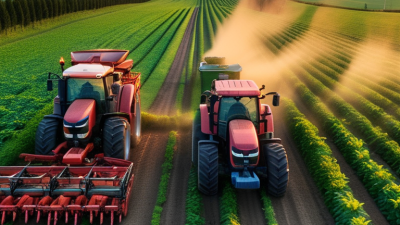
A field changes quickly when rain is coming. A tractor, planter, or combine can help farmers prepare soil, place seed, and harvest crops within narrow weather windows. This is why farm equipment agriculture is more than a story about powerful machines. It is about carrying out essential work with greater consistency, timing, and control. The right equipment can also reduce strenuous manual labor and help operators cover large fields more efficiently.
John Deere, the blacksmith and equipment maker, is often credited with saying, “I will never put my name on a product that does not have in it the best that is in me.” The quote speaks to a lasting expectation: farm machinery must perform reliably when the work cannot easily wait. Consider a planter moving across a field after spring rain. Even seed spacing and steady operation can matter for crop establishment. A breakdown, though, can cost valuable time.
Machines are not a cure-all. They need skilled operators, routine maintenance, and careful selection for the farm’s crops, soil, and scale. A large tractor may be useful on one operation and wasteful on another. That part deserves thought. Equipment choices also affect fuel use, soil compaction, and repair costs, so productivity should not be the only measure. Understanding why farm equipment matters means looking at both what machines make possible and what responsible ownership requires.
What Farm Equipment Includes
What Farm Equipment Includes
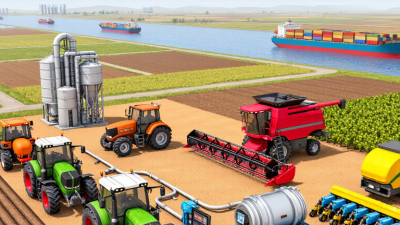
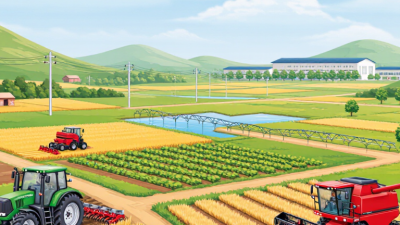
Farm equipment is more than the machines seen crossing a field. It includes tools and systems used to prepare soil, plant crops, manage livestock, and handle harvests. The exact mix depends on the farm’s size, crops, terrain, and water supply.
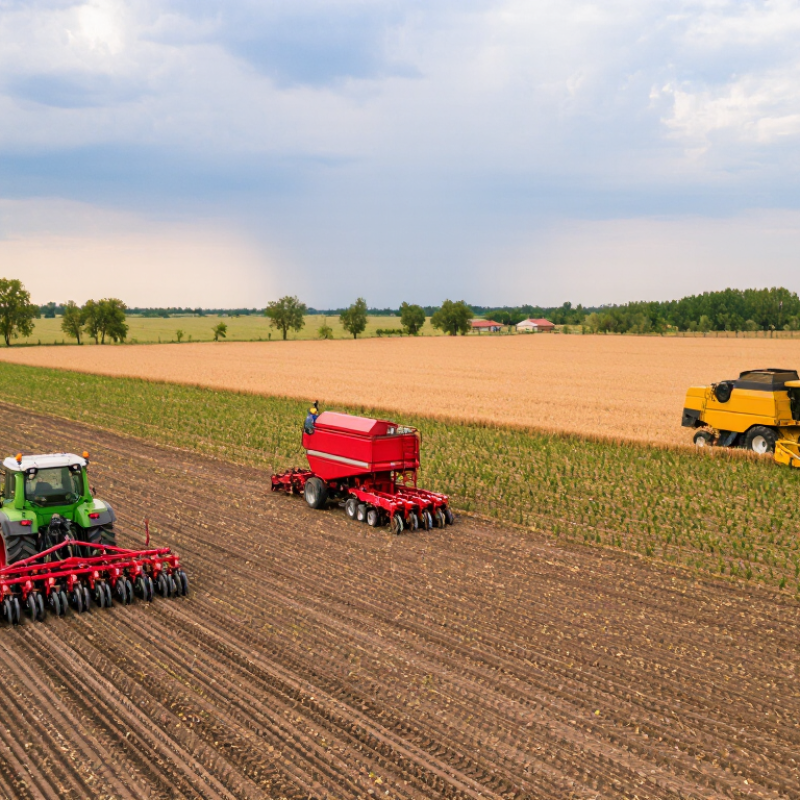
A tractor may pull a plow, cultivator, trailer, or seed drill. Smaller hand tools still matter. A hoe, shovel, or pruning tool can be useful around garden beds and tight rows where larger machines cannot turn. Planters place seeds at set depths, while sprayers and spreaders apply materials across a field. Irrigation equipment ranges from hoses and pumps to pipes and sprinklers. Each type needs suitable setup and regular checks.
Harvest equipment varies with the crop. Combines gather grain, while balers compress cut hay into manageable bundles. On livestock farms, equipment may include feeders, water troughs, milking systems, and manure-handling tools. After harvest, dryers, bins, and conveyors help move or store produce. Maintenance tools belong in the picture too: tire gauges, grease guns, spare filters, and basic repair supplies can prevent small issues from stopping work. The boundaries are not always neat. A trailer might serve fieldwork one day and hauling supplies the next, so choosing equipment can involve trade-offs. Bigger is not always better. A machine that fits the field and the operator’s experience may be more useful than one with extra capacity.
How Equipment Supports Essential Farming Operations
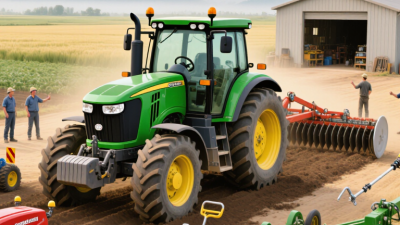
Farm equipment turns narrow weather windows into workable field hours. A planter places seed at consistent depth, while a tractor pulls implements across uneven ground. At harvest, combines cut, thresh, and separate grain before rain or frost can damage it. Timing matters. Without reliable machinery, planting can run late, and one delay may affect the entire season.
The Food and Agriculture Organization’s 2017 report, The Future of Food and Agriculture, projected global food demand could rise 50 percent by 2050, compared with 2013. That projection makes efficient field operations important, but machines alone cannot meet demand. The USDA Economic Research Service estimates U.S. agricultural total factor productivity grew about 1.4 percent annually from 1948 to 2021. This measure reflects many influences, including research and improved inputs; it does not credit machinery alone.
On a wet morning, a heavy tractor may compact soil instead of helping. I would not treat every extra pass as progress.
Properly matched equipment can reduce repetitive labor, improve planting and harvest timing, and move crops from field to storage with less delay. The fit is not automatic: field size, soil conditions, maintenance, and operator skill all shape whether a machine helps.
How Mechanization Improves Productivity and Timeliness
Why Is Farm Equipment Important in Agriculture?
How Mechanization Improves Productivity and Timeliness
Farm equipment matters most when fieldwork must fit narrow weather windows. A tractor or planter can cover ground faster than hand or animal power. This helps crews sow and harvest before conditions shift. A late pass after rain may leave wet ruts or delay work in the next field. Suitable equipment helps operators act when soil and weather allow.
The USDA Economic Research Service estimates that U.S. agricultural total factor productivity grew about 1.42% annually from 1948 to 2021. That measure reflects many changes, not machinery alone. Equipment’s practical contribution includes timely planting, consistent field passes, and fewer labor bottlenecks during peak weeks. Bigger machines are not automatically better. Compaction, fuel costs, maintenance, and operator skill can reduce the gains.
Tips: Match implement width to tractor power and field layout. Check tires, blades, and safety guards before peak season. Keep a backup schedule for wet days; it may still need adjusting.
Why Is Farm Equipment Important in Agriculture?
Mechanization helps farms cover more land in less time, supporting timely planting, spraying, and harvesting.
How to read this: These are planning estimates, not measured averages. Effective field capacity is calculated as implement width (m) × operating speed (km/h) × field efficiency ÷ 10. Assumptions: rotary tiller 2 m at 4 km/h and 70% efficiency; seed drill 3 m at 7 km/h and 75%; combine harvester 6 m at 5 km/h and 70%; boom sprayer 18 m at 8 km/h and 70%. Actual capacity varies with field shape, crop, soil, and operating conditions.
How Farm Equipment Affects Labor, Costs, and Crop Quality
Farm equipment shapes how quickly fieldwork gets done and how much physical labor it demands. A well-matched tractor or seeder can cover a field more evenly than hand work, especially during narrow planting windows. During planting, a consistent seed depth can support more uniform emergence. That matters. Mechanization can reduce repetitive lifting and long hours, but only when operators receive practical training. Yet a machine that is too large for a small field may waste time turning and maneuvering.
Equipment can also affect costs beyond its purchase price. Fuel, repairs, storage, and seasonal maintenance all add up. On uneven ground, an oversized machine may compact wet soil, creating costly problems later. But it varies. For smaller farms, shared equipment or carefully timed rentals may be more practical than ownership. One trade-off is easy to miss: a breakdown during harvest can cost more than routine maintenance.
Crop quality depends partly on how carefully equipment is adjusted and operated. A calibrated planter helps place seeds at a more consistent depth, while gentle handling can reduce bruising in delicate produce. Harvesting at the right maturity still matters; machinery cannot fix poor timing. Poorly adjusted harvesting tools may leave crops behind or damage what they collect. It is tempting to equate newer machinery with better farming, but that assumption deserves scrutiny. Farmers need to match equipment to their crops, field conditions, and available skills.
How Equipment Use Shapes Farm Safety and Sustainability
Why Is Farm Equipment Important in Agriculture?
How Equipment Use Shapes Farm Safety and Sustainability
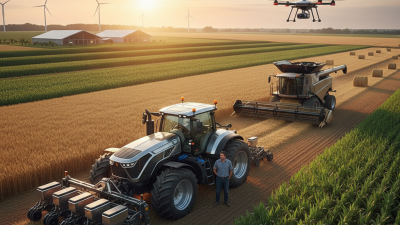
Farm equipment matters not only because it speeds up fieldwork, but because it affects safety, soil, fuel use, and crop quality. A tractor with a properly adjusted implement can finish a pass evenly, reducing missed rows and wasted inputs. But machinery also brings risks: blind spots, moving parts, unstable loads, and fatigue during long workdays. A clean cab, working lights, and guards in place can prevent ordinary tasks from becoming dangerous.
Tips: Match equipment to the field and task. Check tires, brakes, guards, and hitch connections before work. Keep bystanders clear, use seat belts where fitted, and stop the engine before clearing blockages. Record faults early; a brief note can prevent a rushed repair later.
Equipment choices also shape sustainability. Heavy machines used on wet ground can compact soil, limiting water movement and root growth. Careful timing, suitable tire pressure, and fewer unnecessary passes help protect soil structure and reduce fuel consumption. Regular maintenance can also cut leaks and keep engines operating as intended. Still, these steps take time, and busy farms sometimes postpone them. That trade-off is understandable, but it deserves a second look: small maintenance delays can become larger safety and repair problems. The best equipment is not always the largest; it is the machine workers can operate safely and maintain consistently.