Why Is Agricultural Equipment Maintenance So Important?

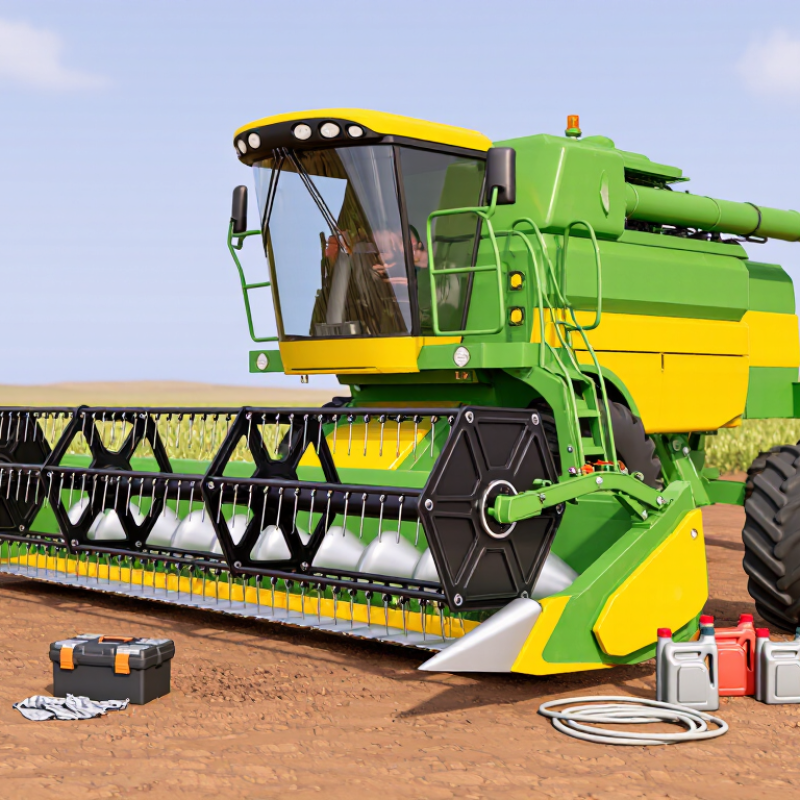
Agricultural equipment maintenance is not merely a workshop routine. It is a direct investment in field performance, operator safety, and farm profitability. A neglected combine may enter harvest with a worn belt, dirty radiator, or leaking hydraulic hose. One small defect can become hours of downtime during the busiest day of the season.

Agricultural engineer Dr. John Fulton has emphasized the value of planned servicing, stating, “Maintenance should be planned before failure, not after it.” This principle explains why experienced farmers inspect machines before problems become expensive. They check tire pressure, engine oil, filters, electrical connections, and moving joints. They also record service dates and unusual sounds. Simple notes can reveal a pattern that memory misses.

Good agricultural equipment maintenance protects more than machinery. It preserves fuel efficiency, reduces uneven planting, and supports accurate spraying. A well-adjusted planter places seeds at a consistent depth. A clean air filter helps an engine breathe properly. A properly lubricated bearing runs cooler and lasts longer.

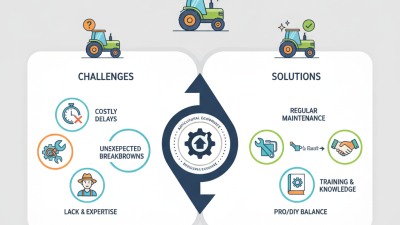
Still, maintenance plans are not perfect. Dust, mud, rushed schedules, and limited budgets create real obstacles. Sometimes a repair is delayed because the machine is needed immediately. That choice may feel practical, but it can increase the final cost.

The following discussion explains why maintenance deserves regular attention. It connects daily inspections with reliability, safety, productivity, and long-term equipment value. Small checks matter. They often prevent large disruptions.

Why Is Agricultural Equipment Maintenance So Important?

Define Maintenance Scope: Components, Intervals, and Failure Modes

Agricultural equipment maintenance begins with a defined scope, not a vague promise to “check the machine.” Inspect powertrain oil, filters, belts, chains, bearings, hydraulics, tires, electrical connections, guards, and control systems. Each component needs a failure mode. A loose belt may cause heat, slippage, and sudden stoppage. Contaminated hydraulic fluid can damage pumps long before operators notice weak movement. Small leaks matter.

Intervals should combine engine hours, calendar time, load, dust, moisture, and seasonal demand. ASABE Standard D497.7 separates repair costs from fuel and ownership costs, supporting hour-based maintenance planning. However, hour meters alone can mislead. A low-use machine may still suffer from aged seals, condensation, or rodent-damaged wiring. The 2022 Census of Agriculture recorded about 1.9 million U.S. farms, showing why one universal schedule rarely fits every operation. Record everything. Date, hours, symptoms, and replaced parts create useful evidence.

Failure-mode reviews should rank consequences, not just frequency. A worn light is inconvenient; a failed brake or steering connection can be catastrophic. The U.S. Bureau of Labor Statistics reported 20.3 fatalities per 100,000 full-time-equivalent workers in agriculture, forestry, fishing, and hunting during 2022. Safe isolation, guarding, and pressure release must therefore sit inside the maintenance scope. A common mistake is inspecting visible parts while ignoring stored hydraulic energy. That oversight deserves more criticism than it usually receives.

Why Is Agricultural Equipment Maintenance So Important? — Define Maintenance Scope: Components, Intervals, and Failure Modes

Equipment Area Critical Components Recommended Inspection Interval Essential Maintenance Activities Common Failure Modes Early Warning Indicators Operational Consequences
Engine and Fuel System Engine oil, oil filter, air filter, fuel filter, injectors, cooling system Daily checks; service every 250–500 operating hours, according to the equipment manual Check fluid levels, inspect for leaks, clean the air intake, replace filters, test coolant condition, and verify fuel quality Oil starvation, clogged filters, injector fouling, overheating, contaminated fuel Hard starting, black or white exhaust smoke, reduced power, rising coolant temperature, increased fuel consumption Loss of power, severe engine damage, unplanned downtime, higher fuel costs
Hydraulic System Hydraulic pump, hoses, cylinders, valves, reservoir, filters, fittings Daily visual inspection; fluid and filter checks every 250–500 hours Inspect hoses and couplings, check fluid level and cleanliness, replace filters, tighten fittings, and test operating pressure Hose rupture, fluid contamination, seal failure, pump wear, pressure loss Slow implement movement, visible leaks, jerky operation, unusual pump noise, excessive heat Loss of implement control, safety hazards, reduced productivity, costly component replacement
Transmission and Driveline Transmission oil, clutch, gearbox, differential, drive shafts, universal joints Daily leak check; lubrication at scheduled service points; fluid service commonly every 500–1,000 hours Check oil level, inspect driveline guards, lubricate joints, examine clutch engagement, and monitor gear-shift performance Gear wear, clutch slippage, lubricant breakdown, misalignment, bearing failure Grinding or whining noises, difficult shifting, vibration, delayed movement, burning odor Loss of traction, immobilized equipment, transmission overhaul, missed field operations
Tires, Tracks, and Axles Tires or tracks, wheels, hubs, bearings, axle seals, lug nuts Before each operation; tire pressure and fastener checks weekly or after heavy use Set correct tire pressure, inspect tread or track tension, check wheel torque, lubricate bearings, and remove embedded debris Puncture, uneven wear, underinflation, track derailment, bearing seizure Uneven field marks, excessive vibration, pulling to one side, heat around hubs, reduced traction Soil compaction, poor ride stability, reduced fuel efficiency, rollover or transport risk
Electrical and Control System Battery, alternator, starter, wiring, fuses, sensors, control modules Daily dashboard check; battery and wiring inspection monthly or before seasonal use Clean terminals, test battery voltage, inspect wiring for damage, verify warning lights, and protect connectors from moisture Battery discharge, corroded terminals, broken wiring, sensor failure, charging-system faults Slow cranking, intermittent alarms, dim lights, inaccurate readings, repeated fuse failures Starting failure, incorrect machine adjustments, lost diagnostic information, electrical downtime
Braking and Steering System Brake fluid or air lines, brake discs or drums, steering joints, tie rods, steering cylinders Before each operation; detailed inspection at least every 250 operating hours Test stopping response, inspect lines and joints, check fluid or air pressure, measure wear, and tighten steering hardware Brake fade, fluid leakage, worn pads, loose steering joints, air-system leakage Longer stopping distance, steering play, pulling during braking, squealing, low system pressure Reduced directional control, collision risk, operator injury, regulatory non-compliance
PTO and Implement Drive PTO shaft, guards, clutches, shear bolts, belts, chains, sprockets Before attachment and daily during operation; lubrication according to working conditions Inspect guards, lubricate universal joints, check shaft alignment, adjust belt or chain tension, and replace worn safety devices Entanglement-guard damage, shaft imbalance, belt breakage, chain elongation, clutch slip Rattling guards, vibration, irregular implement speed, overheating, frequent shear-bolt failure Serious personnel hazard, poor crop processing, implement damage, sudden stoppage
Cutting, Tillage, and Harvesting Parts Blades, discs, tines, knives, concaves, sieves, augers, gathering chains Daily during the season; inspect after impacts and at the end of each workday Measure wear, replace damaged edges, set clearances, remove crop residue, lubricate bearings, and maintain alignment Blunt or broken parts, plugging, misalignment, bearing seizure, excessive clearance Uneven cutting, crop buildup, increased vibration, higher power demand, grain or soil losses Lower work quality, greater crop loss, increased fuel consumption, accelerated wear
Belts, Chains, and Bearings Drive belts, roller chains, idlers, pulleys, tensioners, sealed and greasable bearings Daily visual check; lubrication and tension inspection every 50–100 hours or as required Check alignment and tension, lubricate approved points, inspect seals, remove contamination, and replace stretched or cracked parts Belt cracking, chain elongation, bearing overheating, pulley misalignment, lubricant loss Whining, squealing, heat, visible cracks, metal dust, irregular rotation Power-transfer loss, component seizure, secondary damage, unexpected stoppage
Lubrication Points and Structural Frame Grease fittings, pivot pins, bushings, welds, brackets, fasteners, protective guards Daily or every 10–50 hours, depending on dust, moisture, and load conditions Apply the correct lubricant, inspect pivot movement, check fastener torque, examine welds and guards, and repair cracks promptly Dry joints, bushing wear, loose fasteners, structural cracks, corrosion Squeaking, excess play, metal-to-metal contact, visible cracks, loose or missing hardware Poor alignment, accelerated wear, structural failure, unsafe operation
Operator Protection and Safety Devices Roll-over protection structure, seat belt, shields, emergency stops, lights, alarms Before every operation; formal safety inspection at least annually Test alarms and emergency stops, inspect guards and seat belts, verify lighting, and keep access steps and platforms clean Missing guards, failed alarms, damaged restraints, defective lighting, blocked emergency stop Warning lights not functioning, loose guards, damaged belt webbing, poor visibility, unresponsive controls Increased risk of entanglement, rollover injury, collision, and non-compliance with safety requirements
Storage and Seasonal Readiness Fuel system, battery, tires, exposed metal, cylinders, electronic connectors At the end of each season and before return to service Clean and dry the machine, protect exposed surfaces, stabilize or manage fuel, charge and store the battery correctly, and inspect all systems before use Corrosion, stale fuel, discharged battery, rodent damage, hydraulic-cylinder pitting Rust, fuel odor or deposits, damaged wiring, low battery voltage, fluid leaks after storage Delayed seasonal start-up, repair costs, reduced service life, avoidable downtime

Maintenance intervals should be adjusted for operating hours, workload, dust, moisture, soil conditions, temperature, and the equipment manufacturer’s service requirements. Always isolate power and follow appropriate safety procedures before inspection or repair.

Quantify Downtime: USDA Cost Data on Fuel, Repairs, and Depreciation

Why Is Agricultural Equipment Maintenance So Important?

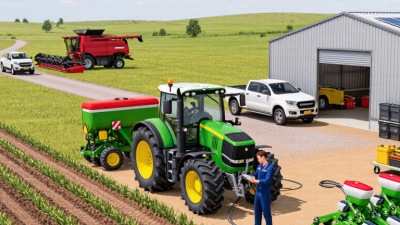
Downtime is not only an inconvenient empty hour. It can multiply costs during planting or harvest. USDA farm expense data tracks major ownership and operating costs, including fuel, repairs, and depreciation. These categories reveal a machine’s real economic burden. Fuel shows daily consumption. Repairs expose reliability problems. Depreciation measures value lost while the equipment ages, even when it sits unused.

Consider a tractor stopped for eight hours after a hydraulic leak. The repair bill may be modest, but the delay can increase labor costs, fuel use, and crop losses. A missed weather window may create a larger financial impact than the damaged part itself. Regular inspections help connect these hidden costs. Record fuel per operating hour, repair invoices, idle time, and annual depreciation. Then compare the totals with productive hours. The result may be uncomfortable. A machine can look affordable while quietly costing too much per acre.

Tips: Check leaks, tire pressure, fluid levels, and belts before each shift. Keep a simple maintenance log with dates, hours, parts, and downtime. Review it monthly. USDA figures provide useful benchmarks, but local soil, workload, and age change the outcome. A spreadsheet can still lie when records are incomplete. I have seen operators underestimate downtime because they count only workshop hours. Waiting time matters too. Small checks are not perfect, but they often prevent expensive surprises.

Prioritize Safety: NIOSH Reports 130+ Tractor-Overturn Deaths Each Year

Agricultural equipment maintenance is a safety task, not merely a productivity task. NIOSH reports more than 130 tractor-overturn deaths each year in the United States. These incidents can happen quickly on slopes, soft ground, or uneven field entrances. A tractor may appear stable until a wheel drops into a rut.

A careful inspection should include tires, brakes, steering, hydraulic lines, and the rollover protective structure. Check tire pressure before work begins. Look for cracked hoses, loose bolts, damaged steps, and leaking fluid. The seat belt must work correctly and stay fastened inside the protective zone. Keep the protective structure in place. Never treat it as optional equipment.

Slow down near ditches and banks. Reduce speed before turning, especially with raised loads. Keep attachments low when traveling. A rushed inspection can feel acceptable. It is not. No maintenance routine catches every hazard, and that deserves honest attention. Weather, soil conditions, and operator fatigue can change the risk within minutes. Written inspection records can reveal repeated faults, although workers may overlook small details under pressure. A second person checking the tractor is sometimes worthwhile. That extra pause may prevent a rollover, severe injury, or a fatal outcome.

Design Preventive Service: ASABE Standards for Lubrication and Inspection

Agricultural equipment maintenance protects uptime, safety, and operating costs. ASABE D497.7, Agricultural Machinery Management Data, models repair expenses against machine age, annual use, and initial value. Its message is practical: maintenance costs usually rise as hours accumulate. Preventive service should therefore follow operating hours, not only calendar dates.

A useful ASABE-based plan starts with a written inspection route. Check engine oil level, lubricant condition, grease-point cleanliness, hydraulic hoses, belts, fasteners, tires, guards, and leaks. Clean fittings before lubrication. Use the lubricant grade specified for the component, then record quantity, date, and operating hours. Oil analysis can identify contamination or abnormal wear before failure. ASABE EP496.3 also supports systematic machinery management and replacement planning.

Details matter. A dry pivot can turn slowly before it becomes visibly damaged. Dust around a seal deserves attention. A loose guard should stop operation immediately. The 2022 USDA Census counted about 1.9 million U.S. farms, showing how widely equipment reliability affects production decisions. Still, published intervals are not perfect. Sandy soil, long shifts, water exposure, and neglected cleaning can shorten them. Technicians should adjust inspection frequency using field evidence, service records, and observed wear. That judgment is not a weakness. It is part of competent maintenance.

Why Is Agricultural Equipment Maintenance So Important?

Preventive service reduces unexpected downtime, supports safe operation, and helps maintain equipment performance. The chart presents common operating-hour planning points for lubrication and inspection activities, using ASABE lubrication guidance as a reference framework. Always follow the specific equipment service manual when intervals differ.

Lower-hour tasks require more frequent attention. Daily inspections should cover guards, leaks, tires or tracks, fluid levels, lubrication points, and visible damage before operation. Reference framework: ASABE S203, Lubrication of Agricultural Equipment. Intervals shown are practical planning points and are not a replacement for the manufacturer’s maintenance schedule.

Measure Payback: Compare Availability, Repair Costs, Fuel Use, and Service Life

Why Is Agricultural Equipment Maintenance So Important?

Measure Payback: Compare Availability, Repair Costs, Fuel Use, and Service Life

Agricultural equipment maintenance should be measured in operating results, not workshop activity. Record available hours, repair invoices, fuel use, and remaining service life for each machine. A simple log can reveal costly patterns. For example, a tractor losing eight hours during planting may delay several fields. That delay can cost more than the repair itself.

Track availability by comparing scheduled hours with usable hours. Then compare monthly repair costs against preventive service expenses. Fuel records add another useful signal. A blocked filter, underinflated tire, or poorly adjusted engine can increase consumption during long fieldwork. Small losses become serious across hundreds of hours. Measure the change after servicing.

Service life also affects payback. Replacing a worn bearing may extend useful operation for several seasons. However, repeated failures can make continued repairs financially weak. Our first estimate was wrong once. We counted parts, but ignored downtime and operator wages. That mistake mattered. Review maintenance records every season, and question figures that look unusually favorable.

Use consistent readings where possible. Note engine hours, fuel volume, fault type, repair time, and operating conditions. Mud, dust, heavy loads, and rushed servicing can distort comparisons. Maintenance decisions are not always perfect. Still, clear evidence helps separate a cheap repair from an expensive delay.