How to Choose the Right Farm Equipment Parts?

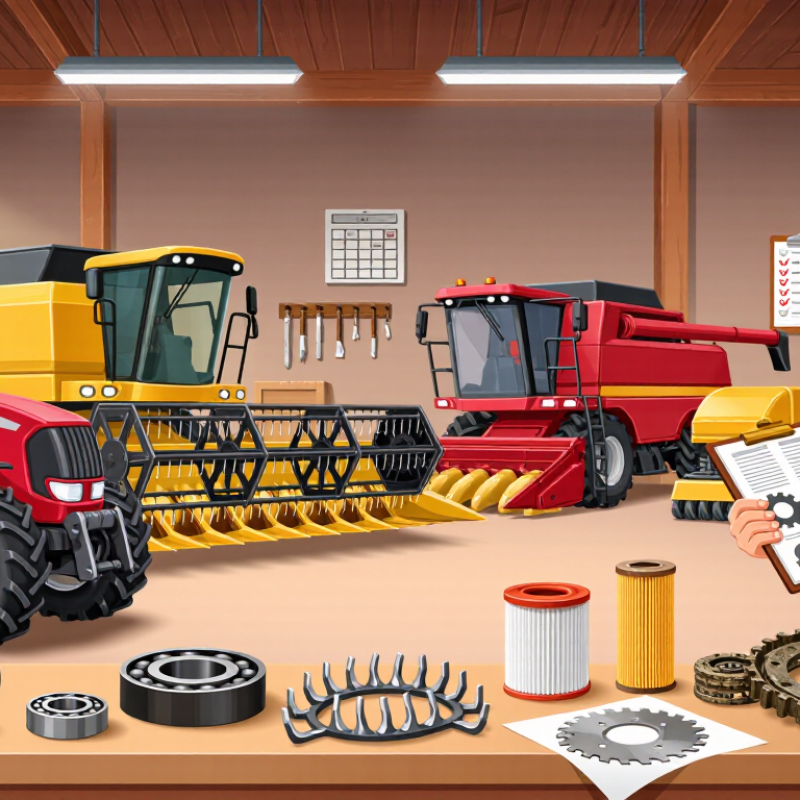
Choosing farm equipment parts is not just a matter of finding a piece that looks right. A worn bearing, cracked belt, or bent tine can slow work and strain nearby components. The right choice depends on the machine’s make, model, year, and job. A part that fits one tractor may not fit its close cousin. Small details matter.

For this guide, fictional agricultural machinery specialist Alex Mercer offers a useful reminder: “Match the part to the machine, the work, and the conditions—not just the price.” Treat that line as an editorial principle, not a sourced quotation. Before ordering, check the model plate, compare part numbers, and inspect dimensions. Keep the old component nearby. Its shape can reveal wear that a catalog photo misses. Still, appearance alone is not proof.

The sections ahead explain how to confirm compatibility, compare original and aftermarket options, assess materials, and judge supplier support. They also cover practical checks for seals, filters, blades, and other common replacements. Ask about warranty terms and return policies before buying. A low-cost part can be a poor bargain if it wears quickly or arrives too late for fieldwork. And sometimes, the manual is unclear. Record what you checked, and verify uncertain details with a qualified dealer or technician.
How to Choose the Right Farm Equipment Parts?

Identify the Equipment Model and Required Part

Start with the equipment’s identification plate, usually fixed to the frame, engine housing, or operator station. Record the model, serial number, and production year exactly as shown. Small details matter. A single letter or digit can distinguish machines with different parts. If the plate is faded, check the owner’s manual or parts documentation, then confirm the number against the machine itself.

Next, describe the part you need and where it fits. Note its function, location, and any visible markings or stamped numbers. For a belt, measure its length and width; for a filter, record its shape and connection size. Photograph the part beside a ruler, including mounting points and electrical connectors. Do not guess. Similar-looking components can differ in thread size, tooth count, rotation, or left-right orientation.

Before ordering, compare the part details with documentation for the exact equipment configuration. Attachments, engine options, and production changes may affect compatibility, even within one model series. If the information conflicts, pause and ask a qualified parts specialist to verify it using the serial number and photographs. I might still overlook a small variation when relying on appearance alone, so checking dimensions is worth the extra minute.

Assess Operating Conditions and Performance Requirements

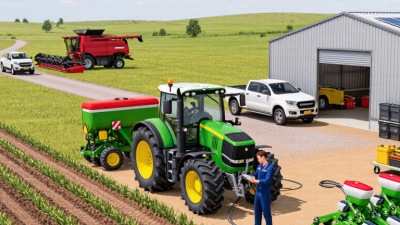
Farm equipment parts should match the work, not just the machine model. A mower working in dry, sandy soil faces different wear than one cutting damp, heavy grass. Before ordering, note the crop, soil, dust, moisture, and typical workload. Dust tells a story.

Check how many hours the equipment runs each week and whether it operates near its rated capacity. A bearing used for long shifts may need different durability than one used occasionally. Compare the part’s dimensions, material, load rating, and compatibility with the equipment manual. Small differences in shaft diameter or mounting-hole spacing can cause vibration, uneven wear, or a poor fit.

Performance needs matter too. A worn belt that slips under load may call for a replacement with the correct tension and heat tolerance, not simply a thicker belt. Keep maintenance notes, including when a part was installed and how it failed. That matters. I used to judge replacements mostly by fit; that missed how mud and long operating hours changed service life. Conditions vary, so treat past results as useful evidence, not a guarantee. When details are uncertain, measure the old part and confirm specifications before installation.

How to Choose the Right Farm Equipment Parts? - Assess Operating Conditions and Performance Requirements
Operating Condition Parts to Assess Relevant Requirements Practical Checks Why It Matters
Stony or abrasive soil Tillage points, shares, discs, scrapers, wear plates Suitable material and hardness; correct working width and mounting pattern Compare dimensions and bolt-hole spacing with the part being replaced. Check for cracks, excessive wear, and loose fasteners. Abrasive soil accelerates wear, while stones can cause impact damage. Incorrect fit can reduce working depth and increase strain.
Wet, muddy, or corrosive conditions Bearings, seals, chains, fasteners, electrical connectors Effective sealing, corrosion resistance, and compatibility with the lubricant and cleaning routine Check seal type, shaft dimensions, bearing arrangement, and connector protection. Follow the equipment manual for lubrication and service intervals. Water and soil ingress can wash out lubricant, promote corrosion, and shorten component life.
Dusty harvesting or field work Air filters, cab filters, engine filters, seals, cooling components Correct filter dimensions and filtration specification; adequate airflow for the application Match the filter to the equipment’s specified part number or documented dimensions and rating. Inspect restriction indicators and sealing surfaces. Dust bypassing a filter can increase engine or system wear. An unsuitable filter may restrict airflow or fail to seal properly.
Heavy or extended daily use Belts, chains, bearings, clutch components, cutting edges Capacity appropriate to the machine’s load, speed, and duty cycle Check the equipment’s service limits, belt or chain dimensions, tension requirements, and scheduled replacement guidance. Long operating hours and sustained loads can increase heat and fatigue, making correct fit and maintenance essential.
Hydraulic attachments and implements Hoses, couplers, cylinders, valves, hydraulic filters Pressure rating, flow capacity, port size, hose length, and fluid compatibility must suit the system Use the machine manual or component markings to verify pressure and connection specifications. Never exceed the lowest-rated component in the circuit. Incorrect hydraulic ratings or connections can cause leaks, poor performance, or hazardous component failure.
Power take-off (PTO) operation PTO shafts, guards, clutches, shear bolts, implement driveline parts Compatible shaft dimensions, operating speed, torque capacity, and guarding Confirm the implement’s required PTO speed and shaft connection against the tractor and implement manuals. Keep guards correctly installed. Speed or connection mismatch can damage equipment and create serious entanglement hazards.
Hot, cold, or changing temperatures Belts, hoses, seals, batteries, lubricants, electrical components Operating-temperature range and material compatibility for the conditions Check the part documentation and fluid specifications. Inspect rubber components for cracking, hardening, swelling, or soft spots. Temperature affects material flexibility, sealing, battery performance, and lubricant behavior.
Precision planting or application Metering components, sensors, nozzles, tips, monitors Required application rate, spacing, calibration range, and electrical compatibility Verify the specified size, output, connector, and calibration procedure. Test and calibrate the system before field operation. Worn or mismatched components can affect seed spacing or application rates and lead to uneven field results.
Selection rule: Confirm fit, ratings, and service requirements using the equipment manual and the existing component’s markings. The correct specifications vary by machine model, attachment, and application; do not rely on appearance alone.

Verify Part Compatibility and Technical Specifications

A replacement part can look nearly identical and still fail to fit. Start with the equipment’s exact model, year, and serial range; similar machines may use different revisions. Then compare the part number with the equipment manual or parts diagram. Check dimensions, mounting-hole spacing, shaft diameter, spline count, and connection type. Small differences matter.

Confirm technical ratings, too. Hydraulic parts need suitable pressure and flow ratings, while electrical components must match voltage, connector style, and polarity. For filters, belts, and bearings, verify material, length, width, or load capacity rather than relying on appearance. A worn original part can be a useful reference, but wear may have changed its shape. It is easy to trust it too much. Measure twice. Record the measurements.

Before ordering, ask the supplier to confirm compatibility against the full equipment details, and request a specification sheet when values are unclear. A common workshop mistake is checking the overall length but missing a recessed shoulder or offset. That can leave a part unable to seat properly. No checklist is perfect; a second person’s review may catch what a rushed glance misses.

Evaluate Material Quality, Standards, and Supplier Reliability

Before ordering a replacement part, compare its material specification with the failed component. Check alloy or polymer grade, hardness, coating thickness, and stated operating limits. For a steel bearing or tine, ask for a material test certificate and batch traceability. Measurements matter too: a small mismatch in hole spacing can cause vibration, uneven wear, or a difficult field repair. Small details matter.

Supplier systems offer useful evidence, but not guarantees. ISO’s 2022 Survey recorded about 1.27 million valid ISO 9001 certificates worldwide. Certification indicates a quality-management system; it does not prove that every part meets your machine’s requirements. Request inspection records, dimensional tolerances, and clear procedures for handling defects. The USDA’s 2022 Census of Agriculture counted about 1.9 million farms in the United States, underscoring how many operations depend on working equipment. That figure says nothing about part failure rates, though. It is context, not proof.

Ask suppliers for realistic lead times, stock status, and written warranty terms. Check whether they can identify a production lot if a component fails, and whether replacement parts match the original specifications. Compare delivery history and response times, not just quoted prices. A polished datasheet can still leave gaps. I would also question vague claims such as “heavy-duty” unless they come with measurable specifications. No checklist removes all uncertainty, but documented materials and candid service records make a more defensible choice.

Compare Total Cost, Availability, and Service Support

A low purchase price can hide expensive delays. Compare the full cost of a part, including freight, taxes, fitting time, and any required seals or hardware. Check the part number against the machine’s model and serial details before ordering. A near match can still mean a second trip to the shop.

Availability matters most when a machine is already down. Ask whether the part is physically in stock, where it ships from, and when it is expected to arrive. “Available” may mean backordered, so request a realistic delivery window. For planned maintenance, a less urgent shipping option may lower costs. Downtime adds up.

Service support can prevent costly guesswork. Find out whether staff can help verify fitment, explain installation requirements, or arrange a return if the part is incorrect. Keep the answers in writing, especially for uncommon components. A spreadsheet helps, but it may miss the cost of a missed workday or a mechanic waiting on site. I would weigh that risk against the price difference, while admitting that delivery estimates are never perfect. Ask specific questions.

How to Choose the Right Farm Equipment Parts?

Compare total cost, availability, and service support before you buy.

Illustrative example: ratings use a 1–5 scale, where 5 is most favorable. Total cost includes purchase price, expected maintenance, and downtime; availability reflects lead time; service support reflects access to technical help and replacement parts. Compare actual quotes and service terms for your equipment and location.