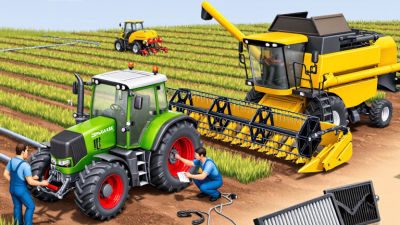
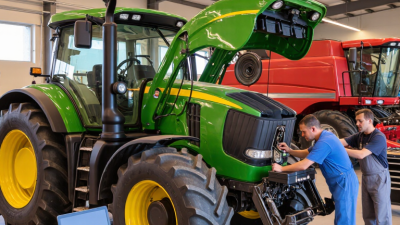
China’s agricultural equipment parts sector serves farms, machinery brands, repair networks, and export markets. Choosing a supplier is not just a price comparison. A worn bearing, cracked hydraulic fitting, or delayed filter can keep a tractor idle during a narrow planting window.
The OECD-FAO Agricultural Outlook 2024–2033 projects global agricultural and fish production to grow by 1.1% annually over the next decade. That outlook does not measure parts demand directly. Still, continued production growth makes dependable maintenance and replacement components important. FAO’s 2022 report, The State of Food and Agriculture, also examines how automation can support productivity while noting that access remains uneven. The practical lesson is clear: parts must fit real operating conditions, not just a catalogue description.
Details matter. Buyers should check material specifications, dimensional tolerances, batch traceability, inspection records, and after-sales support. Ask whether samples match production runs. Confirm lead times for both common wear items and less familiar components. A polished website is not proof of consistent quality. Nor is the lowest quotation always the best value.
There are trade-offs. Some suppliers specialize in high-volume standard components; others handle custom parts or smaller orders. This guide to China’s top 10 agricultural equipment parts suppliers compares capabilities, product range, quality controls, and export experience. Use it as a starting point, then verify each supplier against your machine model and operating needs. One caution: public supplier information can be incomplete, so direct checks remain essential.
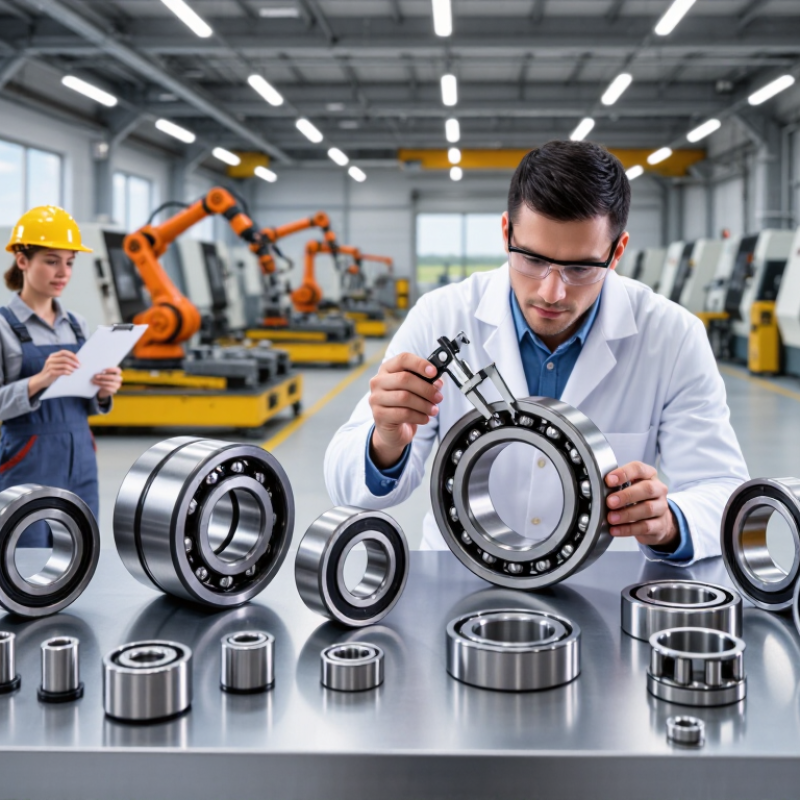
China’s agricultural equipment parts industry serves a wide range of machines, from compact tillers to large harvesters. Suppliers produce components such as gear shafts, hydraulic fittings, filters, cutting blades, and cast housings. A single machine may combine parts made through forging, machining, molding, and heat treatment. Small details matter. A poorly finished shaft can cause vibration, while an inconsistent seal may lead to fluid leakage during long field shifts.
The supplier landscape includes specialized workshops and larger manufacturers with broader production lines. Some focus on replacement parts; others make components to customer drawings or equipment specifications. Buyers often review material certificates, dimensional inspection records, sample parts, and production capacity. These checks help, but paperwork alone cannot show how a part performs after dust, mud, and repeated impact. A field trial can reveal issues that a clean factory sample misses.
China’s manufacturing networks can support varied order sizes and component types, though lead times and quality controls differ between suppliers. Clear drawings help, especially for hole spacing, thread types, and surface treatment. Communication can still be imperfect when specifications use different measurement habits or translated terms. It is worth confirming critical dimensions in writing. Supplier comparisons are not always clean, either; quoted prices may cover different materials, inspections, or packaging. For buyers, consistency across batches often matters more than a low first quote.
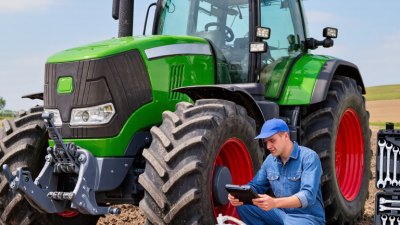
Agricultural equipment parts are easiest to compare by function, not by catalog label. Wear components, such as cultivator sweeps, ploughshares, and mower blades, meet soil, stones, and crop residue directly. Their shape and hardness affect penetration, cutting quality, fuel use, and replacement intervals. A worn sweep may leave uneven furrows; a chipped blade can tear stems instead of cutting cleanly. Small differences matter.
Bearings, seals, belts, chains, and hydraulic fittings keep moving systems aligned and powered. In dusty fields, sealing and lubrication deserve close attention. Check dimensions, load ratings, materials, and machine compatibility before ordering. A part that looks right may still fit poorly.
Seeding and planting parts include opener discs, seed tubes, metering plates, and closing wheels. They control seed placement, spacing, and soil contact. A blocked tube can create skips that are hard to notice before emergence. Irrigation and spraying systems use nozzles, filters, valves, and hoses to manage flow. Matching nozzle output to pressure and crop needs helps prevent uneven coverage. It sounds simple, but field conditions complicate it. Compare drawings, tolerances, material specifications, and service support. Keep the old part or its measurements nearby; supplier descriptions may be incomplete, and “standard” sizes are not always identical. A sample fit check can save time.
A practical crosswalk of common part categories across five equipment types: tractors, combines, planters, sprayers, and balers.
How to read this chart: Values count equipment types in the crosswalk that commonly use each category; they are not supplier rankings, market shares, or sales figures. Applications include power and filtration, motion and transmission, hydraulics, electrical systems, crop handling, and field operations.
Choosing an agricultural parts supplier requires more than comparing unit prices. A low quote means little if a cultivator tine bends after a few hard fields. Check material specifications, heat treatment, dimensions, and stated load limits. Ask for inspection records and batch traceability. Good documentation connects a part number to measurable checks, not vague quality claims. Small details matter. A shaft slightly outside tolerance can cause vibration, uneven wear, and lost working hours. Where possible, compare samples with drawings. Inspect edges, holes, and fit against the original assembly.
When assessing suppliers in China, evaluate supply reliability alongside technical quality. Ask about production lead times, seasonal capacity, minimum order quantities, and urgent replacement procedures. For parts exposed to dust, moisture, and repeated vibration, request relevant test data or clear usage limits. Packaging matters too: loose steel parts can arrive scratched or mixed. Labels should remain readable after storage. Confirm how defects are reported and replacements arranged. A supplier’s response to a difficult question can be revealing. Still, an audit sheet cannot guarantee field performance. Trial a small batch through one working cycle, then record fit issues and failures before expanding orders.
Use this weighted scorecard to compare suppliers consistently. It presents evaluation criteria, not a verified ranking of specific companies. Confirm certificates, test results, and performance records directly with each supplier.
| No. | Evaluation Criterion | Weight | Evidence to Request | What a Strong Result Looks Like |
|---|---|---|---|---|
| 1 | Product and Application Fit | 15% | Part drawings, dimensions, material specifications, compatibility information, and application references. | The supplier can demonstrate that the parts meet the buyer’s specifications and intended operating conditions. |
| 2 | Manufacturing Capability | 12% | Process overview, facility details, equipment list, production capacity, and identification of outsourced processes. | Production processes and capacity are suitable for the required part type, volume, and delivery schedule. |
| 3 | Quality Management | 15% | Current quality-management certificates, inspection procedures, nonconformance records, and corrective-action examples. | A documented quality system is supported by consistent inspection records and a clear process for resolving defects. |
| 4 | Material Traceability | 10% | Material certificates, supplier records, batch or lot identification, and sample traceability documents. | Materials can be linked to relevant production batches and supporting records. |
| 5 | Testing and Validation | 10% | Inspection reports, test methods, calibration records, and product-specific performance or durability results. | Tests are relevant to the part’s function, acceptance criteria, and expected service conditions. |
| 6 | Regulatory and Export Documentation | 10% | Declarations, certificates, labeling details, and export documents applicable to the product and destination market. | Documents are current, consistent with the products supplied, and appropriate for the buyer’s destination-market requirements. |
| 7 | Delivery Reliability | 10% | Recent on-time delivery records, lead-time estimates, capacity planning, and disruption-response procedures. | Lead times are clearly defined and supported by verifiable delivery data and a practical continuity plan. |
| 8 | Engineering and Customization Support | 7% | Drawing review process, sample-development steps, engineering response times, and change-control procedures. | Technical questions and design changes are handled through a documented, traceable process. |
| 9 | After-Sales and Warranty Handling | 6% | Written warranty terms, complaint-response process, replacement or repair policy, and escalation contacts. | Responsibilities and response steps are clear, documented, and agreed before purchase. |
| 10 | Commercial Transparency | 5% | Itemized quotations, payment terms, minimum order quantities, packaging costs, and written change terms. | Pricing and contractual conditions are complete, consistent, and provided in writing. |
| Total Weight | 100% | Use the same evidence requirements and scoring method for every supplier under review. | ||
Suggested scoring: Rate each criterion from 1 (insufficient evidence) to 5 (strong, verified evidence), multiply the rating by its weight, and compare the weighted totals. Verify critical claims independently before placing an order.
China’s agricultural equipment parts suppliers differ in what they make and how they support buyers. These ten profiles describe useful supplier capabilities, not a verified ranking. A casting specialist may produce plough frames and housings, where clean edges and consistent dimensions matter. A transmission-parts supplier focuses on gears, shafts, and wear resistance. Fit matters. Hydraulic-component makers provide cylinders, valves, or fittings; request pressure-test records before ordering.
A bearing supplier serves rotating assemblies and should explain sealing options for dusty field conditions. A cutting-part maker produces blades and tines, where material hardness affects service life. Filter suppliers need to specify dimensions and filtration ratings clearly. An electrical-parts supplier may offer harnesses, switches, or sensors, so connector details deserve close checking. Small mismatches cause delays.
Other profiles include rubber-track and wheel-component producers, precision-machining workshops, and custom-part manufacturers working from drawings or samples. Their strengths can vary by production volume and quality-control process. Ask how they inspect batches, manage material changes, and handle replacement-part requests. One sample is not proof of steady consistency. Compare technical documents with physical measurements, and keep expectations realistic: a capable supplier may still need clear drawings and practical feedback.
China Top 10 Agricultural Equipment Parts Suppliers: Sourcing, Quality Assurance, and Supplier Support
Comparing agricultural equipment parts suppliers in China takes more than reviewing product lists. Match each supplier’s capabilities to the part’s material, dimensions, and working conditions. For example, a drawing for a tractor linkage should specify hole spacing, finish, and load requirements. Ask for current production capacity, lead times, and inspection records. Clear answers matter. A polished catalog is not proof of consistent manufacturing. Request a sample and compare it with the approved drawing before placing a larger order.
Quality assurance should be agreed upon before production begins. Define measurable tolerances, material requirements, and checks for critical features. For a machined part, this might include diameter measurements and a visual inspection for burrs. Ask how defects are recorded and how corrective actions are verified. Remote checks can help, but they do not replace clear acceptance criteria. I still find communication gaps easy to underestimate; even a small change in a drawing can cause delays or mismatched parts.
Tips: Keep one approved drawing version, confirm packaging and labeling, and record inspection results. Ask who handles technical questions after delivery. A useful supplier support process should include a named contact, realistic response times, and a clear route for resolving quality concerns.