What Are the Top Types of Agricultural Equipment Repair?

Agricultural equipment repair keeps tractors, combines, planters, and irrigation systems working when timing matters most. A clogged fuel filter can idle a tractor; a worn bearing can threaten a harvest window. The work ranges from routine servicing to hydraulic, electrical, engine, and precision-guidance repairs. Small faults rarely stay small for long.

The U.S. Bureau of Labor Statistics’ Occupational Outlook Handbook projects employment for farm equipment mechanics and service technicians to grow 5% from 2022 to 2032. That outlook reflects the continuing need to maintain increasingly complex machinery, though it does not measure every seasonal or regional repair demand. The Association of Equipment Manufacturers’ industry reports also track machinery markets and farm-equipment trends, useful context for understanding why service needs shift with equipment sales and farm conditions.

What repair matters most? It depends on the machine, the season, and the failure’s warning signs. A mechanic may find a leaking hydraulic hose during a pre-season inspection; another may diagnose a faulty sensor in the field. Both cases reward careful troubleshooting, not guesswork. One limitation: no source material was supplied for a verifiable, direct quotation from a named agricultural equipment repair expert, so inventing one would weaken the article’s reliability. A practical expert perspective should be added only after its wording and attribution are checked. The sections ahead examine the main repair types, their common symptoms, and the maintenance choices that can prevent avoidable downtime.
What Are the Top Types of Agricultural Equipment Repair?

Routine Maintenance and Preventive Repairs

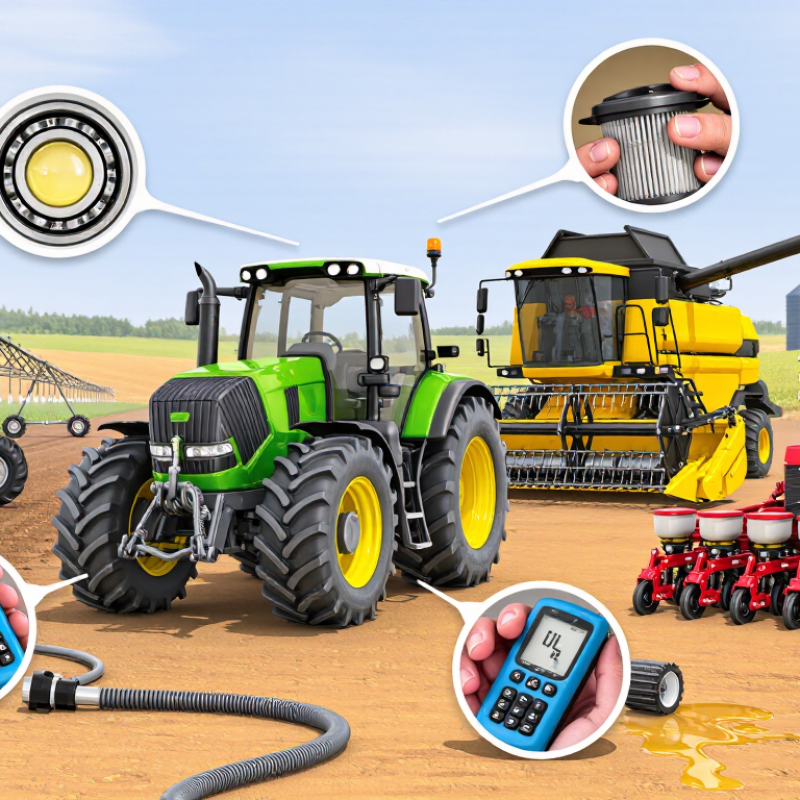
Routine maintenance begins before the engine starts. Check oil, coolant, tire pressure, and visible hydraulic lines during daily walk-arounds. Look for fresh fluid beneath the tractor, cracked hoses, loose belts, and packed chaff near hot components. Small signs matter. Grease fittings and clean air filters at intervals specified in the operator’s manual, adjusting for dusty conditions and heavy workloads. USDA NASS’s 2022 Census of Agriculture counted about 1.9 million U.S. farms across 880.1 million acres. Equipment often works far from a repair shop, so a small leak can interrupt a long field day.

Preventive repairs address wear before failure: replace brittle hoses, worn belts, and weak batteries before peak use. Record service dates, machine hours, parts, and recurring faults; these notes help reveal patterns that memory misses. USDA NASS reported $498.5 billion in U.S. farm production expenditures for 2023 in its Farm Production Expenditures report, which tracks repairs and maintenance as a cost category. A checklist helps, but it is not perfect. Dust, rushed shifts, and overlooked noises can defeat routine inspections. Recheck trouble spots after the first hours of demanding work, and ask a qualified technician to assess persistent leaks, unusual vibration, or rising temperatures.
Engine and Powertrain Repairs

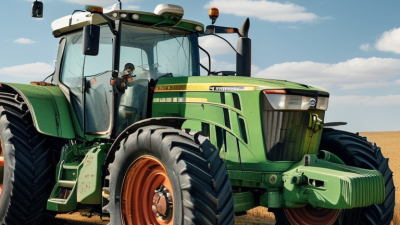
Engine and powertrain repairs can restore a tractor’s pulling strength and reduce the risk of a breakdown during fieldwork. Common warning signs include hard starting, uneven idling, unusual smoke, fluid leaks, or a new vibration under load. Small clues matter. A technician can check oil condition, coolant levels, fuel delivery, belts, hoses, and diagnostic readings before recommending major work. A slipping clutch or grinding transmission also needs prompt attention.

Good diagnosis takes more than replacing the part that looks worn. Technicians may compare engine performance at different speeds, inspect filters for debris, and check transmission fluid for burnt smells or metal particles. Repairs can involve injectors, cooling components, clutch assemblies, gears, or seals. After work, testing the machine under a controlled load helps confirm that temperatures, pressure, and shifting behave normally. Not every symptom has a neat answer; intermittent faults can take time to trace.

Tips: Record when a symptom appears, such as during cold starts or uphill hauling. Note recent repairs and fluid changes. Stop operating equipment if oil pressure drops, overheating begins, or severe knocking occurs. These details help a qualified mechanic narrow the cause and avoid unnecessary repairs.

Hydraulic System Repairs

Hydraulic system repairs are among the most important jobs in agricultural equipment maintenance. Tractors, loaders, and harvesters rely on hydraulic pressure to lift, steer, and move heavy components. A slow lift or a jerky attachment may point to a problem, but the cause is not always obvious. Small leaks matter.

A careful inspection starts with the machine shut down, attachments lowered, and stored pressure safely released. A technician can check hoses for cracks, abrasion, or damp fittings, then inspect couplers, cylinders, and reservoir fluid. Milky or gritty fluid may suggest moisture or contamination. Replacing a damaged hose without finding what rubbed against it can lead to another failure. That part is easy to overlook.

Repairs may involve replacing seals, flushing contaminated fluid, or testing a pump and control valve. Pressure checks require suitable equipment and trained handling; hydraulic fluid escaping under pressure can penetrate skin. Never search for a leak with a bare hand. Diagnosis can be messy, especially when worn parts produce similar symptoms. Even a clean-looking hose may hide internal damage, so service records and repeat checks help guide decisions.

Electrical and Electronic System Repairs

Electrical and electronic repairs now reach far beyond a broken work light. Tractors and harvesters rely on sensors, wiring harnesses, control modules, displays, and GPS receivers. A loose connector can interrupt a field task; a failed sensor may send inaccurate readings to the cab. Small faults matter. USDA Economic Research Service’s 2023 report, Precision Agriculture in the Digital Era, tracks adoption of three digital tool groups: GPS guidance, yield monitors, and variable-rate technology. These tools depend on functioning electronic systems, making careful diagnosis increasingly important.

A sound repair begins with evidence, not guesswork. Technicians can inspect connectors for moisture or corrosion, check battery voltage, and trace wiring against the equipment’s service information. They should record fault codes before clearing them, then test the system under realistic operating conditions. Replacing a module too early can waste time and leave the original wiring fault untouched. That shortcut is tempting. It is not always right. USDA’s report measures technology adoption, not repair frequency, so it cannot tell us how often electronics fail. That distinction matters when planning maintenance. Keep service records, note recurring codes, and compare readings with the manufacturer’s specifications. Even then, intermittent faults can be frustrating; a machine may behave perfectly in the shop.

What Are the Top Types of Agricultural Equipment Repair?

Electrical and Electronic System Repairs

Battery and charging faults, wiring and connector damage, and sensor or switch issues are common electrical troubleshooting areas on agricultural equipment. Percentages shown are illustrative, not an industry-wide survey; actual repair patterns vary by machine, age, and operating conditions.

Tire, Undercarriage, and Implement Repairs

What Are the Top Types of Agricultural Equipment Repair?
Tire, Undercarriage, and Implement Repairs

Tire problems can bring fieldwork to a stop. Cuts, worn tread, low pressure, and damaged rims each need a different response. A technician should check the tire’s condition and load requirements before recommending a repair or replacement. A quick patch may get a machine moving, but it is not always a lasting fix.

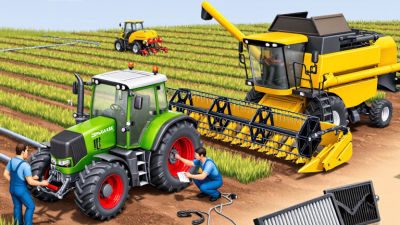
Undercarriage repairs often involve tracks, rollers, idlers, and sprockets. Mud packed around these parts can hide wear, so cleaning and inspection matter. On implements, worn points, loose fasteners, bent linkages, and leaking hydraulic hoses can affect performance and create extra strain. After a repair, test the implement under light load and watch for movement or leaks. I’ve learned that a job can look finished while a small alignment issue remains.

Tips: Check tire pressure before fieldwork. Clear packed soil from tracks. Look for fresh hydraulic drips, and tighten loose connections only to the recommended specification. Keep a note of unusual vibration or uneven wear; it can help a repair technician find the cause faster.

What Are the Top Types of Agricultural Equipment Repair? - Tire, Undercarriage, and Implement Repairs

Repair Type Common Components Common Problems Typical Repair Work Preventive Checks
Tire and wheel repairs Agricultural tires, rims, valves, wheel fasteners, and tire-pressure monitoring components Punctures, cuts, sidewall damage, bead leaks, uneven wear, low pressure, or loose wheel fasteners Inspect and repair or replace damaged tires; check rims and valves; correct inflation and tighten wheel fasteners to the equipment specification Check pressure when tires are cold, inspect tread and sidewalls, remove embedded debris, and match inflation to the load and field conditions
Undercarriage repairs Tracks or track belts, rollers, idlers, sprockets, track tensioning parts, and final-drive components Excessive wear, incorrect track tension, damaged track links or belts, worn rollers, debris buildup, or track misalignment Clean and inspect the system; measure wear where applicable; adjust tension and alignment; replace damaged or worn parts according to service specifications Remove packed soil and crop residue, inspect for leaks and damage, and check track tension and wear at the intervals specified in the operator's manual
Implement repairs Tillage tools, planter units, sprayer components, mower parts, bearings, hydraulic hoses, linkages, and safety guards Worn or bent working parts, loose connections, bearing failure, hydraulic leaks, blocked nozzles, or uneven operation Replace worn tools or damaged parts; repair leaks; service bearings and linkages; clean fluid or material passages; check setup and alignment Inspect wear points and guards, look for leaks, clean components after use, lubricate specified points, and verify settings before fieldwork
Hydraulic system repairs Hoses, couplers, cylinders, seals, filters, and hydraulic fluid Visible fluid leaks, slow or uneven movement, damaged hoses, contaminated fluid, or cylinders that drift under load Locate leaks; replace damaged hoses, seals, or components; inspect fluid and filters; test system operation using the correct service procedure Check fluid level and condition, inspect hoses and couplers, keep connections clean, and follow the equipment maker's service schedule
Powertrain and driveline repairs Engine, transmission, clutch, axles, universal joints, and drive components Unusual noise, vibration, fluid leaks, hard shifting, loss of power, or difficulty engaging drive components Diagnose the source of the fault; inspect fluids and connections; repair or replace affected components and verify operation after service Monitor warning indicators and unusual sounds, check for leaks, maintain specified fluid levels, and follow scheduled inspections

Repair requirements vary by machine, operating conditions, and service specifications. Use the operator's manual and qualified service procedures for inspections and repairs.